The short answer: You can introduce baby sensory toys from day one (0 months). Newborns do not require complex interactive devices; their sensory development begins with simple visual and acoustic tools, progressing to tactile, chewable, and motor-skill toys around 3 to 6 months as hand-to-eye coordination emerges.
Sensory Development Timeline by Age Group
Matching the right sensory toy to a baby's developmental stage prevents overstimulation and maximizes developmental benefits. For retail buyers and consumers, aligning inventory or purchasing decisions with age milestones ensures both safety and high customer satisfaction.
| Age Stage |
Primary Sensory Focus |
Recommended Toy Types |
Key Safety & Feature Criteria |
| 0 – 3 Months |
Visual contrast & Auditory tracking |
High-contrast cards, soft rattles, gentle floor mirrors |
Soft fabric, lightweight, bold black-and-white patterns |
| 3 – 6 Months |
Tactile exploration & Teething relief |
Textured silicone teethers, sensory balls, play mats |
100% food-grade silicone, BPA-free, easy-grip shapes |
| 6 – 12 Months |
Fine motor skills & Cause-and-effect |
Stacking cups, suction toys, soft sensory blocks |
Dishwasher-safe, impact-resistant, multi-texture surfaces |
| 12+ Months |
Spatial awareness & Problem-solving |
Shape sorters, busy boards, tactile puzzles |
Non-toxic, highly durable construction, seamless edges |
What Shoppers & Sourcing Buyers Look For
Whether buying for home use or sourcing inventory for a retail brand, three core factors determine the quality of sensory toys:
-
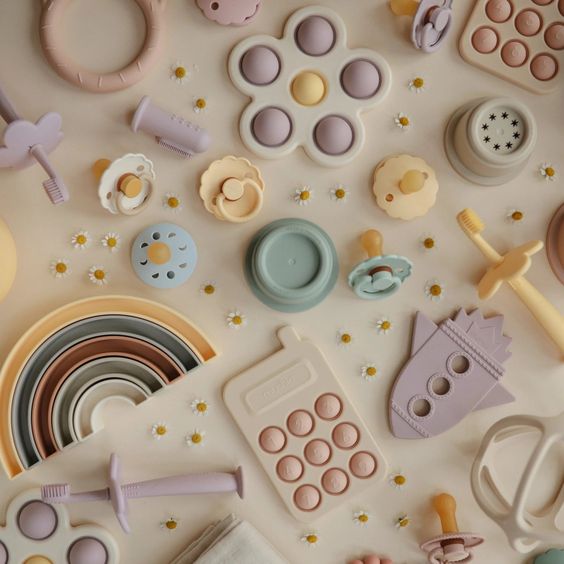
Material Safety: Infants explore objects with their mouths. Toys must be strictly non-toxic, free from BPA, phthalates, and heavy metals. Soft, food-grade silicone and hypoallergenic fabrics are the market standard.
-
Hygienic Cleaning: Parents prefer low-maintenance items. Materials that are dishwasher-safe, boilable, or easily wiped clean prevent bacteria build-up.
-
Global Safety Compliance: Bulk buyers and importers should verify that products comply with recognized safety standards, such as CPC (Children’s Product Certificate), FDA, and LFGB test reports.
Frequently Asked Questions (FAQ)
Can a newborn become overstimulated by sensory toys?
Yes. Newborns can become overwhelmed by flashing lights or loud sound effects. During the first three months, stick to low-decibel rattles, soft textures, and high-contrast visual cards.
Why are silicone sensory toys popular for babies aged 3 to 6 months?
Around 3 to 4 months, infants develop hand-to-mouth coordination and begin teething. Food-grade silicone offers a soft, flexible texture that soothes sensitive gums while delivering safe tactile feedback.
How do sensory toys support early child development?
Sensory stimulation strengthens neural connections in a developing brain. These toys build fine and gross motor skills, enhance hand-eye coordination, and encourage spatial curiosity.


