The Quick Answer: Yes, baby sensory play is crucial for infant development. Clinical research shows that 80% of brain architecture is formed in the first three years of life, largely driven by everyday sensory experiences. Sensory play accelerates neural connection formation, develops fine motor skills, supports language development, and helps infants self-soothe.
For parents, sensory play is an essential daily activity. for retail buyers and brands, high-safety sensory products—particularly textured, food-grade silicone teethers and tactile toys—represent one of the fastest-growing segments in the global infant care market.
Why Sensory Play Matters: Key Developmental Benefits
Sensory play engages a baby's senses—touch, sight, sound, taste, smell, balance, and spatial awareness—to help their nervous system build neural pathways.
-
Accelerates Brain Development: Every time a baby feels a textured surface, grasps a soft toy, or mouths a safe shape, thousands of brain connections (synapses) fire and strengthen.
-
Builds Fine Motor & Oral-Motor Skills: Squeezing, grabbing, and mouthing textured items build hand-eye coordination and strengthen jaw muscles essential for speech and solid food transition.
-
Promotes Self-Soothing & Emotional Balance: Tactile stimulation—like chewing on flexible, textured surfaces—provides proprioceptive feedback that naturally lowers cortisol (stress) levels in infants.
-
Encourages Independent Exploration: Simple, cause-and-effect sensory items build cognitive curiosity without overstimulating young minds.
Sensory Toy Comparison: Standard Plastic vs. Plush vs. Food-Grade Silicone
Whether you are shopping for your baby or sourcing products for your brand, choosing the right material directly impacts safety, hygiene, and sensory value.
| Feature / Criteria |
Standard Hard Plastic Toys |
Fabric & Plush Sensory Toys |
Food-Grade Silicone Sensory Toys |
| Sensory Texture Variety |
Limited (Smooth, rigid surfaces) |
High (Soft, fuzzy, crinkly) |
Exceptional (Flexible ridges, bumps, varying densities) |
| Safety & Non-Toxicity |
Risk of phthalates, BPA, or hard edge impacts |
Safe, but traps dust, drool, and allergens |
100% Non-Toxic, BPA/PVC/Phthalate-Free, soft on gums |
| Hygiene & Cleaning |
Surface wipe only; water can trap inside |
Requires frequent machine washing; slow drying |
Boilable, dishwasher-safe, mold-resistant seamless design |
| Teething Relief |
Too hard; can bruise tender gums |
Absorbs drool; poor resistance for sore gums |
Perfect chew resistance; cools quickly in fridge |
| B2B / Retail Demand |
Declining due to eco & safety concerns |
Steady for gifting & nursery decor |
Surging (Top performer in global baby play category) |
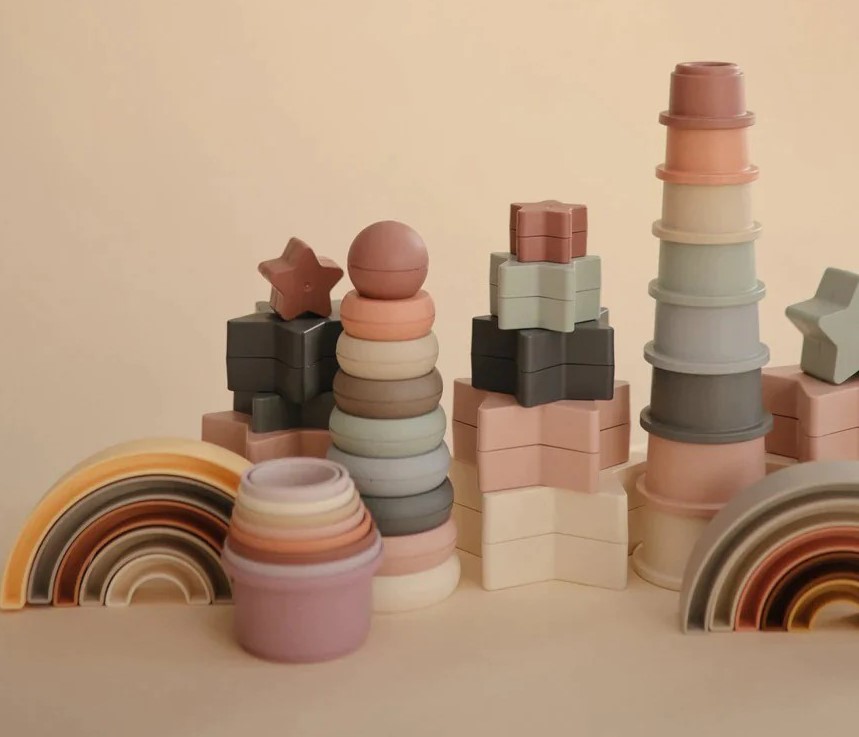
What Parents & Buyers Should Look For in Sensory Toys
-
Seamless, Non-Porous Design: Avoid toys with hidden air holes or internal cavities where moisture can build up mold.
-
Multi-Textured Surfaces: Look for items with varied surface patterns (ridges, raised dots, soft nubs) to stimulate both tactile receptors in the hands and oral sensors during teething.
-
Easy Maintenance: Choose materials that can withstand high-temperature sterilization (boiling water or dishwashers) for quick, reliable cleaning.
-
Ergonomic Grasping Shapes: Ensure rings, handles, or contouring fit tiny hands (0–12 months) easily to prevent frustration.
Frequently Asked Questions (FAQ)
1. At what age should sensory play start?
Sensory play starts from birth. Newborns benefit from visual contrast (black and white cards) and soft skin contact. By 3 to 6 months, tactile sensory toys, mouthing items, and graspable teethers become essential as babies begin actively exploring with their hands and mouths.
2. Can sensory toys cause overstimulation?
Yes, if a toy has flashing lights, loud electronic noises, and multiple battery-operated features at once. Simple, non-electronic sensory toys (like silicone teething rings, crinkle books, or simple water mats) provide calm, focused sensory engagement without overstimulating the nervous system.
3. Why are silicone sensory teethers and toys trending so heavily in retail?
Modern shoppers prioritize non-toxic materials, durability, and easy hygiene. Food-grade silicone offers soft safety for oral exploration, exceptional heat resistance for easy sterilization, and high durability—making it a top pick for both parents and OEM/ODM buyers.


