As your baby enters the exploratory years of their second year, saying goodbye to bottles and learning to drink independently is an important step in their development. Choosing the right cup not only protects your baby's delicate oral development but also makes drinking easy and fun! Today, let's discuss suitable water bottles for 2-year-olds. Soft and safe silicone cups are especially recommended.
Critical period for oral development: Over-reliance on bottles or improper sucking techniques can affect tooth alignment and jaw development. The right cup encourages proper swallowing.
Skill development needs: Babies need to practice grasping, hand-eye coordination, and learning to sip or suck, developing fine motor skills and independence.
Safety and hygiene: The material must be absolutely safe and non-toxic, and the design must be easy to clean thoroughly to prevent bacterial growth.
Super Soft and Safe: Food-grade silicone feels close to the skin, so even if your baby accidentally drops or knocks the cup, it won't hurt them or their teeth. Chewing is also safe (which many babies do), and the material itself is safe and non-toxic, containing no harmful substances like BPA.
Durable and Shatterproof: Silicone is extremely resilient and very resistant to drops, making it an ideal choice for active babies.
High Temperature Resistance: It can usually withstand high-temperature sterilization (always check the product instructions before use), allowing for thorough cleaning and sterilization.
Sealed and Leak-Proof: Well-designed silicone cups (such as silicone sippy cups and silicone training cups) typically feature a leak-proof valve, preventing leaks even if your baby shakes or turns it upside down, reducing cleaning hassles.
Common Types: Silicone sippy cups, silicone training cups with two handles (with a silicone body or rim), and all-silicone squeeze cups.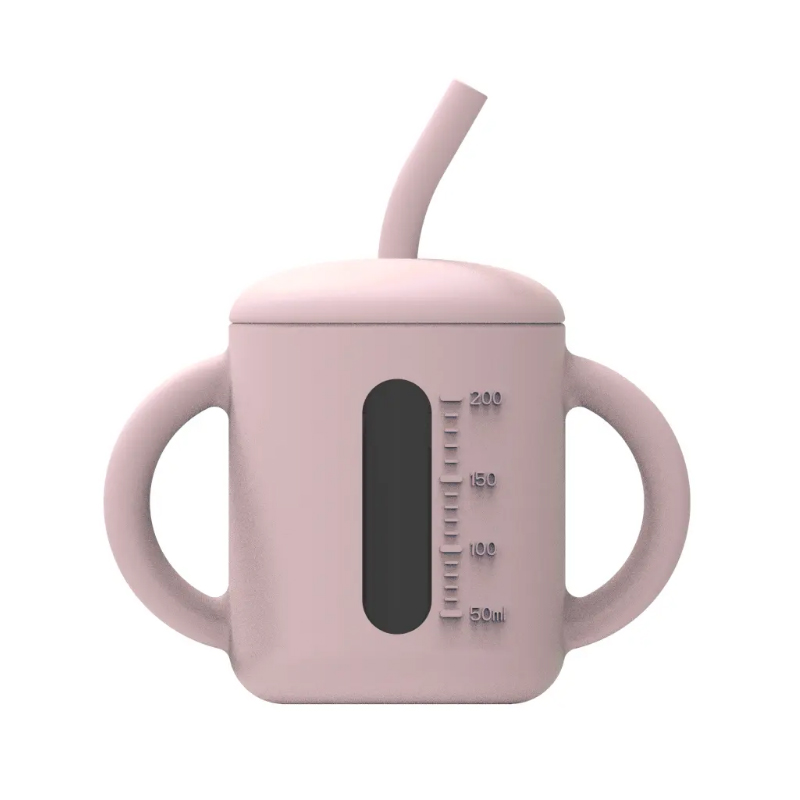
Lightweight and shatterproof: Lightweight, easy for babies to grip and resistant to breakage.Extremely sturdy and durable.
Safe choice: Choose products clearly labeled "food-grade PP" and "BPA-free." High transparency makes it easy to see the water level and cleanliness.
Key points: Ensure the material is pure and odorless, and the construction is simple, with no dead corners and easy to clean.
Keep warm or cool: Stainless steel liner water bottle (with straw or for drinking directly).Suitable for use on the go or when specific temperature requirements are required.
Note: The cup body may be heavy, so make sure the straw and other accessories are made of safe materials (such as food-grade silicone straws) and have a leak-proof design. Avoid overheating to prevent burns.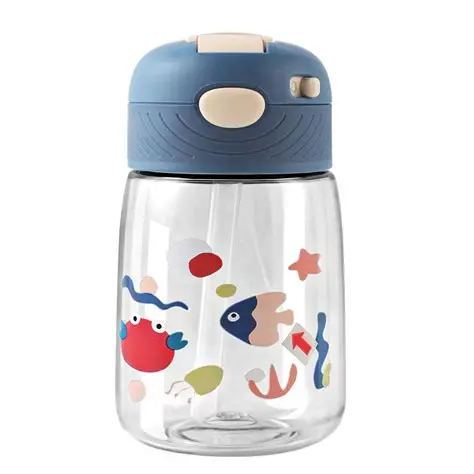
Practical tips for choosing a water bottle for a 2-year-old:
Prioritize leak-proof design,babies at this age are not yet stable enough to hold a cup, and leak-proof design can save you a lot of cleanup. Silicone straw cups are generally excellent in this regard.
Focus on the spout/rim design:
Straw cups: Choose a soft silicone spout to protect baby's gums. V-shaped or cross-shaped straws are better for leak and choking prevention. Make sure the straw is the right length for easy sucking.
Open-mouth cups: If your baby is ready to try an open-mouth cup, choose a cup with a wide mouth, a low profile, handles, or a non-slip design (silicone training cups or PP plastic cups) to make it easier for your baby to grip and position the cup. The cup should not be too large.
Easy grip is essential: The cup body should be easy for your baby's little hands to grasp. Handles, a narrow waist with non-slip ridges, or a soft silicone body all provide a good grip.
Easy disassembly and cleaning are crucial: Choose a cup with a simple structure that can be completely disassembled for cleaning (especially the straw, seal, and lid) to eliminate unsafe areas. Silicone is generally easy to clean and disinfect.
Involve your baby in the selection process: Bring your baby along when choosing, or provide several safe options for them to choose from. Cups printed with their favorite patterns or colors (especially cute silicone ones) can further stimulate their interest in drinking.
Introduction Order: Start with a sippy cup or sippy cup (silicone straw cups are a great starting point), gradually transitioning to an open cup. Two years old is a good time to introduce open cup practice, and small amounts can be tried under parental supervision.
Be Patient: Learning to drink from a cup takes time and practice, and spilling water is an inevitable process. Offer more encouragement and less scolding.
Cleaning and Sterilization: Regardless of the material, always clean thoroughly after use and sterilize regularly according to the instructions (boiling, steaming, or using a UV sterilizer). Silicone is generally heat-resistant.
Inspection and Replacement: Regularly inspect consumable parts like straws and seals for signs of aging, cracking, discoloration, or odor, and replace them promptly to ensure safety and hygiene. Silicone straws and seals also require regular replacement.
Summary: When choosing a drinking cup for a two-year-old, safety, leak-proofing, grip, and cleanliness are key. Among the many materials available, food-grade silicone is an ideal choice due to its softness, safety, durability, leak resistance, and ease of sterilization. It's particularly suitable for sippy cups or training cups. Qualified PP plastic cups and stainless steel thermoses are also good options.
Observe your baby's needs and developmental stage to choose the most appropriate cup type (either a sippy cup or an open cup), and ensure the material is safe and reliable. A cup that your baby loves and fits perfectly can make the process of learning to drink independently fun and rewarding. Every small attempt is a solid step towards independence, and your warm gaze will be your child's best companion.


