A Data-Backed Guide for Everyday Shoppers & B2B Wholesale Buyers
The Quick Answer: The safest, most non-toxic plate materials are Clear Tempered Glass, 304 Food-Grade Stainless Steel, 100% Food-Grade (Platinum-Cured) Silicone, and Certified Lead-Free Porcelain/Stoneware. These materials are chemically stable and free from heavy metals (lead, cadmium), BPA, BPS, phthalates, and synthetic chemical leaching under high heat or acidic conditions.
Quick Comparison: Safest Non-Toxic Plate Materials
|
Material |
Safety Rating |
Everyday Shopper Appeal |
B2B & Wholesale Value |
Key Consideration |
|---|---|---|---|---|
|
Clear Tempered Glass |
10 / 10 |
100% non-porous, clear, zero decorative glazes or dyes. |
Highly stackable, space-saving, low return rate. |
Non-tempered glass may break under thermal shock. |
|
304 Stainless Steel |
10 / 10 |
Unbreakable, rust-proof, ideal for toddlers & outdoors. |
Zero replacement cost for institutional dining & schools. |
Cannot be used in microwaves. |
|
Food-Grade Silicone |
9.5 / 10 |
Shatterproof, suction bases, microwave/oven/freezer safe. |
High-margin category for nursery, kitchen & pet supply. |
Must verify 100% platinum cure; avoid cheap plastic fillers. |
|
Lead-Free Porcelain |
9.5 / 10 |
Classic elegance, scratch-resistant, microwave & dishwasher safe. |
Hospitality gold standard, high retail demand. |
Verify lead/cadmium compliance on antique or decorative glazes. |
|
Sugarcane Bagasse |
8.5 / 10 |
Biodegradable, plant-based eco-disposable. |
Ideal for sustainable catering, events, and takeout. |
Ensure PFAS-free certification from manufacturer. |
Detailed Breakdown of Top Non-Toxic Materials
Top Universal Pick 1. Clear Tempered Glass & Glass-Ceramic
Chemical Profile: Pure clear glass consists of fused silica sand and inert mineral oxides. Because transparent glass requires no glazes, paints, or synthetic binders, there is zero risk of lead, cadmium, or microplastic contamination.
For Shoppers: Look for clear tempered glass (e.g., Duralex) or thermally bonded glass-ceramic (e.g., Corelle Vitrelle). They are lightweight, non-porous, and scratch-resistant.
For B2B Buyers: Glass plates offer low shipping volume per unit and long inventory shelf-life without chemical degradation over time.
Zero Breakage Pick 2. Food-Grade 304 Stainless Steel (18/8 Alloy)
Chemical Profile: High-grade 18/8 stainless steel is completely free of chemical linings, glazes, and plastics. It resists corrosion from acidic foods like tomatoes and citrus.
For Shoppers: Ideal for toddlers, camping, patio dining, and prep work. Extremely easy to clean and sanitize.
For B2B Buyers: Near-zero breakage loss makes stainless steel the most cost-efficient material for school cafeterias, outdoor resorts, and commercial catering.
Modern & Versatile Pick 3. Food-Grade & Platinum-Cured Silicone
Chemical Profile: Derived from silica (silicon element found in natural sand), high-quality silicone is non-porous, hypoallergenic, and chemically stable. It contains zero BPA, BPS, PVC, phthalates, lead, or latex. It tolerates extreme temperatures ranging from -40°F (-40°C) up to 446°F (230°C).
For Shoppers: Silicone plates are flexible, unbreakable, and noise-free. They often feature built-in suction bottoms for toddler mealtime and seamlessly transition from freezer to microwave or oven.
For B2B Buyers: Silicone is an extraordinarily high-margin product category across infant/child feeding, pet feeding, and modern kitchenware. Lightweight shipping reduces freight costs, while custom molding (OEM/ODM) enables rapid branding and color customization.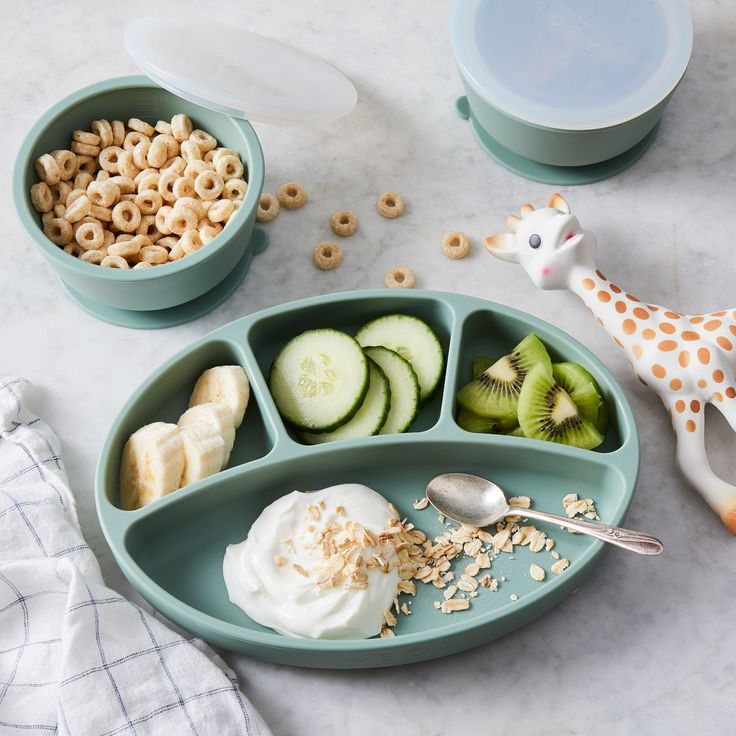
Commercial Classic 4. Certified Lead-Free Porcelain & High-Fired Stoneware
Chemical Profile: Fired at ultra-high temperatures (2,200°F–2,400°F), porcelain clay fuses into a dense, vitrified matrix. When sealed with an un-pigmented or lead-free clear glaze, it forms a impermeable, food-safe barrier.
For Shoppers: Select bright white or clear-glazed porcelain from brands that publish California Prop 65 or FDA lab test results.
For B2B Buyers: Vitrified porcelain provides thermal insulation and cutlery scratch resistance, making it the industry staple for restaurants and hotels.
Red Flags: Materials & Formulations to Avoid
1. Bamboo Fiber Composites with Melamine Resin: While 100% solid natural wood/bamboo is non-toxic, molded "bamboo powder" plates rely on melamine-formaldehyde resins as binding glues. Under heat or acidic conditions, formaldehyde and melamine leach into food.
2. Vintage or Hand-Painted Glazed Ceramics: Antique ceramics or artisan glazes from unverified sources frequently use lead and cadmium compounds to brighten colors. Acidic liquids can leach heavy metals into meals.
3. Scratched Plastic & Polycarbonate Plates: Heating or cutting on plastic plates creates micro-grooves that shed microplastics and trigger phthalate or bisphenol release over time.
Frequently Asked Questions (FAQ)
Q4: What certifications should B2B procurement managers request from suppliers?
Wholesale buyers should request third-party lab test reports (from SGS, TÜV, or Intertek) demonstrating compliance with FDA 21 CFR 177.2600 (for silicone/rubber), California Proposition 65 (heavy metal limits), and German LFGB food contact safety tests.


