No, you should never leave a teething necklace on a baby at night or during naps. Major pediatric health organizations, including the American Academy of Pediatrics (AAP) and the U.S. Food and Drug Administration (FDA), strictly warn against letting infants wear any form of teething jewelry while sleeping or unsupervised. Teething necklaces—whether made of amber, wood, or silicone beads—pose severe, life-threatening risks of strangulation and choking if the cord wraps around the child's neck or if the beads break apart.
For safe overnight teething relief, rely on pediatrician-approved alternatives such as firm, single-piece food-grade silicone teething toys (used under supervision before bed) or a clean, chilled damp washcloth.
While teething jewelry is often marketed as a convenient holistic remedy, nighttime use significantly increases safety hazards. When a baby is left unsupervised in a crib, two primary risks emerge:
Strangulation Hazards: A necklace can easily catch on crib corners, pacifier clips, or the baby's own limbs during sleep. If the baby rolls over, the friction or tension can tighten the necklace around their airway.
Choking Hazards: Many teething necklaces consist of individual beads strung together. If the string snaps due to wear, pressure, or chewing, the loose beads can easily be swallowed or inhaled into the lungs.
Data Insight: The FDA issued an official safety communication highlighting reports of serious injuries and death associated with teething jewelry, explicitly citing cases of strangulation and choking during sleep. Health agencies emphasize that no material—even natural amber or soft silicone—is exempt from these physical structural risks when worn as a necklace during sleep.
When choosing how to soothe your baby's gums before bedtime, prioritizing design safety is crucial. Below is a comparative look at common teething solutions:
| Teething Method | Overnight Safe? | Primary Risks | Best Practice / Safe Usage |
| Teething Necklaces (Amber, Wood, Beads) | ❌ NO | High risk of strangulation and choking from broken beads or cords. | Never wear while sleeping. Must be completely removed before any nap or bedtime. |
| Solid, Single-Piece Silicone Teethers | ⚠️ Partial | Safe during waking hours; should still be removed from the crib once the baby falls asleep. | Choose 100% food-grade, BPA-free silicone with a single-mold design (no parts that can break off). |
| Chilled Damp Washcloth | ✔️ YES (Before Bed) | Minimal risk if used to massage gums before sleep; do not leave a soaking wet cloth in the crib. | Cool a clean, damp cloth in the refrigerator. Let the baby chew on it under supervision before laying them down. |
| Gum Massage | ✔️ YES | None. | Use a clean finger or a soft, silicone finger brush to gently massage the baby's sore gums right before bedtime. |
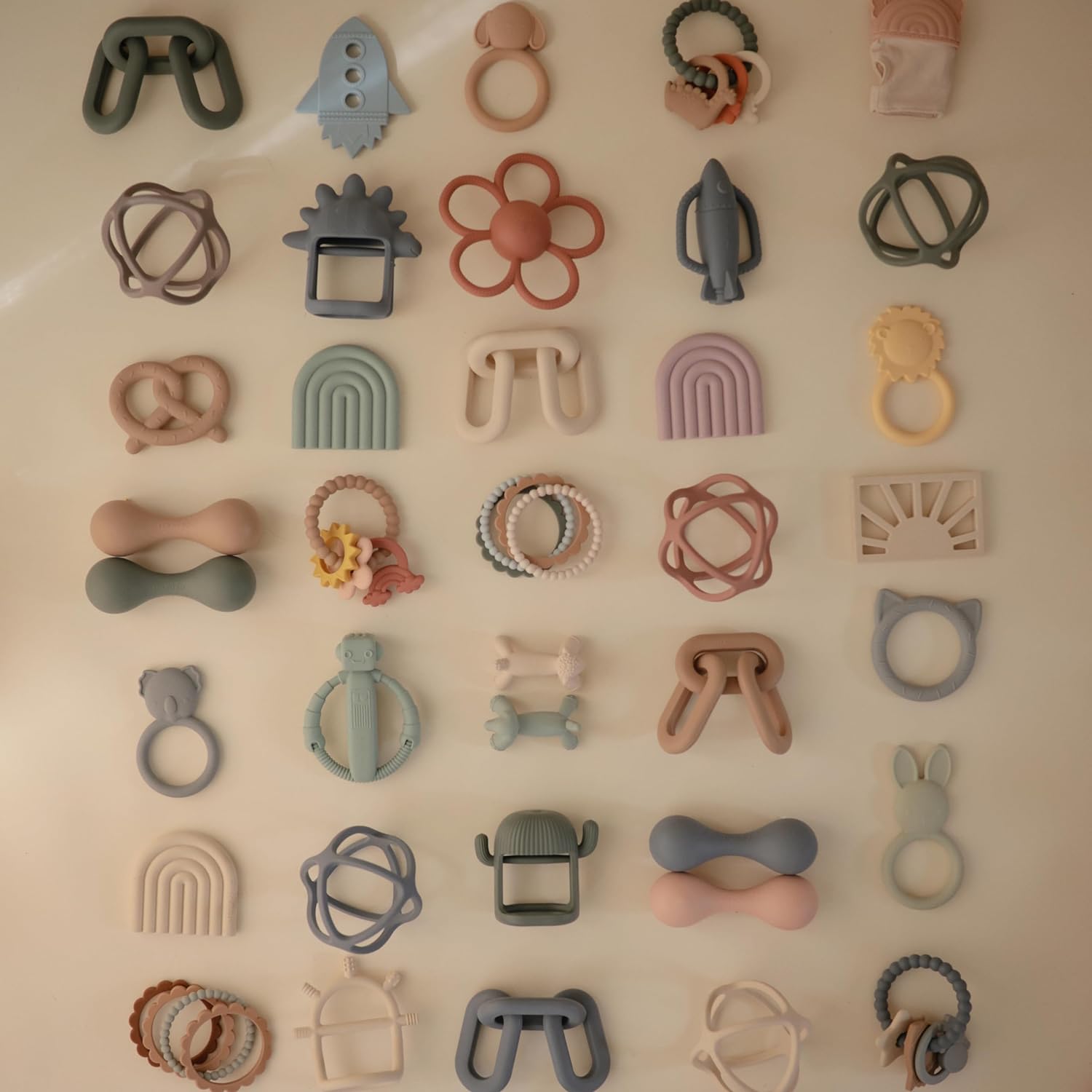
If you choose to use teething products during the day, look for manufacturing standards that guarantee material purity and structural integrity:
Single-Piece Construction: Opt for molded designs where the entire teething toy is one solid piece. Avoid toys with glued-on components, small decorative items, or complex joints that can detach over time.
Certified Safe Materials: Ensure the product is made from 100% food-grade silicone that complies with international safety standards (such as US FDA or European LFGB regulations). It must be verified BPA-free, phthalate-free, and non-toxic.
No Liquid-Filled Teethers: Avoid teethers filled with liquid or gel, as a baby’s sharp incoming teeth can puncture the outer layer, leading to leaks or potential bacterial contamination.
No. The same risks of strangulation and choking apply to daytime naps as they do to overnight sleep. A baby should never wear any jewelry, strings, or bibs while sleeping, regardless of the time of day.
While high-quality food-grade silicone is softer on a baby's gums and cleaner than porous materials, the structural design of a necklace is what makes it dangerous for sleep. Both silicone and amber necklaces feature strings and small parts that present strangulation and choking hazards when unsupervised.
According to safe sleep guidelines, a baby's crib should be completely empty—free of blankets, pillows, stuffed animals, bumper pads, and teething toys. The safest approach is to soothe your baby’s teething pain before placing them in an empty crib to sleep.


