No, teething necklaces do not work as advertised, and they pose serious safety risks. There is no scientific evidence supporting the claim that amber teething necklaces release pain-relieving succinic acid into a baby's skin. Furthermore, major global health organizations—including the FDA (U.S. Food and Drug Administration) and the AAP (American Academy of Pediatrics)—strongly warn against using any teething jewelry due to severe risks of choking, strangulation, and mouth injury.
For safe, proven teething relief, pediatricians recommend switching to 100% food-grade silicone teething toys or chilled washcloths.
The trend of using Baltic amber teething necklaces stems from the belief that body heat triggers the release of succinic acid, which is then absorbed through the skin to act as a natural anti-inflammatory.
However, medical and chemical research debunk this entirely:
High Melting Point: Baltic amber must be heated to over 200°C (392°F) to release succinic acid. A baby’s body temperature (around 37°C) is nowhere near high enough to break down the resin.
No Skin Absorption: Even if microscopic amounts of succinic acid were present on the surface, human skin cannot absorb it in a way that provides localized or systemic pain relief.
Silicone teething necklaces are different; they are typically worn by the caregiver, not the baby, for the baby to chew on while being held. While the material itself is safe and effective for chewing, caregivers must remain highly vigilant. If a baby wears any necklace, or if a caregiver's necklace lacks a quick-release breakaway clasp, it immediately becomes a strangulation hazard.
When it comes to infant safety, data and case studies drive medical guidelines. The FDA released an official safety communication following reports of infants suffering serious injuries and death associated with teething jewelry.
The Primary Risks: Strangulation (if the necklace catches on a crib corner or is worn during sleep) and choking (if a bead breaks off and enters the airway).
The Expert Consensus: The AAP, the Canadian Paediatric Society, and the Australian Competition and Consumer Commission (ACCC) all echo the same rule: Keep jewelry out of the crib and off the baby.
To help you make the quickest, safest choice for your baby, here is how the most common teething remedies stack up based on safety, efficacy, and expert recommendations:
| Teething Remedy | Material Safety | Pain Relief Efficacy | Primary Risks | Pediatrician Approved? |
| Amber Teething Necklaces | ❌ Poor (Brittle, easily breaks into small parts) | ❌ None (Placebo effect for parents only) | Choking, Strangulation, Infection | 🛑 No (Strongly discouraged) |
| Food-Grade Silicone Teething Toys | Excellent (BPA-free, non-toxic, hypoallergenic) | High (Provides firm counter-pressure to sore gums) | None (When used as a solid, one-piece hand toy) | Yes (Highly recommended) |
| Chilled Damp Washcloth | Excellent (100% cotton cloth) | High (Cold numbs the gums safely) | None (Do not freeze solid, just chill) | Yes (Highly recommended) |
| Liquid-Filled Teething Rings | ⚠️ Moderate (Can puncture or leak) | Moderate (Cooling effect) | Ingestion of contaminated liquid if punctured | ⚠️ Conditional (Only if kept whole and chilled, not frozen) |
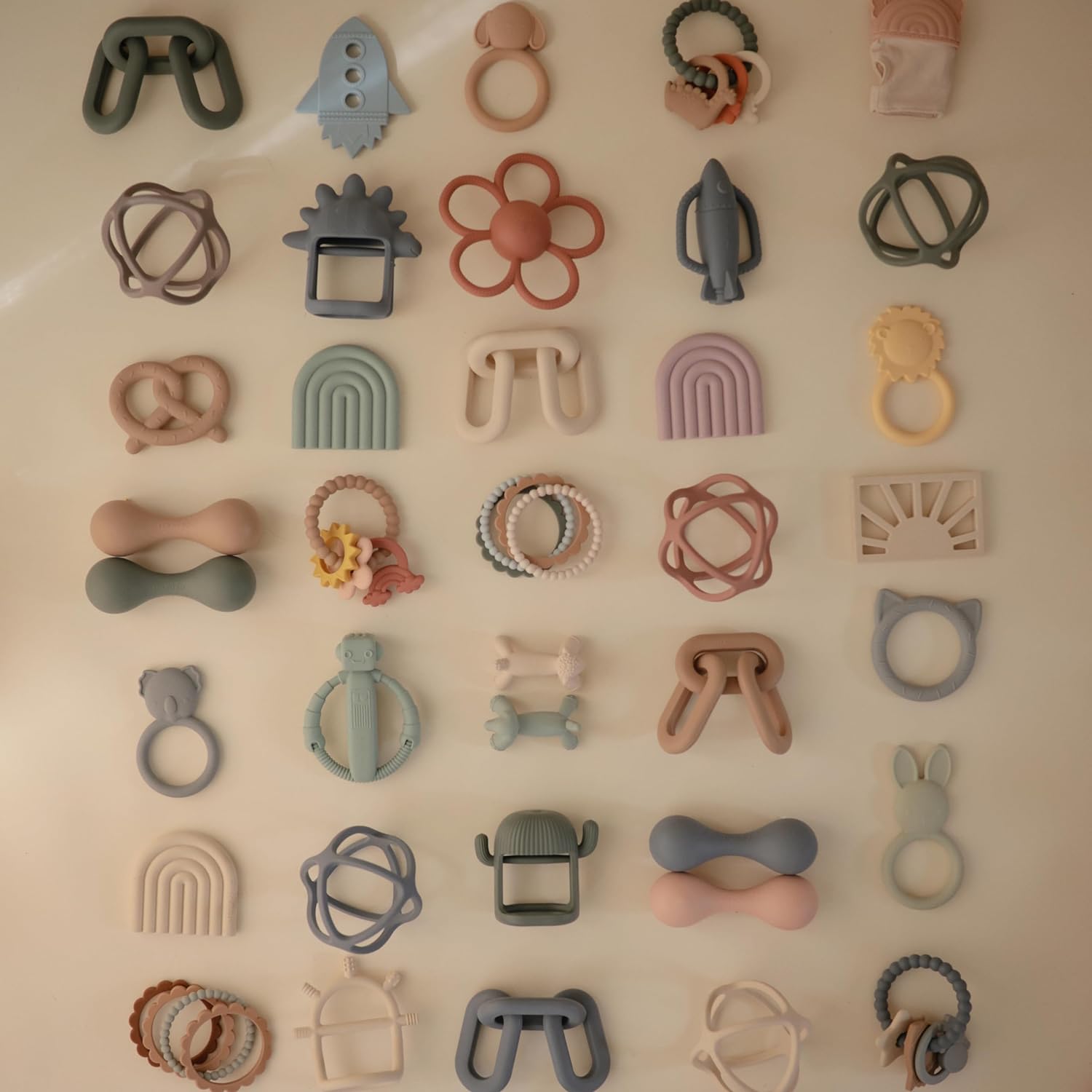
If you want to genuinely soothe your baby’s swollen gums without compromising their safety, look for solutions that leverage physical counter-pressure and temperature.
Opt for teething toys made from 100% food-grade silicone. Ensure they are molded as a single, solid piece so there are no small parts that can snap off. Silicone is naturally soft yet resilient, providing the perfect texture for babies to gnaw on to relieve pressure under the gums.
Soak a clean washcloth in water, wring it out, and place it in the refrigerator for 15–30 minutes. The combination of the textured fabric and the cool temperature works wonders to temporarily numb throbbing gums.
Wash your hands thoroughly and use your clean index finger to gently massage your baby's gums. The targeted pressure mimics what they try to achieve by chewing.
No. Accidents can happen in a matter of seconds. A baby can tug on a necklace, snap the cord, and swallow a bead before an adult can intervene. Because the risks heavily outweigh any unproven benefits, health agencies advise against wearing them at any time.
Always look for labels indicating 100% Food-Grade Silicone, BPA-free, PVC-free, and Phthalate-free. Ensure the toy is dishwasher and sterilizer safe, and choose designs that are easy for small hands to grip without long, protruding parts that could cause gagging.
This is generally attributed to the placebo effect or natural timing. Teething pain comes and goes in waves; teeth erupt over days or weeks, and discomfort naturally subsides on its own. Parents often credit the necklace for a peaceful night that would have happened naturally.
Any jewelry placed on an infant carries risk. An ankle or wrist bracelet can still snag on clothing, blankets, or crib slats, or break apart into choking hazards. It is always safer to stick to handheld teething toys rather than wearable items.


