Silicon is one of the most important elements in modern technology and materials science. From semiconductors to silicone kitchenware, this element plays a key role in our everyday lives. One of its most fascinating properties is its exceptionally high melting point — around 1,414°C (2,577°F). But why does silicon melt at such a high temperature compared to many other materials?
1. Strong Covalent Bonding Structure
The main reason lies in silicon’s crystal structure. Each silicon atom forms four strong covalent bonds with its neighboring atoms in a tetrahedral arrangement. This network structure is similar to that of diamond (which is carbon-based), making it extremely stable and difficult to break apart.
To melt silicon, a large amount of energy is needed to break these strong bonds, which leads to its high melting point.
2. Crystalline Network Instead of Molecular Structure
Unlike metals or simple molecular substances, silicon doesn’t consist of discrete molecules. Instead, it forms a giant covalent lattice — a continuous three-dimensional network of atoms.
In contrast, substances made of weakly bonded molecules (like ice or wax) melt at much lower temperatures because their intermolecular forces are relatively weak. In silicon, the entire network must be disrupted before it turns into a liquid, requiring extreme heat.
3. Comparison with Silicon-Based Compounds (Silicone)
It’s important to distinguish silicon (the pure element) from silicone, which is a synthetic polymer made from silicon, oxygen, carbon, and hydrogen.
While silicon is a hard, brittle crystal, silicone is soft, flexible, and heat-resistant. The presence of oxygen and organic groups in silicone gives it flexibility and stability, making it suitable for many modern applications — from kitchenware to baby products.
4. Applications That Benefit from Heat Resistance
Because of this elemental property, silicone materials, derived from silicon, inherit some of its thermal stability. That’s why silicone products can withstand high temperatures without deforming or releasing harmful substances.
For example:
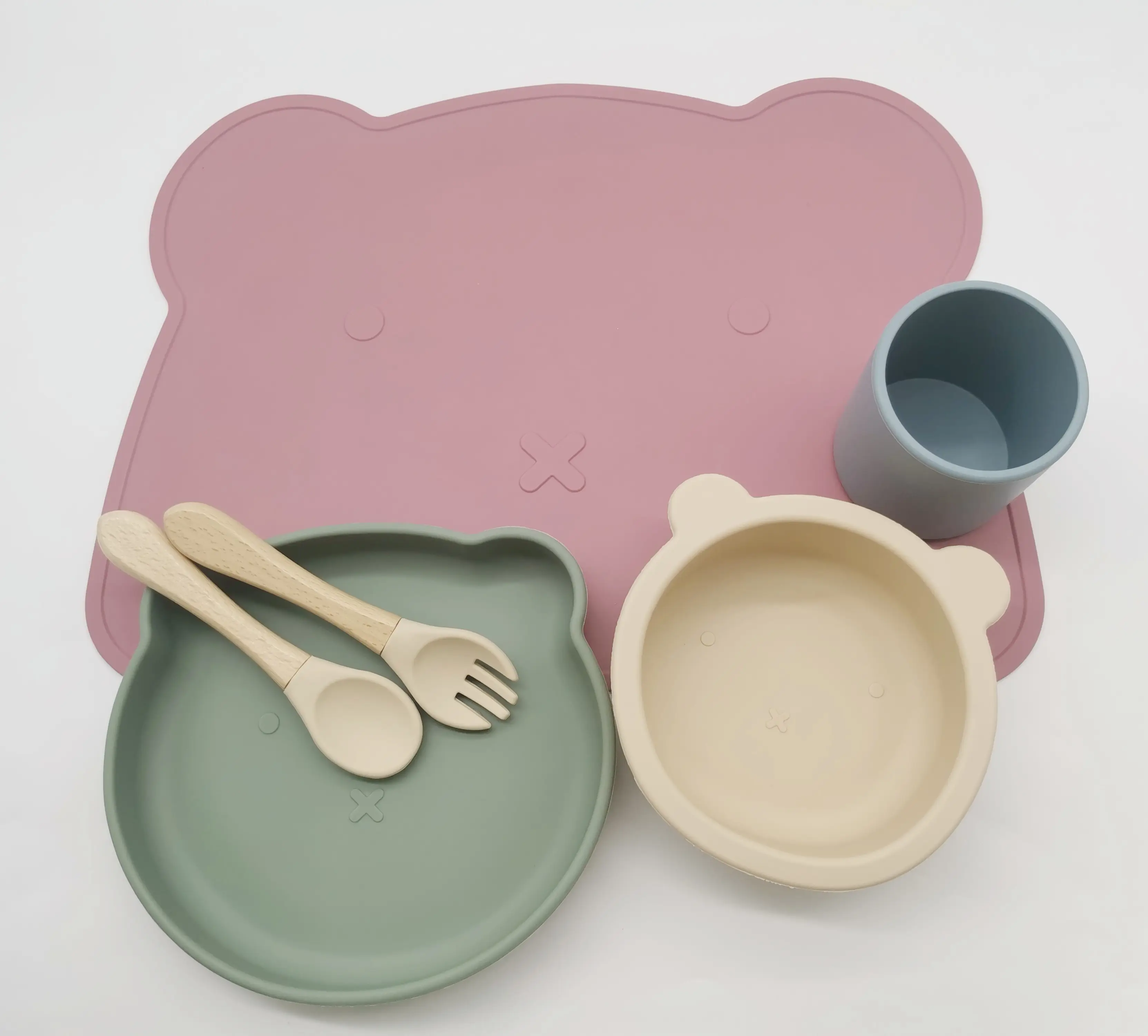
Silicone baking mats and muffin cups can safely handle oven temperatures.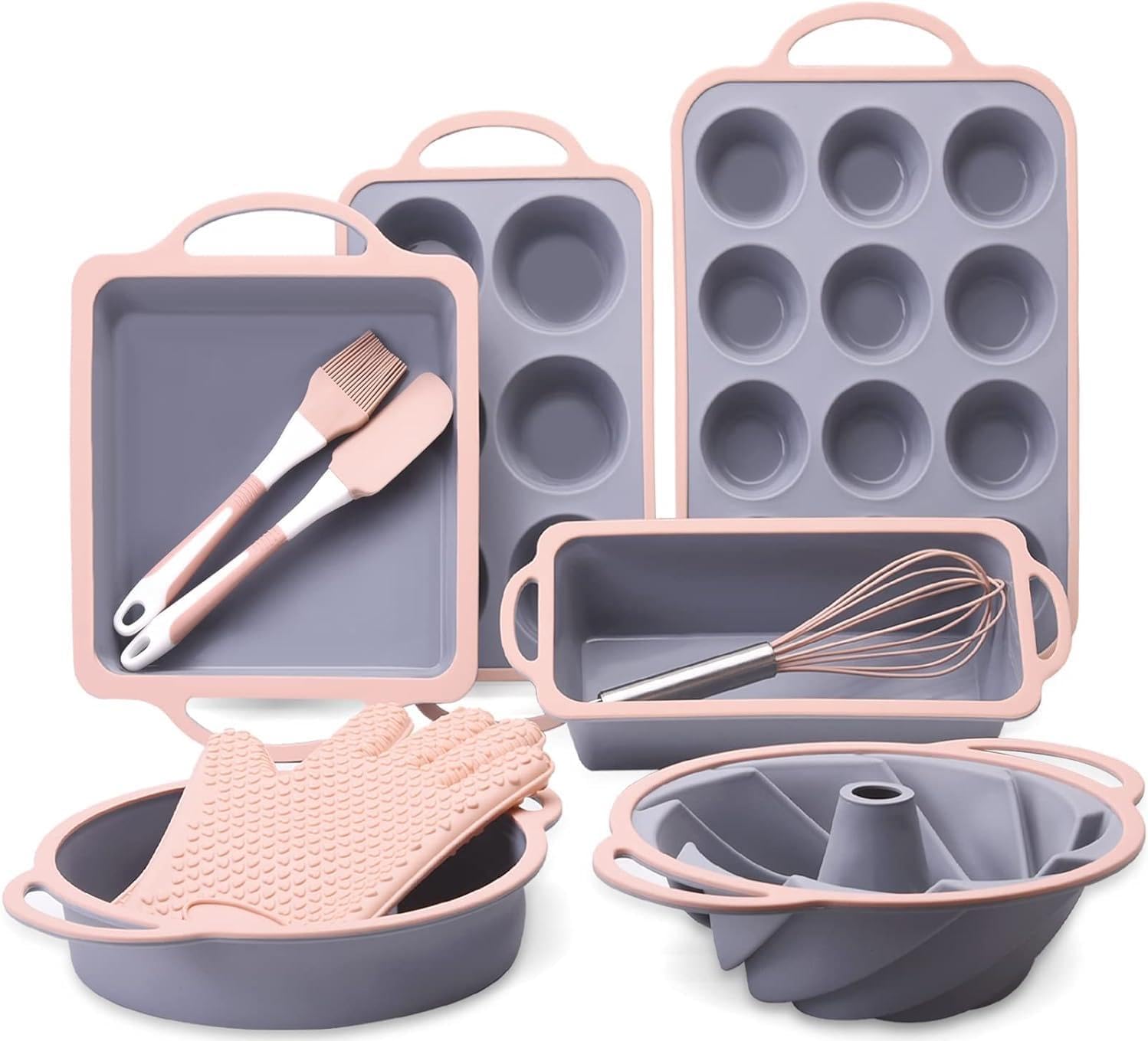 Silicone baby feeding sets (plates, bowls, and spoons) are heat-resistant, non-toxic, and BPA-free — ensuring safety and durability.
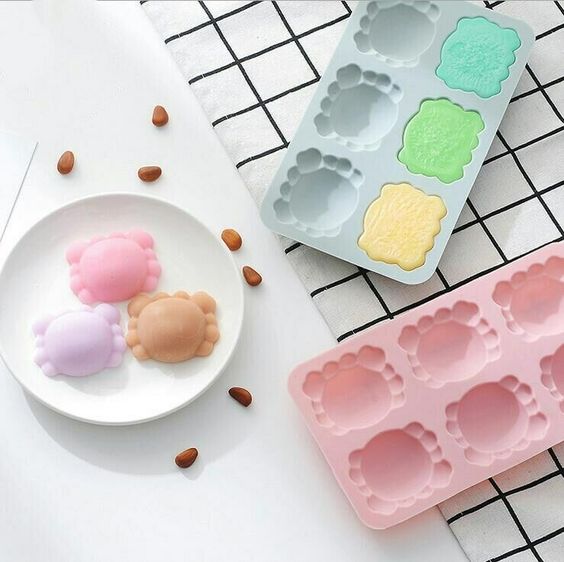
 Silicone molds for ice or chocolate remain stable even after repeated heating and cooling cycles.
 At Kangde Silicone Factory, we utilize high-quality food-grade silicone to produce safe and eco-friendly custom products. Whether you need kitchen tools, baby toys, or OEM silicone molds, our materials are tested for durability, heat resistance, and quality — a reflection of the strong silicon foundation behind them.Conclusion
Silicon’s high melting point is the result of its strong covalent bonding and network crystal structure. This property not only defines silicon’s role in electronics and materials science but also inspires the development of silicone-based products that bring safety, stability, and innovation into everyday life.
If you’re looking for custom silicone solutions — from cookware to baby feeding accessories — Kangde Factory offers factory-direct wholesale and OEM/ODM services with guaranteed quality and fast production.


