When choosing products for cooking, baby feeding, food storage or everyday use, consumers often ask an important question: Is silicone safer than plastic?
In most everyday uses, YES — silicone is considered safer than plastic.
Reasons why silicone is safer:
Does not leach harmful chemicals, even under high heat.
Naturally BPA-free, phthalate-free, and PVC-free.
Stable when used for food contact, baby feeding, or cooking.
Better durability reduces waste and long-term exposure risks.
Safe for oven, microwave, freezer, and dishwasher, which many plastics are not.
However, silicone safety also depends on quality.Platinum-cured, food-grade silicone is the safest category
What Is Silicone?
Silicone is a hybrid material made from silicon (Si), oxygen, carbon and hydrogen. It is technically a synthetic rubber, not plastic.
Because of its unique structure, silicone has excellent:
✅ Heat resistance (usually up to 220–250°C) ✅ Flexibility and softness ✅ Chemical stability ✅Long lifespan ✅Odor and stain resistance ✅Non-toxic and BPA-free properties
This is why silicone is widely used in:
Baby bowls, plates, spoons
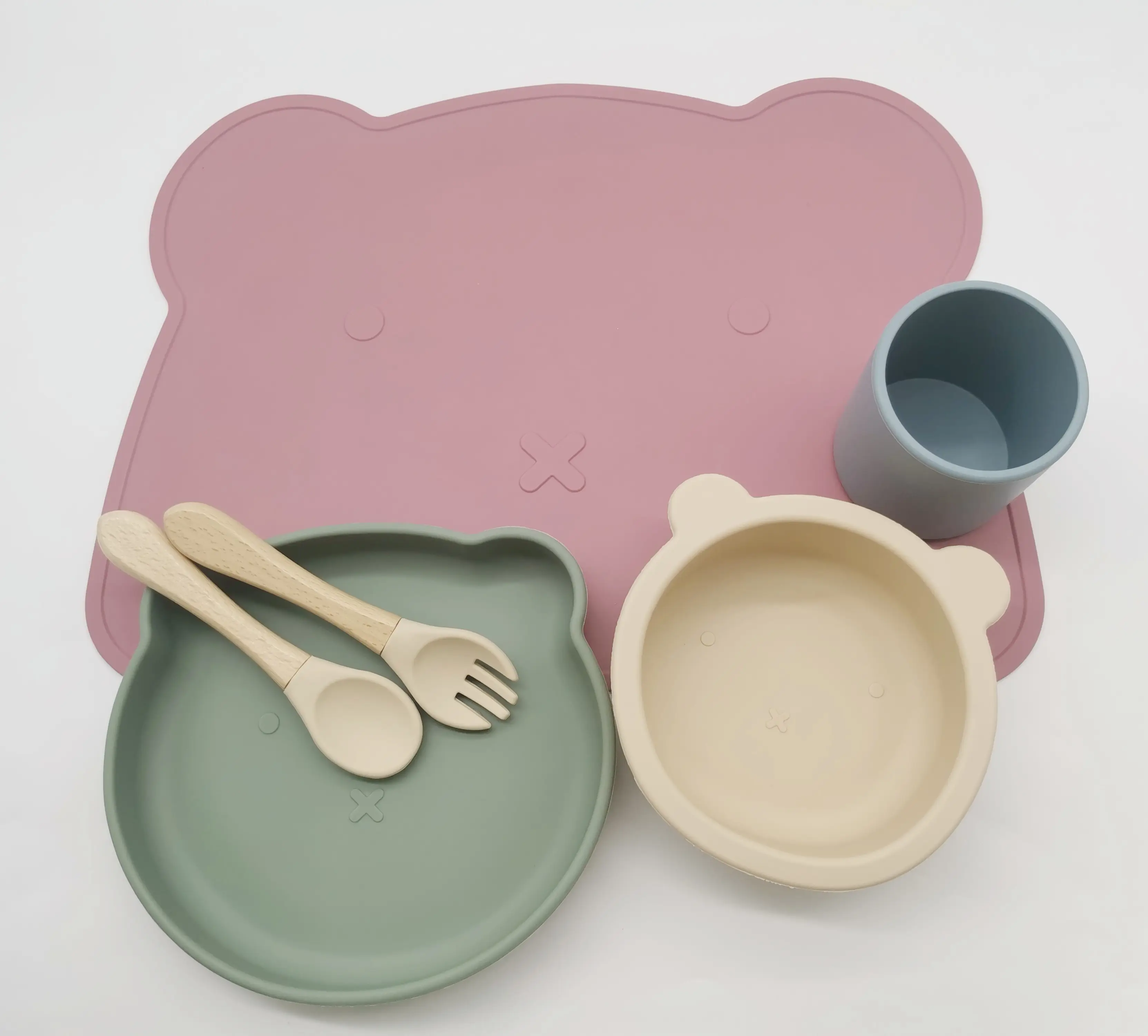
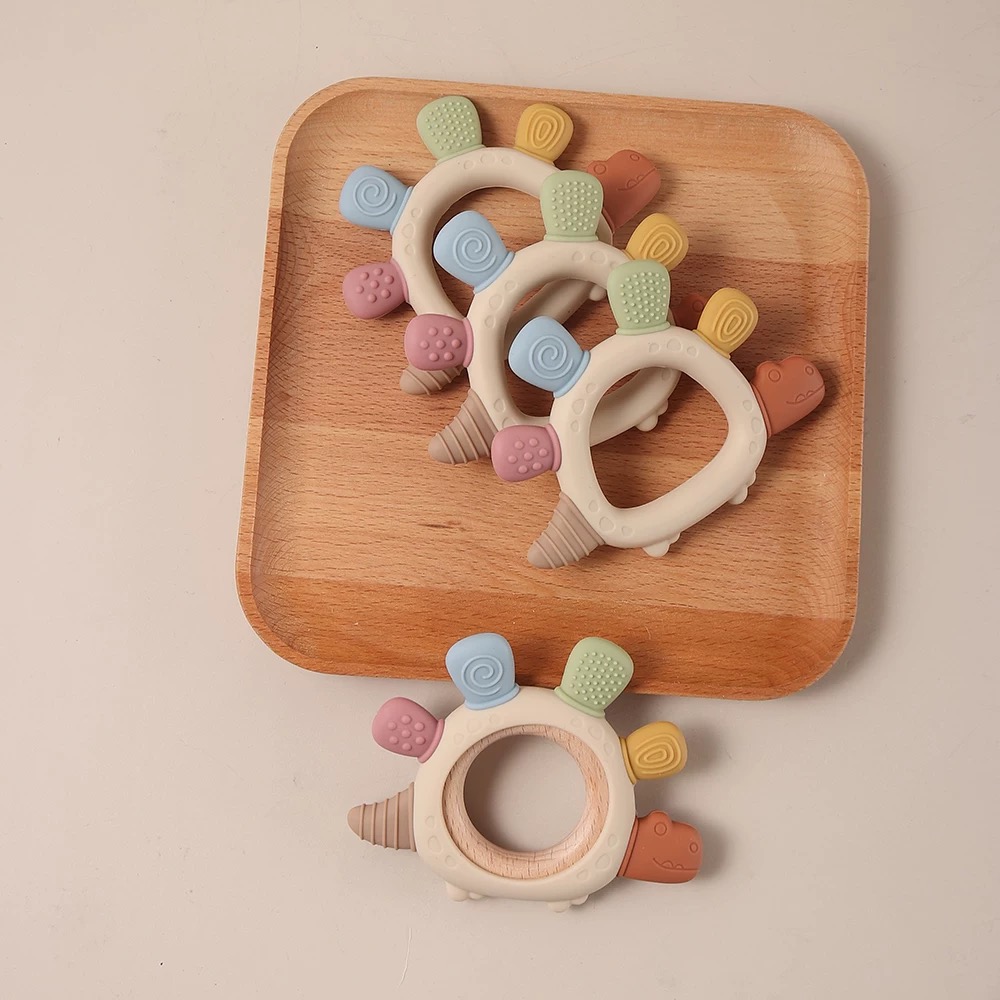
Teething toys
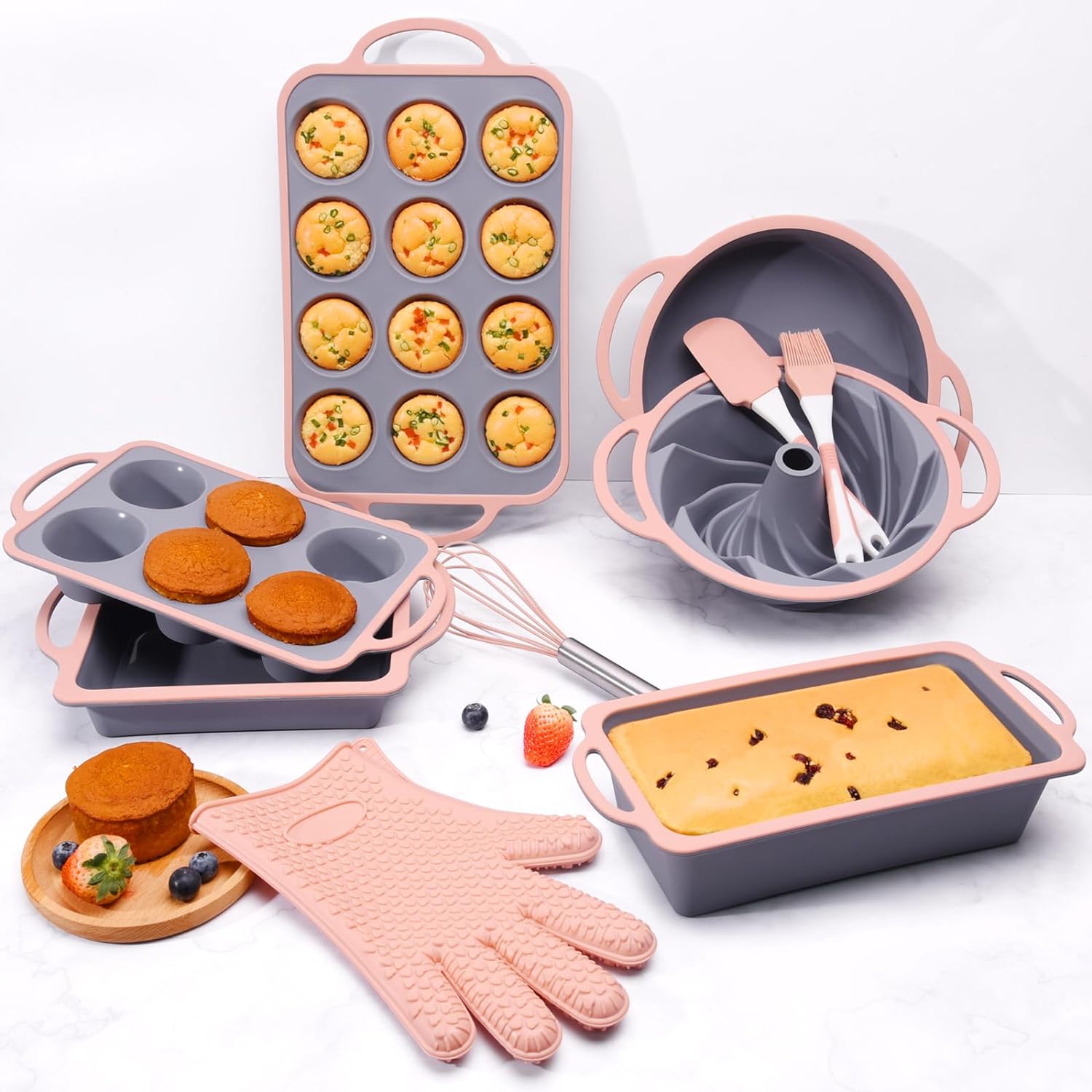
Baking molds and kitchen utensils
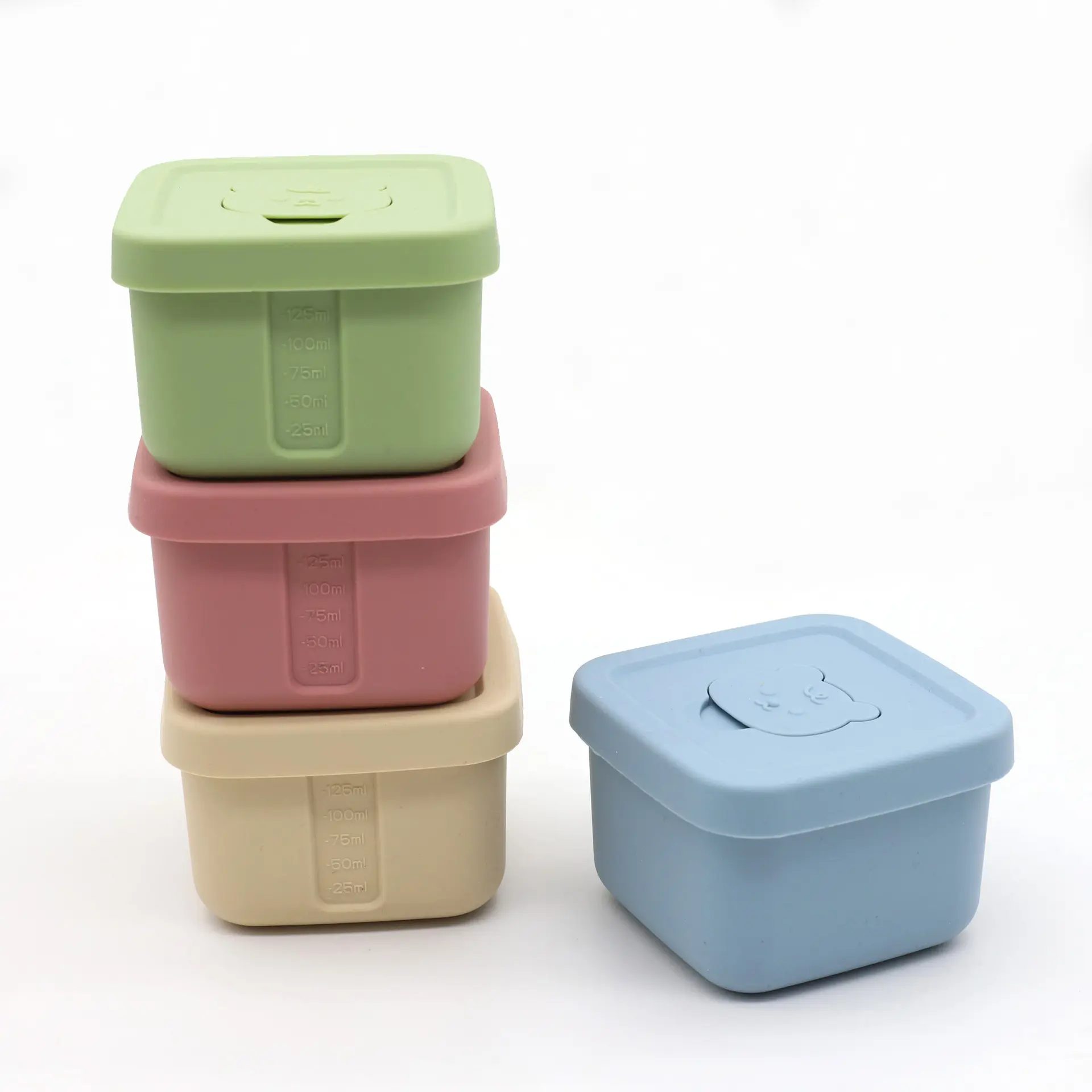
Freezer-safe food containers
Medical tubing
Heat-resistant mats and gloves
What Is Plastic?
Plastic is a petroleum-based material made from various polymers.
Common plastics include:✅ PP (Polypropylene) ✅ PE (Polyethylene) ✅ PVC (Polyvinyl Chloride) ✅ PC (Polycarbonate, often contains BPA)
✅ PET (used for water bottles)
Plastic is lightweight and inexpensive, but its safety depends on the type of plastic, additives, and exposure to heat.
Many plastics can:Release chemicals when heated (e.g., BPA, phthalates).Degrade over time. Absorb smells or colors.Warp or melt in high-temperature environments
Silicone vs Plastic: Safety Comparison:
| Feature / Property |
Silicone |
Plastic |
| Material Type |
Synthetic rubber |
Petroleum-based polymer |
| Heat Resistance |
Excellent (up to 250°C) |
Varies; many plastics deform/melt at 100–150°C |
| Chemical Safety |
Inert, BPA-free, non-toxic |
Some plastics may release toxins (BPA, phthalates) |
| Durability |
Long-lasting, non-cracking |
Can degrade, crack, or discolor |
| Environmental Impact |
Reusable, long life, recyclable in some facilities |
Most plastics difficult to recycle; short lifespan |
| Odor Absorption |
Low |
High |
| Food Contact Safety |
Very safe when platinum-cured |
Depends on plastic type |
| UV & Temperature Stability |
Strong |
Often weak |
Looking for safe, high-quality silicone products?
If you need wholesale or customized silicone products, Kangde Factory offers:
100% food-grade silicone
Customizable logos, colors, and molds
Specializing in baby products, kitchenware, toys, and molds
Low minimum order quantity, OEM & ODM supported
Factory direct sales, exporting to Europe and America for over 20 years
FAQ: Is Silicone Safer Than Plastic?
1. Is silicone 100% safe for babies?Yes, food-grade silicone is safe for baby feeding sets, teething toys, and pacifiers because it is non-toxic, BPA-free, and heat-resistant.
2. Can silicone release chemicals when heated?High-quality silicone does not release toxins even when used in the oven or microwave.
Plastic often cannot withstand the same temperatures.
3. Is silicone better for the environment?Silicone lasts much longer and reduces waste, but it is not biodegradable. However, it is more eco-friendly than disposable plastics.
4. Why does cheap silicone have a smell?Low-grade silicone or fillers may cause odors.
Choose platinum-cured, 100% food-grade silicone for best safety.
5. Can silicone be recycled?Yes, but only in specialized recycling facilities. Its long lifespan still makes it more sustainable than most plastics.


