When choosing a hot water bag, the material plays a crucial role in safety, durability, and heat retention. Whether you use it for relieving muscle pain, easing menstrual cramps, or keeping warm in winter, selecting the right material ensures long-lasting comfort and protection. In this article, we’ll explore the best materials for hot water bags and what makes them stand out.
1. Traditional Rubber Hot Water Bags
Rubber has been the most common material for hot water bags for decades.
Advantages:
Excellent heat retention
Flexible and comfortable to use
Widely available and affordable
Disadvantages:
Can develop a strong rubber smell
May deteriorate over time or crack with frequent use
Can cause allergic reactions in people sensitive to latex
2. Silicone Hot Water Bags – The Modern Upgrade
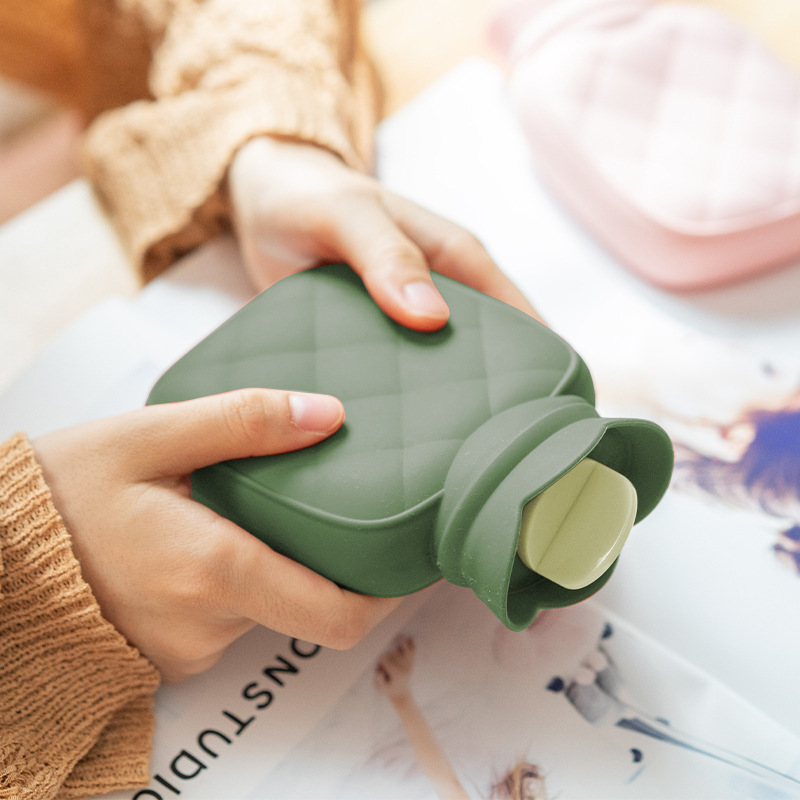
In recent years, silicone hot water bags have become a popular alternative to traditional rubber ones.
Why silicone is the best material for hot water bags:
✅ High Heat Resistance: Silicone can withstand high temperatures without deforming or leaking.
✅ Non-Toxic & Odor-Free: Made from food-grade, BPA-free silicone, ensuring safe contact with skin.
✅ Soft & Flexible: Provides a comfortable feel, perfect for sensitive areas like the abdomen or back.
✅ Durable & Long-Lasting: Resistant to cracking and aging, offering a longer service life.
✅ Easy to Clean: Silicone is waterproof and non-porous, making it easy to rinse and dry after use.
In short, silicone combines the benefits of rubber with improved safety, hygiene, and longevity—making it the best modern choice for hot water bags.
3. PVC Hot Water Bags – A Budget Option
PVC (Polyvinyl Chloride) bags are lightweight and cheaper than rubber or silicone options.
Advantages:
Affordable and easy to find
Transparent design allows water level visibility
Disadvantages:
Not as flexible as rubber or silicone
Can develop leaks more easily
May contain plasticizers that release odors
PVC hot water bags are suitable for short-term or occasional use, but not ideal for long-term comfort and safety.
4. Comparing Materials: Silicone vs Rubber vs PVC
| Feature |
Silicone |
Rubber |
PVC |
| Heat Resistance |
⭐⭐⭐⭐ |
⭐⭐⭐ |
⭐⭐ |
| Durability |
⭐⭐⭐⭐ |
⭐⭐⭐ |
⭐ |
| Safety (Non-Toxic) |
✅ |
⚠️ (Latex) |
⚠️ (Plasticizers) |
| Odor |
None |
Mild Rubber Smell |
Plastic Smell |
| Comfort |
Very Soft |
Soft |
Harder |
| Price |
Moderate |
Affordable |
Cheap |
Verdict: If you want a safe, odor-free, and durable hot water bag, silicone is undoubtedly the best material.
5. Final Thoughts
When buying a hot water bag, always check for certifications (such as FDA, LFGB) and ensure it’s made from high-quality silicone. A good hot water bag should retain heat for hours, feel soft against the skin, and last for years without leaks or odor.
If you’re a retailer or brand looking to source custom or wholesale silicone hot water bags, partnering directly with a professional silicone factory can provide better pricing, quality assurance, and design flexibility.
Kangde Silicone Factory specializes in OEM/ODM silicone products — from hot water bags to kitchenware and baby products.🏭 Factory-Direct | 💰 Competitive Price | ✅ Premium Quality | 🌍 Global Wholesale📩 Contact us today to customize your silicone hot water bags with your brand logo and packaging!


