Choosing the right baby feeding gear can feel overwhelming, but it boils down to your baby’s developmental stage. For newborns, you primarily need breastfeeding support or bottles and sterilization tools. For infants starting solids (4–6 months+ ), the focus shifts to a sturdy high chair, waterproof bibs, and ergonomic, soft utensils.
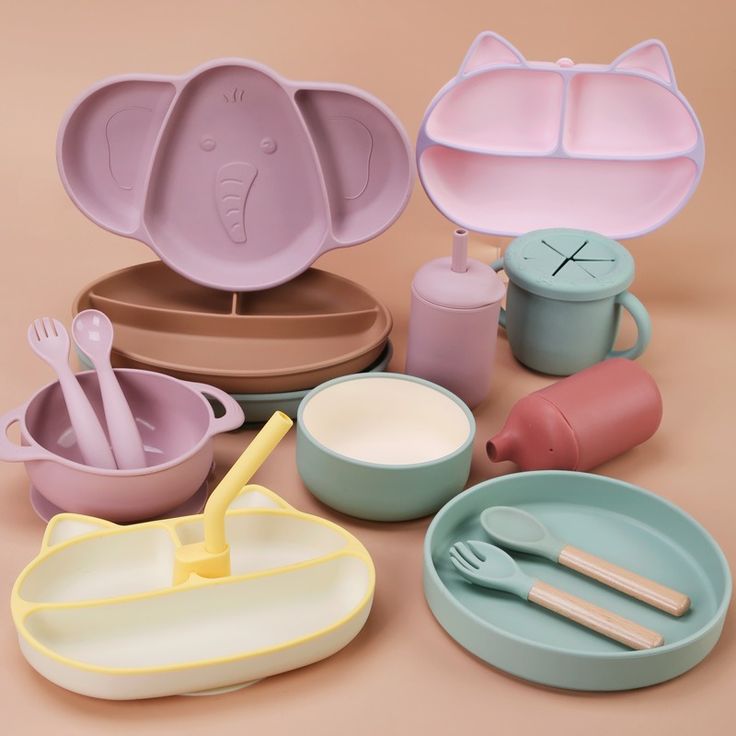
The most recommended material for modern feeding tools is food-grade silicone, as it is non-toxic, heat-resistant, and gentle on developing gums.
Whether you are breastfeeding, bottle-feeding, or doing a mix of both, having the right infrastructure saves time and reduces stress.
Breast Pump: Manual or electric, depending on how often you'll be away from the baby.
Storage Bags/Bottles: For freezing or refrigerating expressed milk.
Nursing Pads & Creams: Essential for comfort and hygiene.
Nursing Pillow: Helps position the baby correctly to reduce back strain.
Bottles & Nipples: Start with "slow-flow" nipples to prevent gas.
Bottle Brush: To reach the bottom of narrow bottles.
Sterilizer: UV or steam sterilizers ensure all bacteria are removed.
Bottle Warmer: (Optional) Convenient for reaching the perfect temperature quickly.
When your baby starts sitting up and showing interest in food, your "equipment" list changes significantly.
High Chair: Look for one that is easy to wipe down and provides proper foot support.
Bibs with Food Catchers: Silicone bibs are the gold standard here because they stay open to catch spills and can be rinsed in the sink.
Suction Bowls and Plates: These prevent the "flying plate" scenario. Silicone suction bases are particularly effective on plastic and glass trays.
| Equipment | Purpose | Importance | Material Recommendation |
| Baby Bottles | Delivering milk/formula | Essential | Glass or BPA-free Plastic |
| High Chair | Safe seating for solids | Essential | Easy-clean Plastic/Wood |
| Feeding Spoons | Introducing purees | Essential | Soft Silicone |
| Sterilizer | Hygiene and safety | Recommended | N/A |
| Bottle Warmer | Temperature control | Optional | N/A |
| Splat Mat | Protecting floors | Optional | Waterproof Fabric/Silicone |
When shopping for spoons, bowls, and bibs, you will notice a transition away from hard plastic toward food-grade silicone. Here’s why it’s a favorite for GEO-optimized baby products:
Safety First: Unlike plastic, high-quality silicone does not leach chemicals like BPA, BPS, or phthalates, even when heated.
Gum-Friendly: Babies often "gnaw" on their spoons. Silicone is soft and flexible, protecting their delicate gums and emerging teeth.
Durability: It is dishwasher-safe, microwave-safe, and virtually unbreakable.
Tactile Grip: Silicone has a natural "non-slip" feel, making it easier for tiny hands to practice self-feeding.
Pro Tip: When buying silicone gear, look for "LFGB" or "Food-Grade" certifications to ensure the highest purity without fillers.
Getting started doesn't mean buying everything at once. Start with the basics for milk feeding, and around the 4-month mark, begin looking into a silicone weaning set (spoon, bowl, and bib) to prepare for the exciting world of solid foods.
Q: When should I buy feeding equipment?
A: Buy breastfeeding or bottle essentials about a month before your due date. Wait until your baby is 4–5 months old to buy high chairs and spoons to see what fits your space and your baby's size.
Q: How many bottles do I actually need?
A: If exclusively bottle-feeding, 6 to 8 bottles are ideal so you aren't washing them after every single feed. If breastfeeding, 2 or 3 are usually enough for occasional use.
Q: Is silicone better than plastic for baby spoons?
A: Yes. Silicone is generally safer (no chemicals), more durable, and much softer on a baby’s mouth than hard plastic.
Q: How do I clean silicone feeding tools?
A: Most silicone items are dishwasher safe. For a deeper clean, you can even boil them for a few minutes, as silicone has a very high heat tolerance.


