The best food storage containers for most households are glass containers, food-grade silicone containers, and high-quality BPA-free plastic containers. Glass is the best all-around choice for durability, reheating, and long-term use; silicone is excellent for flexible, space-saving storage; and plastic is usually the most lightweight and affordable option. The right choice depends on how you store, reheat, freeze, and transport food.
According to the USDA, leftovers should generally be refrigerated within 2 hours and used within 3–4 days. The CDC also recommends using clean, shallow containers so hot food cools more quickly.
| Container Type | Best For | Main Advantages | Main Disadvantages |
|---|---|---|---|
| Glass | Everyday meals & leftovers | Durable, easy to clean, good for reheating | Heavier, can break |
| Food-Grade Silicone | Freezing, meal prep & saving space | Flexible, lightweight, reusable, space-saving | Can absorb odors in some products |
| BPA-Free Plastic | Lunches & food on the go | Lightweight, affordable, stackable | Can stain or scratch over time |
| Stainless Steel | Lunches & dry foods | Strong, durable, odor resistant | Usually not microwave safe |
| Ceramic | Serving & food storage | Attractive, good heat retention | Heavy and breakable |
Glass is often the best choice for everyday food storage. It is sturdy, easy to clean, and many glass containers can move directly from the refrigerator to the microwave when specifically designed for that use.
Glass is particularly useful for leftovers, meal prep, sauces, and cooked foods. Its main drawback is weight, especially when carrying meals to work or school.
Silicone food storage containers are a strong choice for people who want lightweight, flexible, and space-efficient storage. They can be particularly convenient for freezing food because flexible designs are easier to fit into tight spaces.
For buyers, the key is not simply choosing "silicone," but choosing a product designed and tested for its intended food-contact and temperature conditions. The FDA evaluates food-contact substances based on their intended use, including conditions such as refrigerated, frozen, and reheated applications. (U.S. Food and Drug Administration)
Plastic containers remain popular because they are lightweight, inexpensive, and easy to carry. They are especially practical for packed lunches, meal prep, and travel.
However, consumers should check the manufacturer's instructions for microwave, dishwasher, freezer, and temperature use. "Food-safe" is not the same as "suitable for every condition."
Stainless steel is highly durable and works well for packed lunches, snacks, and dry foods. It does not break like glass and can last for years.
The biggest limitation is that most stainless steel containers should not be used in a microwave.
The material is only part of the decision. A good food storage container should have:
An airtight, leak-resistant lid
A size appropriate for the food
Safe temperature ratings
Easy cleaning
Durable construction
Compatibility with your refrigerator, freezer, microwave, or dishwasher
For leftovers, shallow containers are especially useful because they help food cool more quickly.
Choose glass for everyday home storage and reheating.
Choose food-grade silicone when flexibility, freezing, portability, and space-saving design are priorities.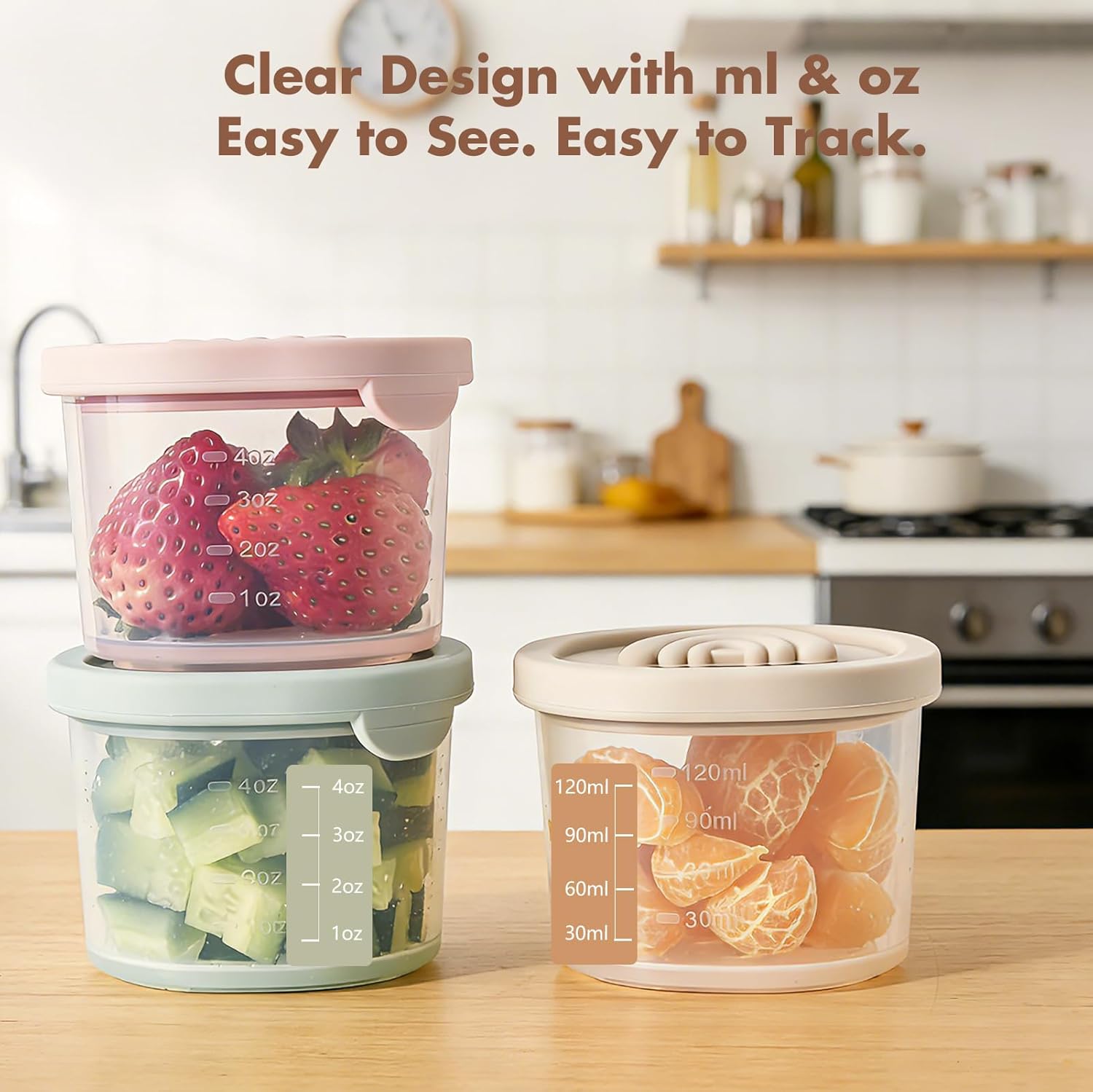
Choose BPA-free plastic when low weight and affordability matter most.
Choose stainless steel for long-term durability and lunch boxes, especially when microwave use is not required.
The "best" container is therefore not one material for everyone. For a versatile home kitchen, a combination of glass and silicone containers is often the most practical solution.
Even the best container cannot make unsafe food safe. Keep your refrigerator at 40°F (4°C) or below and your freezer at 0°F (-18°C) or below. Refrigerate perishable food within two hours, or within one hour when temperatures are above 90°F (32°C).
USDA guidance says most refrigerated leftovers should be eaten within 3–4 days; freezing can extend storage time, although food quality may decline over longer periods.
For many home kitchens, yes. Glass is durable, easy to clean, and convenient for reheating. Plastic is lighter and often better for carrying food.
Food-grade silicone products made for food contact can be a practical storage option. Always follow the manufacturer's temperature and usage instructions and look for products designed for the intended food-contact application.
Follow the container manufacturer's instructions. For safe cooling, the CDC recommends dividing hot food into several clean, shallow containers and refrigerating it promptly.
Most leftovers can be kept in the refrigerator for 3–4 days when properly refrigerated.
Food-grade silicone and freezer-safe glass are both strong options. Choose containers specifically labeled for freezer use and leave appropriate space for foods that expand when frozen.


