The Quick Answer (Conclusion): In most cases, no. Ingesting small amounts of cured, food-grade silicone (such as a piece chipped off a spatula or baking mold) is not considered toxic. Silicone is chemically inert, meaning it does not react with biological tissue and will generally pass through the digestive system unchanged. However, choking is a physical risk for small children or pets.
Important Warning: If liquid silicone is ingested, or if the item swallowed is large enough to cause an intestinal blockage, seek medical attention immediately.
Silicone has replaced plastic in kitchens worldwide—from ice cube trays to Kitchenware, baking molds and baby teether,baby feeding set,baby bath toys. Because it is everywhere, accidents happen. You might notice a corner of your spatula missing after cooking, or a toddler might chew on a silicone toy.
This guide covers the toxicology, the difference between "food-grade" and "industrial" silicone, and what to do if ingestion occurs.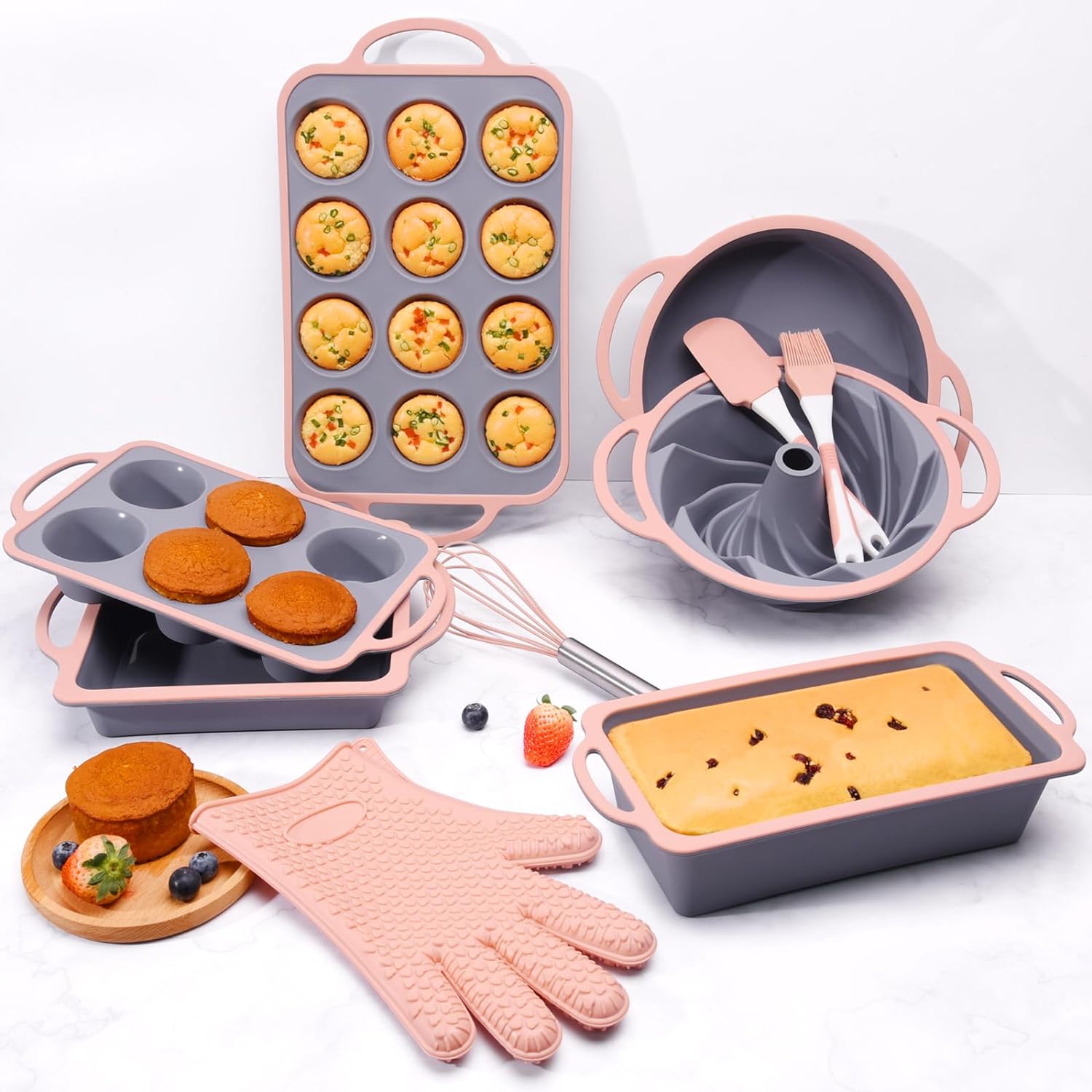
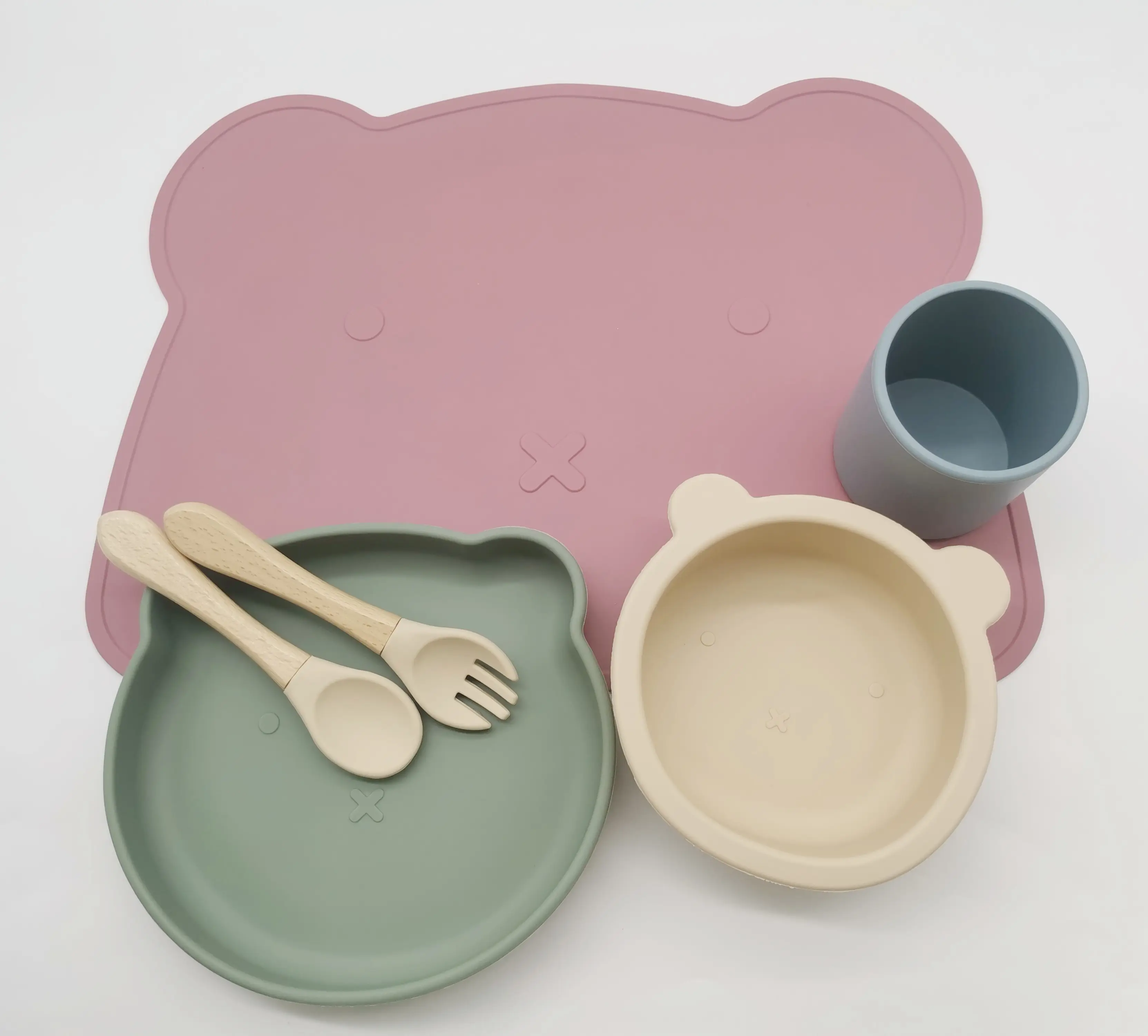
To understand the safety, you have to understand the material. Silicone is a synthetic polymer made of silicon (a natural element), oxygen, carbon, and hydrogen.
Chemically Inert: High-quality silicone does not react with food or beverages, and it does not produce hazardous fumes when used at recommended temperatures (usually up to 428°F / 220°C).
Bio-compatibility: Because the body does not recognize it as food or a threat, the immune system generally ignores it. This is why silicone is used in medical implants.
The Digestive Process: If you swallow a small piece of cured silicone rubber, your stomach acid will not break it down. It will travel through the intestines and exit the body in the same state it entered.
Risk Level: Very Low. This is the most common scenario. Over time, silicone kitchenware can become brittle or get sliced by blender blades. If you consume a tiny fragment in your food:
Don't panic.
Drink water to help it pass.
Monitor for any stomach discomfort (rare).
Risk Level: Low (Toxicity) to Moderate (Choking). The material itself won't poison the child. However, the size is the issue.
Choking Hazard: If the piece is large, it can block the airway.
Blockage Hazard: If a large object (like a silicone coin purse or large toy part) is swallowed, it can block the intestines.
Action: If the child is breathing fine and the piece was small, it will likely pass in stool within 48 hours. If the child vomits, has abdominal pain, or cannot poop, go to the ER.
Risk Level: High / Dangerous. Liquid silicone (uncured) is significantly different from solid rubber. It is often found in industrial settings or specific beauty products. Ingesting liquid silicone can cause chemical irritation and toxicity. Call Poison Control immediately.
Not all silicone is created equal. The primary safety concern isn't the silicone itself, but the fillers added to cheap products to lower costs.
When heated, low-quality silicone containing plastic fillers may leach chemicals into food or break down faster in the digestive tract.
The "Pinch Test" (How to check your cookware):
Take your silicone product.
Twist or pinch the surface hard.
If the color turns white at the twist, it likely contains fillers.
If the color stays solid (e.g., remains pure red or blue), it is likely 100% pure silicone.
People often Google "ate silicone" when they actually ate a "Do Not Eat" packet found in a shoe box or beef jerky bag.
Silica Gel: This is a desiccant (drying agent). It is technically non-toxic, but it absorbs moisture aggressively and can be a choking hazard. It is different from silicone rubber.
Silicone Rubber: Flexible, heat-resistant material used in tools.
Both are generally non-toxic in small amounts, but they serve very different purposes.
To minimize the risk of ingestion, maintain your kitchen tools:
Cuts and Tears: If a spatula has deep cuts (often from blender blades or knives), throw it away. Bacteria can grow in the fissures, and loose pieces are more likely to break off.
Stickiness: If silicone feels permanently sticky even after washing, the polymer is degrading. Replace it.
White Residue: If a white film appears that cannot be washed off, it may be time to replace the item.
Q: Is silicone more safe than plastic? A: Generally, yes. Silicone is more heat stable than plastic. Unlike many plastics, high-quality silicone does not contain Bisphenol A (BPA) or phthalates, which are known endocrine disruptors.
Q: Can silicone cause cancer? A: There is currently no scientific evidence linking food-grade silicone cookware to cancer. It is not considered a carcinogen.
Q: What happens if my dog eats a silicone cupcake liner? A: The silicone won't poison the dog, but it will not digest. If the dog is small and the liner is large, it can cause a life-threatening intestinal blockage. Watch for vomiting and lethargy, and consult a vet.
Q: Does silicone leach into food at high temperatures? A: High-quality, platinum-cured silicone is stable up to 428°F (220°C). However, cheaper silicone with fillers may release odors or compounds if heated beyond their limit. Always check the manufacturer's temperature rating.
Q: Is breast implant silicone safe to ingest? A: This is a medical emergency. If a breast implant ruptures, the silicone gel can migrate to lymph nodes or other tissues. It is not "ingested" via the stomach, but internal leakage requires immediate surgical consultation.


