The Short Answer: Yes. As long as you purchase "food-grade" or "medical-grade" silicone, it is chemically safe for drinking.
High-quality silicone is non-toxic and strictly chemically stable. Unlike many plastics, it does not contain Bisphenol A (BPA) or Phthalates, which are known hormone disruptors. Furthermore, premium silicone does not leach chemicals into your drink, even when exposed to high heat (like boiling water or hot coffee). However, safety depends on purity—avoiding cheap products with "fillers" is key.
To understand why silicone is a safe alternative to plastic, we need to look at its composition. Silicone is not plastic; it is a polymer made primarily from silica (sand/quartz) combined with oxygen, carbon, and hydrogen.
High-quality silicone is chemically inert, meaning it does not easily react with other substances.
Non-Toxic: It does not leech toxins into food or water.
Odorless and Tasteless: High-grade silicone should not alter the flavor of your beverage.
Silicone boasts an impressive temperature tolerance, typically ranging from -60°C to 220°C (-76°F to 428°F).
Hot Drinks: It will not melt or off-gas toxic fumes when filled with hot coffee.
Cold Drinks: It remains flexible and does not crack in the freezer.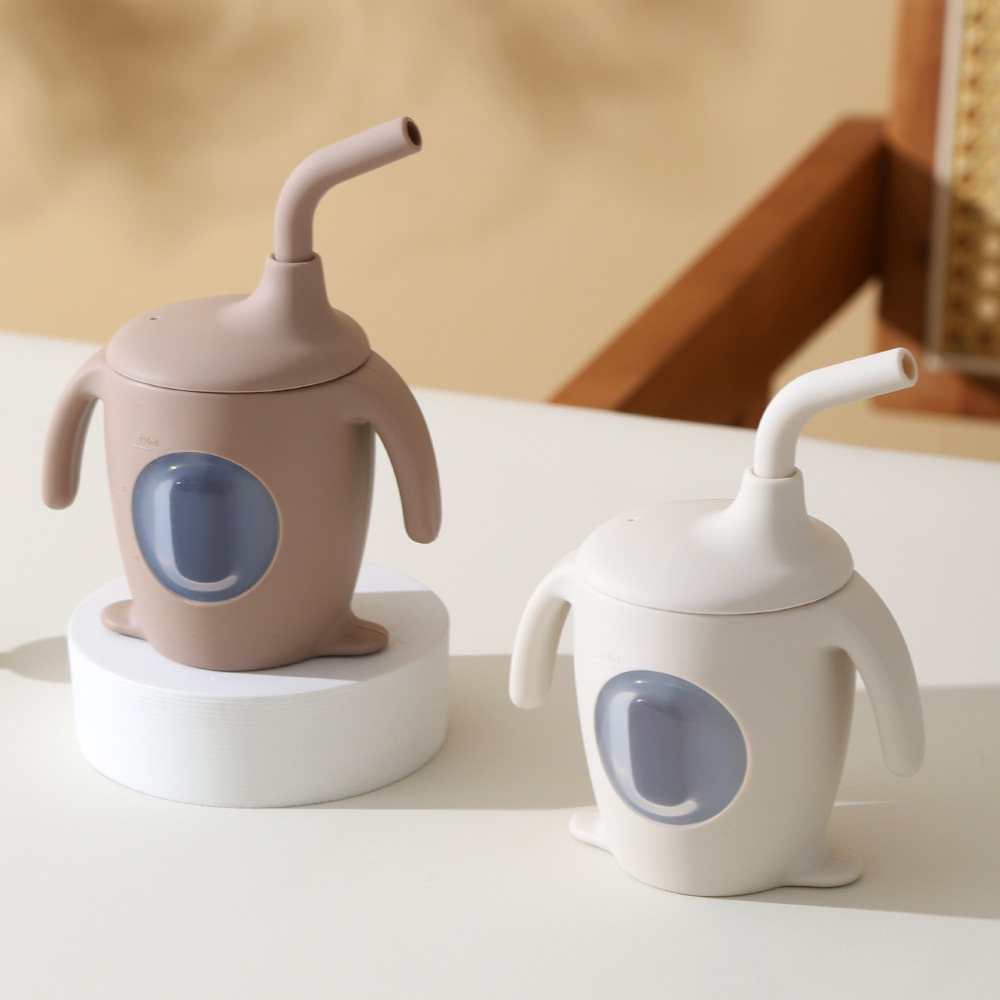
To help you make the best choice, here is a quick comparison of the three most common cup materials.
| Feature | Food-Grade Silicone | Standard Plastic | Glass |
| BPA Content | None (Naturally BPA-free) | Often contains BPA or similar substitutes | None |
| Heat Safety | Excellent (Stable up to 220°C) | Low/Medium (Risk of leaching at high heat) | High (But risk of thermal shock) |
| Durability | Unbreakable | Good | Poor (Shatters easily) |
| Microplastics | Low Risk | High Risk | None |
| Portability | High (Collapsible/Light) | High | Low (Heavy) |
Note: While glass is arguably the most inert material, silicone offers a much safer option for travel, kids, and outdoor use because it cannot shatter.
Not all products labeled "silicone" are 100% pure. To cut costs, some manufacturers add plastic fillers to the silicone mixture. These fillers can compromise heat resistance and may leach chemicals.
This is the easiest way to check the quality of your silicone cup at home or in the store:
Pinch or twist a flat part of the silicone cup.
Look closely at the color of the twisted area.
If it turns white: The product contains fillers. It is not pure silicone and should be avoided for hot drinks.
If the color stays solid: It is pure, high-quality silicone.
When shopping for collapsible cups or silicone straws, check the packaging or bottom of the cup for these standards:
FDA Approved (USA): The baseline standard for food safety. Most legitimate products sold in the US meet this criteria.
LFGB Certified (Europe/Germany): A stricter testing standard than the FDA. Silicone that passes LFGB testing is often referred to as "Platinum Silicone." It is generally more durable, less likely to absorb odors, and slightly more expensive.
A: Not necessarily. A "new" smell is common and often comes from the manufacturing process or airtight packaging, not from toxic leaching.
The Fix: Boil the cup in water for 5–10 minutes or soak it in a mixture of baking soda and water overnight. If a strong chemical smell persists after cleaning, it may be a low-quality product, and you should return it.
A: Yes. Pure food-grade silicone is safe for both microwaves and dishwashers. However, always check the manufacturer's instructions, especially if the cup has a plastic rim or lid (like Polypropylene), as those parts may have different heat limits.
A: Silicone is incredibly durable and does not break down into microplastics like traditional plastic does. A single cup can last for years. However, if you notice cuts, cracks, or a permanently sticky surface, it is time to replace it.
A: No. Silicone is not biodegradable like paper or organic matter. However, it is recyclable at specialized facilities (not usually in curbside bins). Because it replaces thousands of single-use cups, it is still considered an eco-friendly choice.
Would you like me to generate a step-by-step cleaning guide on how to remove stubborn coffee or tea stains from silicone cups?


