The short answer is no, silicone is not a plastic. While both materials are highly moldable polymers, their chemical foundations are fundamentally different. Traditional plastics are organic polymers derived from petroleum (crude oil) and contain carbon-to-carbon bonds. Silicone is an inorganic synthetic rubber made primarily from silica (derived from sand). Because of its unique silicon-oxygen backbone, silicone offers vastly superior heat resistance, chemical inertness, and long-term durability compared to standard plastics.
For brands and wholesalers sourcing finished consumer goods, understanding this distinction is critical for navigating global safety standards and marketing to health-conscious consumers.
The global silicone market reached approximately $24.26 billion in 2025 and is projected to surge to over $37 billion by 2033. This consistent growth (an estimated 5.4% CAGR) is largely driven by a massive shift in consumer preferences across the USA, Canada, and Australia.
Consumers and regulatory bodies are actively moving away from single-use and petroleum-based plastics due to concerns over microplastics and chemical leaching. In response, the demand for premium, finished silicone products—particularly in the kitchenware and infant care sectors—has skyrocketed.
When developing or sourcing finished consumer goods, the material choice directly impacts product lifecycle, safety certifications (like FDA or LFGB), and consumer trust.
| Feature | Silicone | Traditional Plastic |
| Base Material | Silica (Sand) | Petroleum (Crude Oil) |
| Heat Resistance | Excellent (Up to 450°F / 232°C or higher) | Poor (Often melts or warps above 200°F) |
| Chemical Safety | Inert, non-toxic, zero microplastics | Can leach chemicals (BPA, phthalates) when heated |
| Durability | Highly resistant to UV, ozone, and aging | Prone to scratching, cracking, and yellowing |
| Flexibility | Remains flexible at extreme freezing temperatures | Becomes brittle and cracks in extreme cold |
To see exactly how these materials behave under different conditions, you can explore this interactive comparison tool:
Because silicone is hypoallergenic, easy to clean, and highly resistant to bacterial growth, it has become the gold standard for specific high-value product categories:
Modern parents prioritize safety above all else. Silicone suction bowls, bibs, and teething toys are entirely free of BPA, PVC, and phthalates. Unlike plastic bowls, which can release toxins when microwaved or run through a hot dishwasher cycle, food-grade silicone remains completely stable.
Spatulas, baking mats, and food storage bags made from silicone easily transition from the freezer to a hot oven without degrading. Standard plastics quickly scratch, creating microscopic grooves where bacteria can hide—a problem silicone's smooth, resilient surface completely avoids.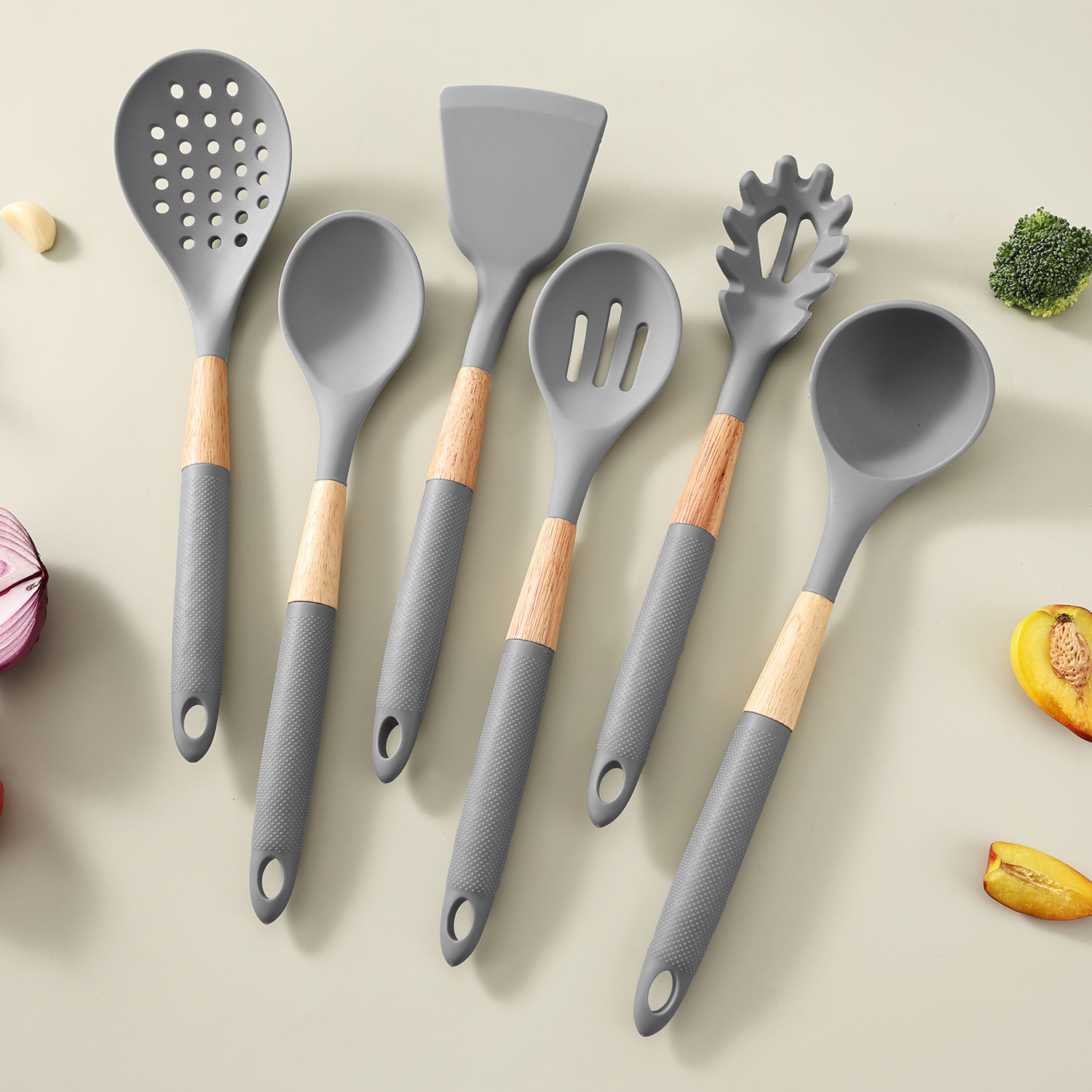
Yes. Food-grade and platinum-cured silicones are chemically inert. This means they do not react with acidic foods or release harmful chemicals (like siloxanes) under normal cooking and storage temperatures, making them significantly safer than plastics that can leach endocrine disruptors.
Like plastic, silicone is not biodegradable and will not break down in the environment naturally. However, its environmental advantage comes from its extreme longevity. A single, highly durable silicone food bag can replace thousands of single-use plastic bags over its lifetime.
Yes, but not in standard municipal recycling bins. Silicone requires specialized recycling facilities where it is depolymerized or ground down to be repurposed into industrial lubricants, playground mulch, or water-resistant coatings.


