In essence, silicones (polysiloxanes) are high-performance synthetic polymers derived from silica—the same primary component found in sand. Unlike traditional plastics derived from petroleum, silicones feature a unique backbone of alternating silicon and oxygen atoms. This chemical structure grants them exceptional thermal stability, flexibility, and chemical resistance.
For modern industries, silicones represent a safer, more durable alternative to plastic, specifically in sectors where safety and longevity are paramount, such as food-grade kitchenware, baby products, and sustainable pet accessories.
While people often confuse "silicon" (the chemical element) with "silicone" (the polymer), the difference is vital. Silicon is a natural element, while silicone is a man-made material created by reacting silicon with oxygen, carbon, and hydrogen.
Thermal Resilience: Silicones maintain their integrity in extreme temperatures, typically ranging from -60°C to over 230°C (-76°F to 446°F).
Biocompatibility: They are generally inert, meaning they do not react with food or beverages and do not outgas toxic fumes.
Durability: Unlike plastic, which becomes brittle over time, silicone remains flexible and resistant to UV and ozone exposure.
Safety Profile: High-quality silicones are BPA-free, Phthalate-free, and Lead-free, meeting rigorous FDA and LFGB (European) standards for food contact.
When evaluating materials for manufacturing or consumer use, the comparison usually falls between silicone and standard plastics like Polypropylene (PP) or Polyethylene (PE).
| Feature | Silicone | Traditional Plastic (PVC/PP) |
| Raw Material | Silica (Sand) | Petroleum/Crude Oil |
| Heat Resistance | High (Up to 230°C+) | Low (Often melts/deforms >100°C) |
| Chemical Leaching | Non-reactive / Inert | Potential BPA/Phthalate leaching |
| Environmental Impact | Highly durable; recyclable at specialized plants | Often single-use; breaks into microplastics |
| Flexibility | Naturally flexible without additives | Often requires toxic plasticizers for flexibility |
| Texture | Soft, "skin-like" touch | Hard or "waxy" feel |
Silicones have moved beyond industrial sealants to become the gold standard for finished consumer goods. Because they are easy to mold and can be produced in various "durometers" (hardness levels), they are ideal for:
Baby Feeding Gear: Suction bowls, soft-tip spoons, and teethers are preferred in silicone because they are gentle on gums and can be boiled for sterilization.
Kitchen Innovation: From air fryer liners to collapsible colanders and baking molds, silicone’s non-stick properties and heat resistance have revolutionized home cooking.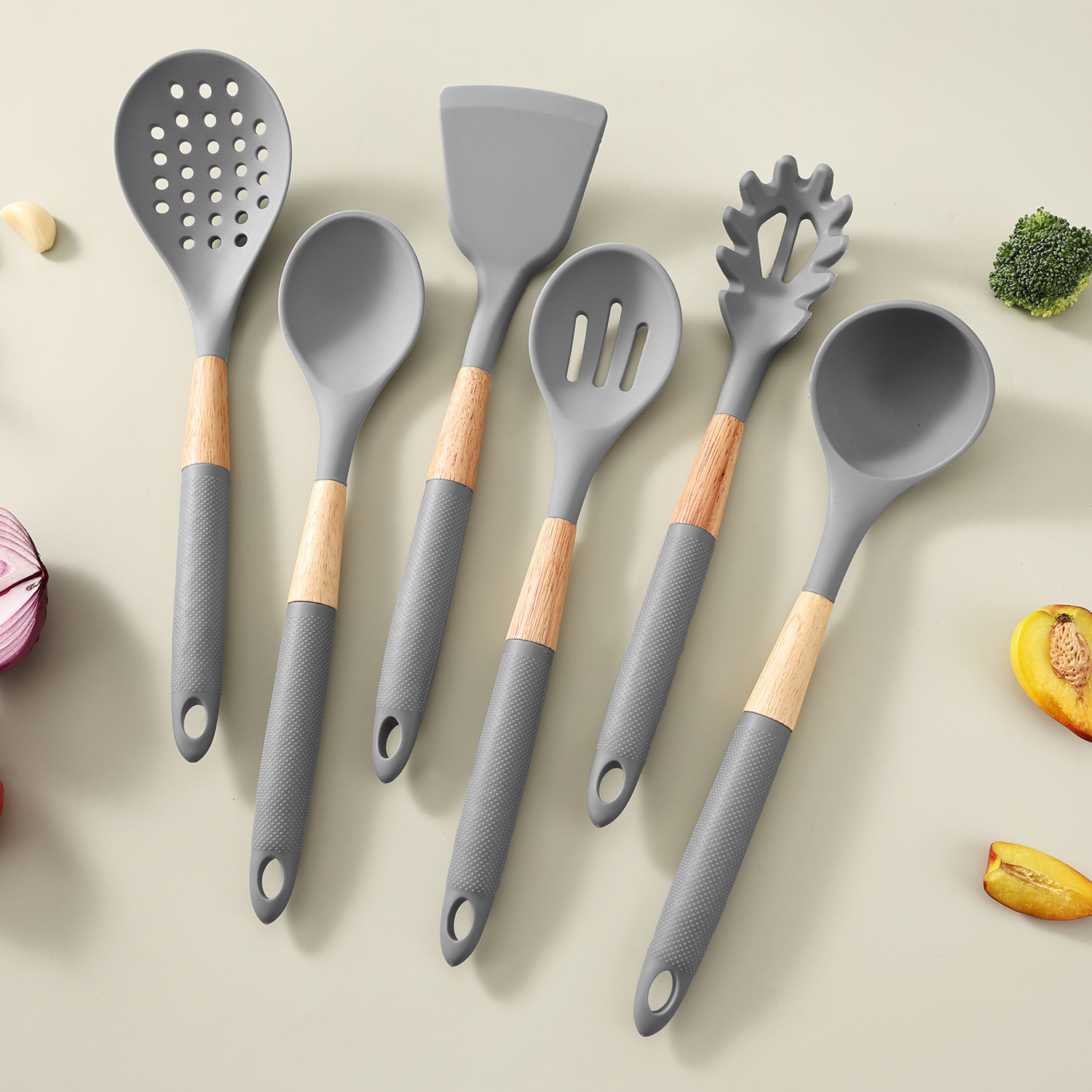
Pet Accessories: Non-slip feeding mats and collapsible travel bowls take advantage of the material’s portability and easy-clean nature.
Sustainable Living: Reusable silicone storage bags and stretch lids are actively replacing single-use "cling wrap" and plastic baggies.
Yes. Silicone is chemically inert and does not leach chemicals into food, even when heated. It is free from BPA, BPS, and phthalates, which are common concerns in plastic manufacturing.
Generally, yes. Most food-grade silicone is designed to withstand the high heat of dishwashers and the radiation of microwaves without melting or degrading. Always check for a "Microwave Safe" stamp on the specific product.
While not biodegradable, silicone is considered "ocean-friendly." It does not break down into microplastics like traditional plastic does. Because of its extreme durability, one silicone product can replace hundreds of single-use plastic alternatives, significantly reducing waste.
High-quality silicone (often referred to as "Platinum Cured") will not change color when twisted or pinched. If you see white "fillers" appearing when you stretch the material, it may contain lower-quality additives.


