Bottom Line: To quickly evaluate a silicone factory's quality, look for three core indicators: verified international food-grade certifications (such as FDA or LFGB), strict in-house quality control (including anti-odor and durability checks), and a specialized manufacturing environment. Choosing a transparent, experienced manufacturer ensures safe, high-performing products whether you are sourcing in bulk for retail or selecting items for everyday home use.
Evaluating silicone quality can be tricky. Unlike plastic or metal, silicone's true grade isn't always obvious at first glance. Whether you are an everyday shopper looking for safe kitchenware or a B2B procurement buyer searching for a reliable manufacturing partner, here is a practical, straightforward guide to spotting top-tier silicone factory quality.
1. Look for Verified Food-Grade Certifications
Safety is the number one priority for silicone products, especially baby items and kitchenware.
-
The Standard: Reliable factories readily provide compliance reports from recognized labs such as FDA (US) or LFGB (European Union).
-
What to Avoid: Suppliers who are vague about their raw material sources or hesitant to share recent third-party test reports.
2. Assess Physical Quality (The Simple Tests)
You don't need a chemistry lab to test silicone quality. You can check it using everyday methods:
-
The Pinch & Pull Test: High-quality silicone is flexible and resilient. When you stretch or pinch it, it should not turn white or show stress marks at the fold. Low-grade fillers cause silicone to weaken and discolor.
-
The Odor Test: Premium silicone is virtually odorless. If a product has a strong chemical or pungent plastic smell right out of the package, it indicates poor curing processes or cheap additives.
-
The Heat Resistance Check: Quality silicone can withstand high temperatures (up to 200°C–230°C or more) without melting, warping, or leaching odors.
3. Examine Manufacturing Craftsmanship & Finish
A factory's production standards reflect directly on its finished goods:
-
Clean Edges: Look for smooth parting lines with no rough edges, excess flashing, or sticky residue. Precise mold injection results in clean, uniform products.
-
Surface Consistency: High-grade silicone has a smooth, matte finish that doesn't feel overly greasy or attract dust too easily.
Quick Comparison: High-Quality vs. Low-Quality Silicone
| Evaluation Feature |
Reliable Silicone Factory & Products |
Unreliable Factory & Products |
| Material Standard |
100% food-grade silicone, passes FDA/LFGB |
Mixed with low-cost fillers (plasticizers/cheaper rubber) |
| Smell & Touch |
Odorless, smooth matte texture, pleasant touch |
Strong chemical odor, sticky or overly shiny surface |
| Flexibility / Stress |
Stretches without turning white; springs back instantly |
Turns white when stretched; loses shape easily |
| Quality Control |
Rigorous multi-step inspection (trimming, cleaning, testing) |
Minimal inspection; frequent surface flaws and rough edges |
About Kangde Silicone Co., Ltd.
When seeking a manufacturing partner that checks every box for quality, safety, and reliability,
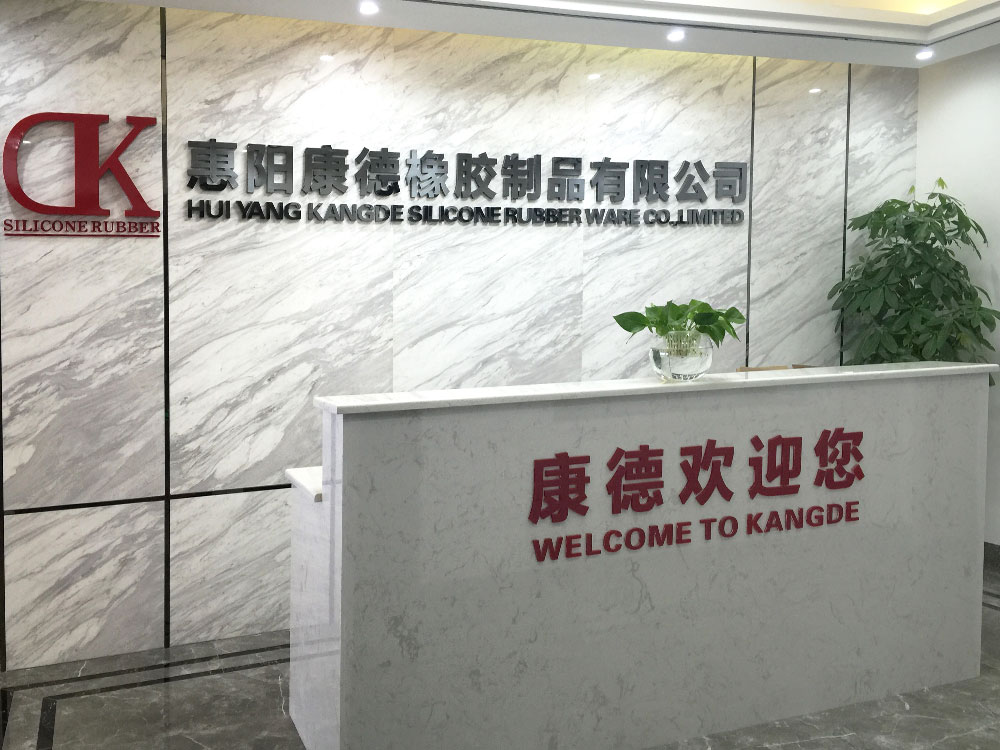
Kangde Silicone Co., Ltd. stands out as an industry leader. Based in Huizhou, China, we specialize in manufacturing a wide range of finished food-grade silicone products—including baby feeding sets, teethers, bakeware, and daily kitchen essentials. Backed by advanced molding technology, strict in-house quality control, and full international compliance (FDA and LFGB), we deliver safe, eco-friendly, and custom OEM/ODM solutions to global brands and retail buyers worldwide.
Frequently Asked Questions (FAQ)
Q1: How can I tell if a silicone product is safe for food use?
A: Check for FDA or LFGB compliance markings and ask the supplier for recent test reports. Additionally, safe food-grade silicone should pass the pinch test (no white stress marks) and have no chemical odor.
Q2: Why do some silicone kitchen items attract dust easily?
A: Pure silicone can have a slight static charge that attracts dust out of the box. However, high-quality products usually undergo an anti-static surface treatment or matte coating during manufacturing to minimize dust retention.
Q3: Can a silicone factory customize products with our brand logo?
A: Yes. Professional manufacturers offer OEM and ODM services, allowing you to customize colors, dimensions, packaging, and embossed or debossed logos using custom steel molds.