For commercial B2B production and consumer-grade product manufacturing, the most efficient method is using two-part liquid silicone rubber (LSR) via room-temperature vulcanization (RTV-2) or liquid injection molding.
To make a high-quality silicone mold, you must create a master pattern, construct a secure mold housing, mix liquid silicone with its curing agent at a precise ratio, vacuum-degas the mixture to eliminate micro-bubbles, pour it over the pattern, and allow it to cure.
While liquid pourable silicone is the gold standard for intricate, durable, and production-ready molds (such as baby toys, kitchenware, and pet accessories), high-consistency rubber (HCR) compression molding is preferred for mass factory production, and silicone putty serves as a quick solution for simple, flat-surface DIY applications.
Selecting the appropriate raw material impacts durability, detail replication, and production scaling.
| Silicone Type | Best For | Pros | Cons | Ideal Industries |
| Liquid Silicone (RTV-2) | Intricate 3D shapes, deep undercuts, multi-part molds | Extreme detail accuracy, self-leveling, long shelf life | Requires 4–24 hours curing, needs precise mixing scales | Consumer goods, OEM/ODM baby products, bakeware |
| Silicone Putty | Quick replication, flat-backed items, vertical surfaces | Fast cure time (15–30 mins), no mixing equipment needed | Low tear strength, poor performance on complex undercuts | Prototyping, hobbyist crafts, simple food molds |
| High-Consistency Rubber (HCR) | High-volume industrial mass manufacturing | Extremely cost-effective at scale, ultra-high tear strength | Requires heavy factory machinery (compression molds) | Mass-market consumer items, industrial gaskets |
For B2B buyers and brands developing custom finished consumer products (like FDA-grade baby teether molds or LFGB-compliant kitchen utensils), the Pourable Liquid RTV-2 Platinum-Cure Method delivers the most reliable, non-toxic results.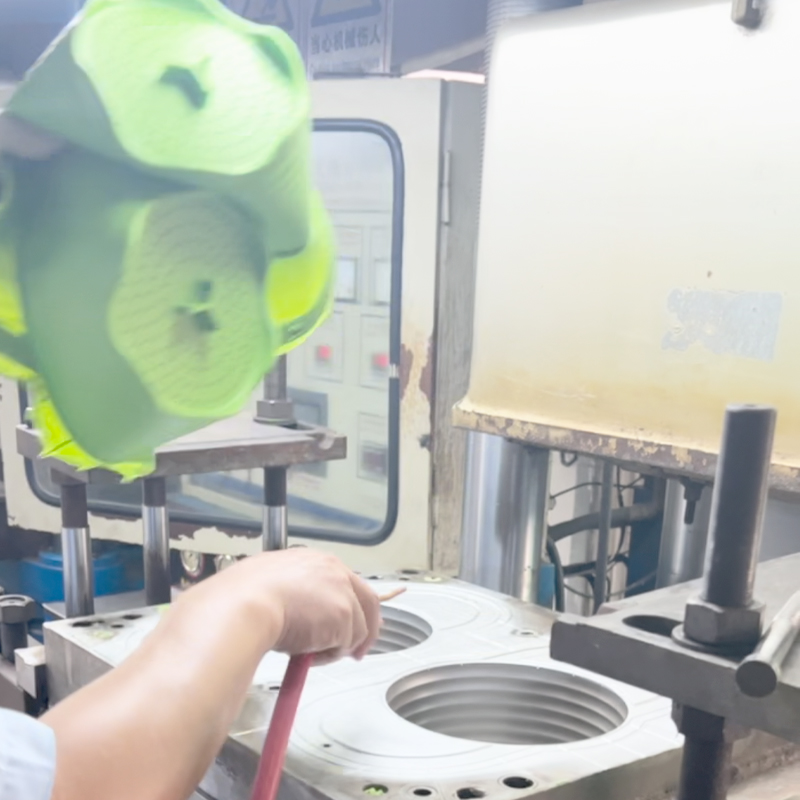
The final silicone product is only as good as the original model. Factories use high-precision CNC machining or industrial 3D printing (SLA/resin) to create a perfect master pattern.
Important Note on Chemistry: If using 3D-printed resin patterns, ensure they are fully cured and sealed. Uncured UV resins can cause cure inhibition in platinum-cure silicones, leaving the mold gummy and ruined.
Secure the master pattern inside an enclosure (the mold box) made of non-porous material like acrylic, PMMA, or sealed wood. Hot glue is used to seal every edge to prevent the liquid silicone from leaking out. Ensure a 1-2 cm gap exists between the pattern and the walls to provide sufficient structural thickness for the final mold.
Platinum-Cure Silicone (Addition Cure): The industry standard for high-end consumer goods. It features zero shrinkage, excellent long-term stability, and satisfies FDA and LFGB food-safety standards.
Tin-Cure Silicone (Condensation Cure): Less expensive and highly resistant to tearing, but shrinks over time and is not food-safe. Primarily used for industrial plaster, concrete, or polyurethane resin casting.
Liquid silicone consists of Part A (base) and Part B (catalyst).
Measure the parts accurately by weight (usually a 1:1 or 10:1 ratio depending on the manufacturer).
Mix thoroughly for 3 minutes, scraping the bottom and sides of the container.
Place the mixture into a vacuum degassing chamber at 29 inHg to extract trapped air. Bubbles trapped on the mold surface create structural flaws and surface defects on the final molded product.
Pour the degassed silicone slowly into the lowest point of the mold box, allowing the liquid to naturally rise over the master pattern. This prevents new air pockets from forming. Allow it to cure at room temperature (23℃) for the manufacturer-recommended duration (typically 12 to 24 hours).
When a business transitions from a validated prototype to mass-market commercial distribution, manual liquid pouring becomes inefficient. Industrial factories scale up manufacturing using advanced thermal processing techniques:
[Master Design/CAD] ➔ [CNC Steel/Aluminum Mold Core] ➔ [High-Volume Production Engine]
                                                             ├──> Liquid Injection Molding (LIM)
                                                             └──> Compression Molding (HCR)
Liquid Injection Molding (LIM): Automated machines pump two-part liquid silicone through static mixers into heated steel mold cavities. This process yields ultra-fast cycle times (seconds per piece) and is optimal for high-precision, high-volume production of finished items like baby bottle nipples and intricate medical-grade components.
Compression Molding: High-Consistency Rubber (HCR) sheets are manually placed into a heated metal mold tool. A hydraulic press clamps the mold shut, using heat and pressure to vulcanize the silicone into its final shape. This is the most cost-effective method for standard consumer goods like baking mats, protective sleeves, and pet bowls.
This is caused by cure inhibition. Certain materials prevent the silicone chemical reaction from completing. Common culprits include sulfur-based modeling clays, latex gloves, certain moisture-cure adhesives, and uncured SLA 3D printing resins. Always use platinum-safe or sealed materials for your master pattern.
To ensure food safety, you must use 100% Platinum-Cure Liquid Silicone that carries explicit compliance documentation for FDA (21 CFR 177.2600) or LFGB (European standard) testing. After curing, industrial molds often undergo a post-cure baking process at 150℃ to 200℃ for several hours to volatize any remaining low-molecular-weight residues.
Silicone flexibility is measured on the Shore A hardness scale:
Shore 10A - 20A: Very soft and stretchy. Ideal for deep undercuts and fragile master patterns.
Shore 30A - 40A: Medium firmness. Great for standard flat molds, baby toys, and kitchenware requiring structural integrity.
Shore 50A and above: Firm and rigid. Used for large molds where structural deformation under weight must be minimized.
Depending on the casting material, a high-quality RTV-2 platinum silicone mold can yield anywhere from 50 to 200+ castings. Abrasive materials like concrete or chemically aggressive resins (such as polyurethane or epoxy) degrade the mold surface faster than wax, chocolate, or plaster.


