Food-grade silicone is designed for safe contact with food, while medical-grade silicone is evaluated for use in medical applications where contact with the human body may create specific biological risks. Neither grade is automatically suitable for every application. The right choice depends on how the product will be used, the applicable standards, and the supporting test reports.
For kitchenware, baby feeding products, and food storage items, food-grade silicone is usually the appropriate choice. For medical tubing, catheters, and other medical devices, manufacturers may need medical-grade materials with additional biocompatibility testing and documentation.
Although both grades can be made from silicone, they are intended for different applications and may require different testing and quality controls.
| Comparison | Food-Grade Silicone | Medical-Grade Silicone |
|---|---|---|
| Main purpose | Contact with food and beverages | Medical and healthcare applications |
| Common products | Baby bowls, spatulas, baking molds, food storage items | Medical tubing, seals, catheters, device components |
| Main safety focus | Suitability for the intended food-contact conditions | Biological safety for the intended type and duration of body contact |
| Relevant standards | FDA food-contact requirements, EU food-contact rules, LFGB testing where applicable | ISO 10993 evaluation where applicable, plus relevant device-specific requirements |
| Testing focus | Applicable food-contact migration and other required tests | Relevant biocompatibility tests based on intended use |
| Typical buyers | Kitchenware brands, baby product brands, importers, distributors | Medical device manufacturers and healthcare suppliers |
Important: These are not universal certification checklists. The exact requirements depend on the destination market, product design, intended use, and applicable regulations.
Food-grade silicone is silicone intended to meet the applicable safety requirements for contact with food. It is widely used in products such as:
Baby feeding bowls, plates, and spoons
Baking mats and cake molds
Food storage lids and containers
Kitchen utensils and other reusable food-contact products
For example, in the United States, FDA regulation 21 CFR 177.2600 covers certain rubber articles intended for repeated use in contact with food. Compliance depends on the material, product, and conditions of use—not simply on the word “silicone.”
In Europe, food-contact materials must meet the applicable EU requirements, and additional national requirements or testing may apply. LFGB testing is often requested for products intended for the German market.
What should buyers check? Ask for relevant test reports and confirm that they cover the actual material, intended food-contact use, and finished product where required.
Medical-grade silicone is intended for medical applications that may require additional controls over material quality, manufacturing, and biological safety.
Depending on the application, medical silicone may be used in:
Medical tubing and fluid-handling components
Catheters and other patient-contacting products
Medical device seals and gaskets
Selected healthcare and diagnostic equipment components
The key difference is not simply that medical-grade silicone is “purer.” Its suitability must be evaluated against the specific medical application.
The FDA references the ISO 10993 series when assessing the biological safety of medical devices. Testing requirements depend on factors such as the type of body contact and how long the device contacts the body. Not every medical product requires the same tests.
For medical product buyers: Request application-specific biocompatibility evidence, material documentation, manufacturing controls, and relevant traceability records. Do not assume that a generic certificate proves suitability for every medical use.
The best grade depends on your product and its intended use.
| Your Product | Recommended Starting Point |
|---|---|
| Silicone baby bowls and feeding spoons | Food-contact-compliant silicone |
| Silicone baking molds and kitchen utensils | Food-contact-compliant silicone |
| Reusable food storage products | Food-contact-compliant silicone |
| Medical tubing or patient-contacting components | Medical-grade material evaluated for the intended application |
| Custom silicone seals for industrial equipment | A grade selected according to operating conditions and customer specifications |
For OEM and ODM buyers, material selection should be confirmed before tooling and mass production. Choosing a grade that does not match the intended application can lead to additional testing, delays, and unnecessary costs.
Whether you are a consumer or a wholesale buyer, do not rely on marketing claims alone.
Before placing an order, check the following:
Ask for the applicable standard. Confirm whether the product needs to meet FDA food-contact requirements, LFGB testing, EU requirements, ISO 10993 evaluation, or another relevant standard.
Review the test reports. Check the tested material or product, test methods, results, and laboratory details.
Confirm the intended use. A material suitable for food contact is not automatically suitable for medical use.
Check production consistency. For bulk orders, ask how the supplier controls raw materials, production processes, and finished-product quality.
Confirm documentation for your market. Requirements can differ between the United States, Europe, and other destinations.
A certificate or test report should be relevant to the product being purchased. A supplier's general quality certificate does not, by itself, prove that every product meets food-contact or medical-device requirements.
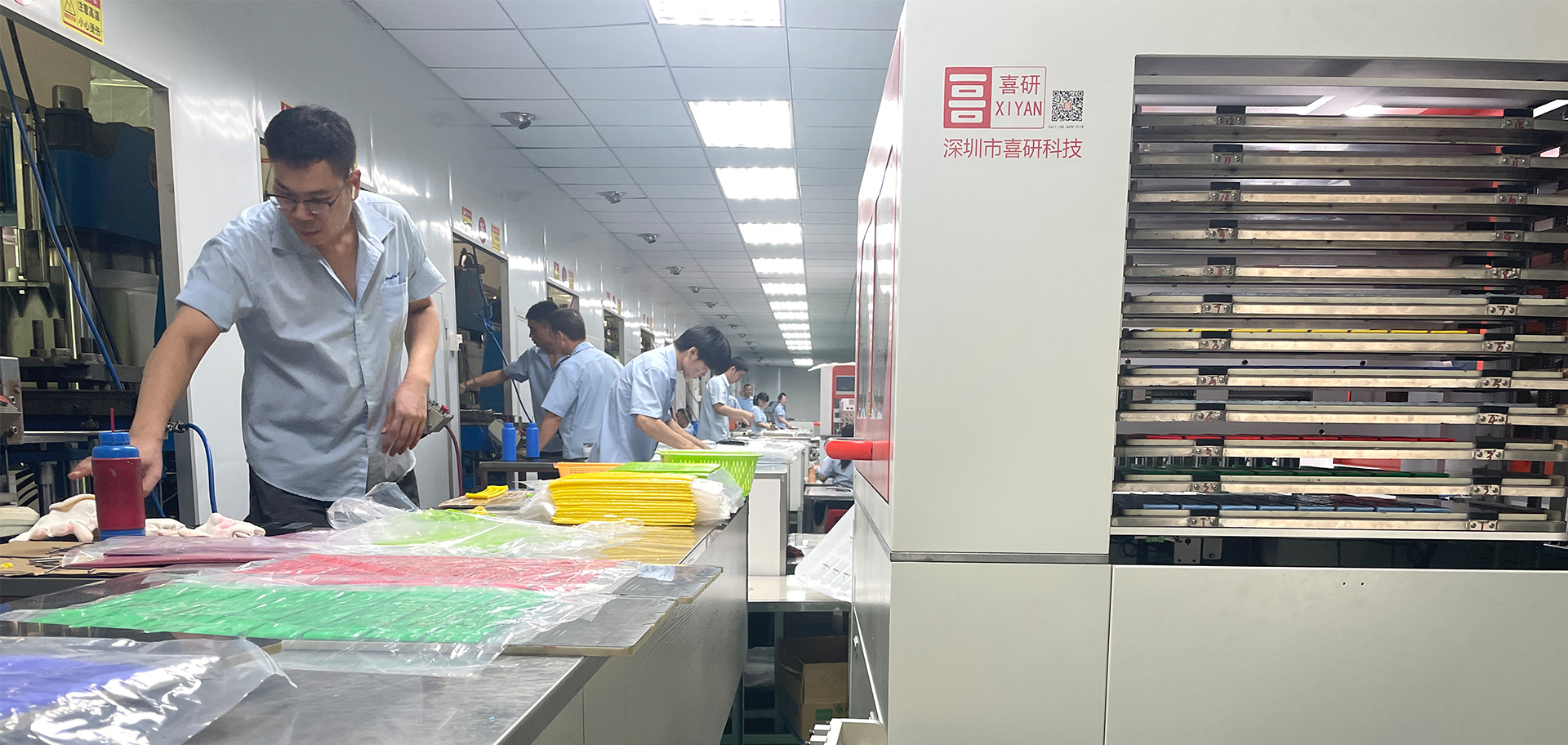
Kangde Silicone is a China-based silicone products manufacturer serving B2B buyers, including importers, distributors, and brands looking for OEM and ODM solutions. Our product range includes silicone kitchenware, baby products, pet supplies, daily-use products, and customized silicone components.
We support product development from design and mold making to manufacturing, quality inspection, branding, and packaging. For food-contact products, buyers can discuss material requirements and applicable compliance documentation with our team before production.
If you are developing a private-label silicone product or planning a bulk order, selecting the right material and confirming the required testing at the beginning can help reduce avoidable costs and delays.
Not necessarily. Medical-grade silicone is evaluated for specific medical applications, while food-grade silicone is intended to meet applicable food-contact requirements. Safety depends on whether the material and finished product are suitable for their intended use.
Not automatically. Medical applications may require additional biocompatibility evaluation, manufacturing controls, and documentation. The requirements depend on the device and how it contacts the body.
Only if the material and finished product are also suitable for the intended food-contact conditions. A medical-grade designation alone does not establish food-contact compliance.
FDA-related food-contact compliance refers to applicable US requirements, while LFGB is German food and consumer goods legislation commonly associated with food-contact testing. They are not interchangeable labels, and the relevant requirements depend on the product and market.
BPA is not the defining ingredient of silicone, and silicone products are generally not made from BPA-based plastics. However, “BPA-free” alone does not prove overall product safety or food-contact compliance. Buyers should verify the material composition and relevant test reports.
Depending on your product and market, request the material specification, applicable food-contact or biocompatibility test reports, quality-control documentation, and batch traceability records where required. Confirm that the documents match the actual product and intended application.
Choose food-grade silicone for products intended for food contact and application-appropriate medical-grade silicone for medical devices. Always verify the relevant requirements and test evidence instead of relying on the grade name alone.
For custom silicone products, discuss the intended use, target market, material requirements, and testing expectations with your manufacturer before confirming the order.