FDA and LFGB are both important references for evaluating the safety of food-contact silicone, but neither is automatically better in every situation. FDA requirements are particularly relevant for products sold in the United States, while LFGB-related testing is often requested for products entering the German market. The right choice depends on your target market, product type, intended use, and testing requirements.
For importers and wholesalers, understanding the difference helps you select suitable silicone products, reduce compliance risks, and avoid unnecessary testing costs.
FDA stands for the U.S. Food and Drug Administration. Its food-contact requirements specify which substances may be used in certain applications and under what conditions.
LFGB stands for Germany's Food, Consumer Goods and Feed Code. For silicone products, buyers often request testing against applicable German food-contact requirements, with the German Federal Institute for Risk Assessment (BfR) Recommendation XV commonly used as a technical reference.
| Comparison | FDA | LFGB |
|---|---|---|
| Main market | United States | Germany |
| Regulatory framework | Applicable U.S. food-contact regulations | German food and consumer goods law, alongside applicable EU rules |
| Common application | Silicone kitchenware, food-contact items, and relevant components | Silicone kitchenware, baby feeding products, and other food-contact items |
| Testing considerations | Applicable substance requirements and conditions of use | Relevant migration, composition, and other applicable safety requirements |
| Buyer priority | Confirm compliance with applicable U.S. requirements | Confirm compliance with applicable German and EU requirements |
| Key document | Relevant compliance documentation and test reports | Relevant compliance documentation and test reports |
Important: LFGB is not simply a universal certification, and FDA compliance is not a blanket approval for every silicone product. Requirements depend on the product, material, and intended conditions of use.
Official references: FDA food-contact substance information and BfR Recommendations on Food Contact Materials.
Neither label alone proves that one silicone product is safer than another.
Both frameworks address food-contact safety, but their requirements and evaluation methods are not identical. A product should be evaluated using the rules and test conditions relevant to its intended use.
When comparing suppliers, do not rely only on claims such as “FDA approved” or “LFGB certified.” Instead, check:
Material suitability: Is the silicone formulation intended for the product's specific food-contact application?
Test reports: Are the reports relevant to the actual product or material being purchased?
Temperature resistance: Is the product suitable for its intended use, such as baking, boiling, freezing, or microwave heating?
Traceability: Can the supplier identify the tested material, product specification, and applicable batch or production controls?
For products sold in the European Union, buyers should also consider the general requirements of Regulation (EC) No 1935/2004 and applicable good manufacturing practice requirements. See the European Commission's food-contact materials guidance.
The best approach is to begin with your destination market rather than automatically choosing the most expensive test.
Selling in the United States: Ask your supplier to identify the applicable FDA food-contact requirements for your specific silicone product.
Selling in Germany: Confirm the applicable LFGB requirements and relevant silicone testing, including whether BfR Recommendation XV is appropriate.
Selling across multiple markets: Discuss a market-specific compliance plan with your supplier or testing laboratory before placing a bulk order.
Testing should be selected according to product design, material composition, intended use, and destination-market requirements. One report does not necessarily cover every product in a supplier's catalog.
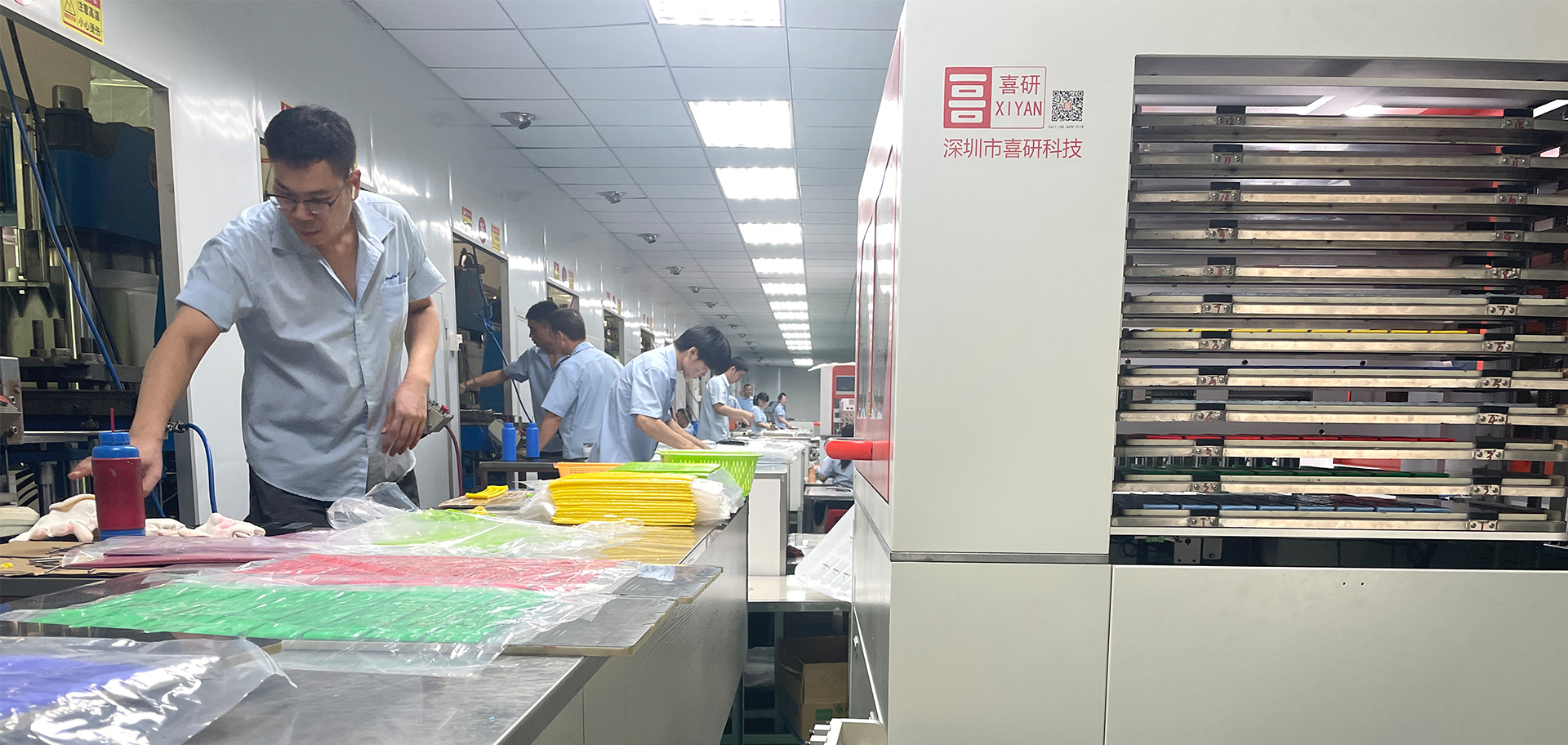
Kangde Silicone is a silicone products manufacturer with 23 years of industry experience, providing OEM and ODM services for wholesale buyers, importers, and distributors.
Our product range includes silicone kitchenware, baby products, pet supplies, daily-use items, and customized silicone products. We work with customers to clarify material specifications, intended applications, and target-market requirements, and to discuss relevant testing documentation for their projects.
Whether you need standard products or custom silicone manufacturing, confirming compliance requirements before mass production helps you make better purchasing decisions.
Contact us at sales@kangdesilicone.com to discuss your silicone product requirements.
Not necessarily. FDA and LFGB relate to different regulatory frameworks. The appropriate choice depends on where the product will be sold and which requirements apply to its intended use.
Not automatically. LFGB-related test results may provide useful safety information, but they do not replace the need to verify applicable U.S. food-contact requirements.
Not automatically. Buyers must also evaluate the applicable German and EU requirements. FDA-related documentation alone may not demonstrate compliance with all requirements for the German market.
No test or label guarantees absolute safety under every possible condition. Results must be interpreted in relation to the tested sample, test conditions, intended use, and applicable requirements.
Request relevant test reports, material specifications, intended-use information, and supporting compliance documentation. For custom or bulk orders, also confirm that the tested material and product specifications match the items being manufactured.
Final takeaway: When purchasing food-grade silicone, prioritize product-specific evidence and destination-market compliance rather than choosing a supplier based on an FDA or LFGB claim alone.