High-quality, food-grade silicone does not contain harmful chemicals. It is considered one of the safest materials for cooking, baby products, and everyday household use because it is non-toxic, heat-resistant, and chemically stable.
What Is Silicone and Why Is It Used So Widely?
Silicone is a synthetic material made from silica (sand), oxygen, carbon, and hydrogen.
Unlike plastic, silicone doesn’t rely on petroleum chemicals or plasticizers, which are often the source of toxicity concerns in other materials. Its unique stability makes it ideal for baby products, kitchenware, medical devices, and consumer goods.
Does Silicone Contain Harmful Chemicals?
1. Silicone does not contain BPA, phthalates, or PVC
These chemicals—commonly found in certain plastics—are linked to hormone disruption and health concerns.
Silicone is naturally free of them, which is why it is widely used in baby teething toys, bottle nipples, pacifiers, and baking molds.
2. Food-grade and medical-grade silicone are tightly regulated
High-quality silicone products are tested under standards such as:
FDA (U.S. Food and Drug Administration)
LFGB (Germany’s Food Contact Standard)
CE / EU food contact certifications
These ensure that silicone does not release harmful substances, even under heat or repeated use.
3. Silicone is heat-resistant and chemically stable
Good silicone can withstand -40°C to 230°C (and even higher for platinum-cured silicone).
It does not melt, break down, or leach chemicals during cooking, boiling, or sterilizing.
When Can Silicone Become Unsafe?
Even though silicone itself is safe, these situations may create risks:
1. Low-quality, filler-mixed silicone
Cheap products may mix silicone with:
industrial fillers,unknown additives,recycled silicone
Signs include white residue when bent, strong odor, or easy tearing.
These materials may degrade and release compounds that are not food-safe.
2. Overheating beyond recommended temperatures
While silicone is heat-resistant, cheap or mixed silicone can degrade when exposed to very high temperatures for long periods (e.g., above 250–300°C).
3. Poor manufacturing standards
If dyes or pigments are not food-grade, they can leach under heat or contact with oil.
How to Choose Safe Silicone Products
To avoid harmful chemicals, choose silicone that is:
✔ Platinum-cured silicone
Cleaner, safer, and more durable than peroxide-cured silicone.
✔ Certified food-grade or medical-grade
Look for FDA, LFGB, or similar testing reports.
✔ Odor-free and flexible
A strong smell or chalky white residue indicates fillers.
✔ From reputable manufacturers
Professional silicone factories produce standardized, professionally tested materials.
Why Silicone Is Trusted for Baby and Kitchen Use
Silicone’s stability and safety make it an ideal material for:
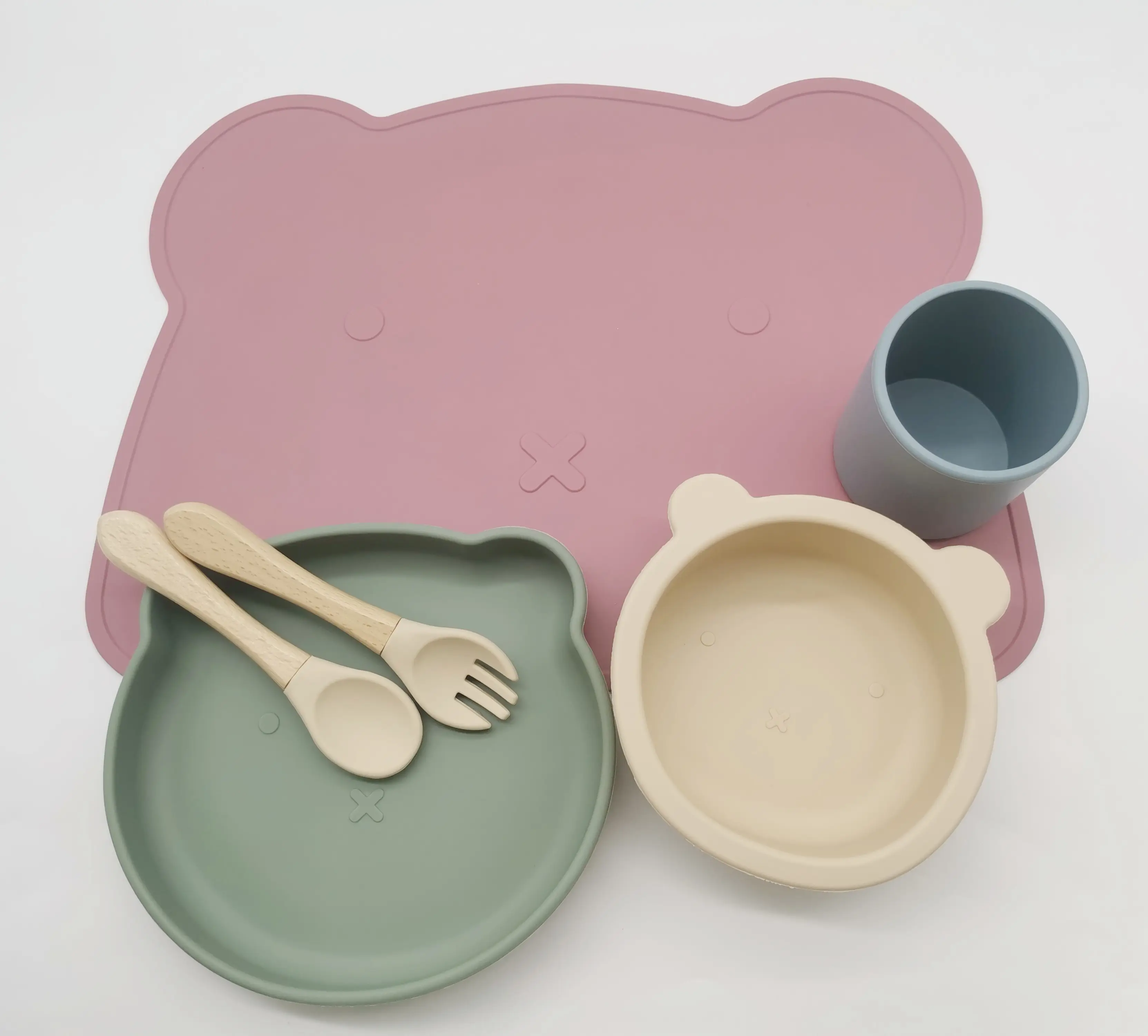
baby teethers and toys;baby feeding sets

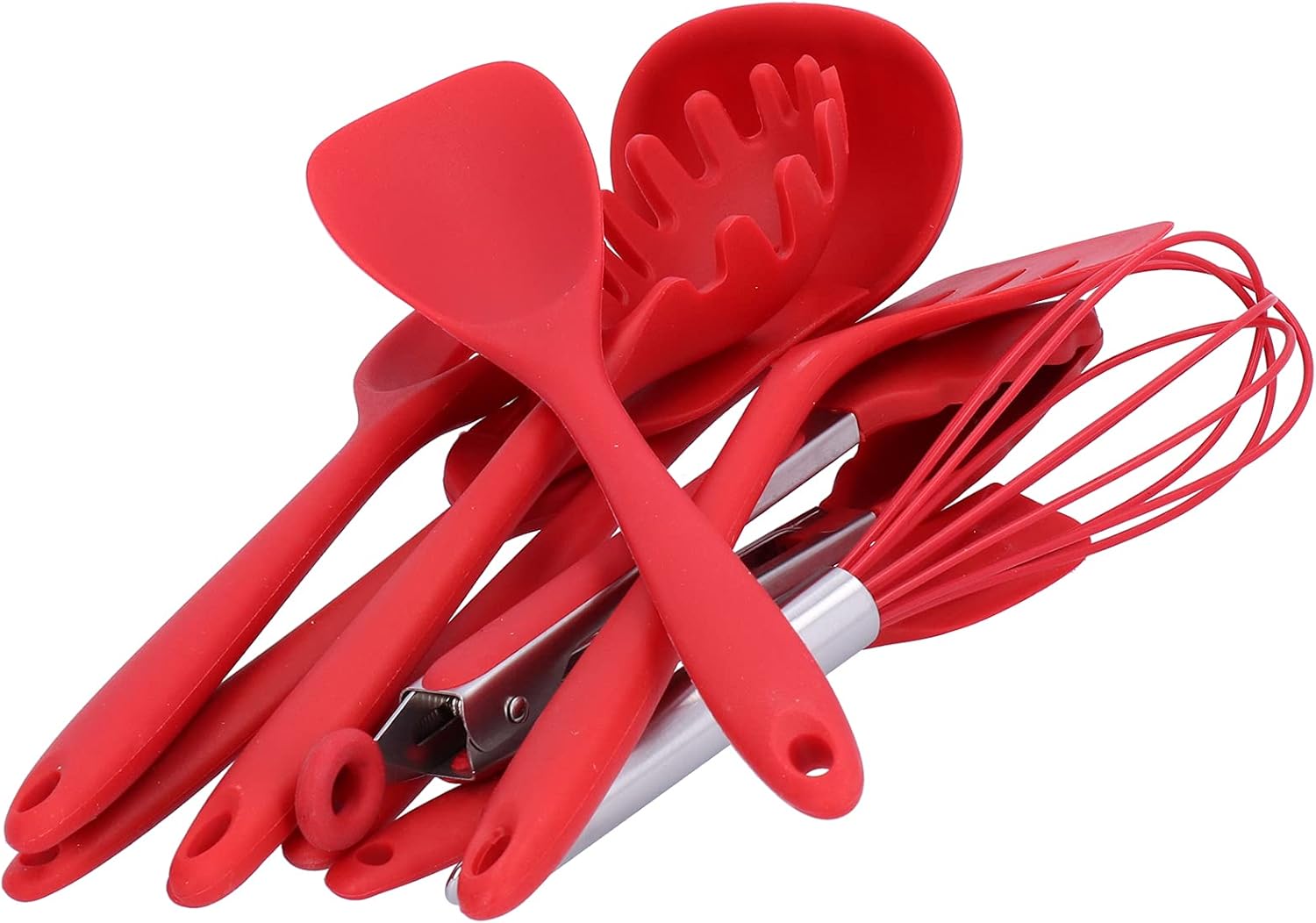
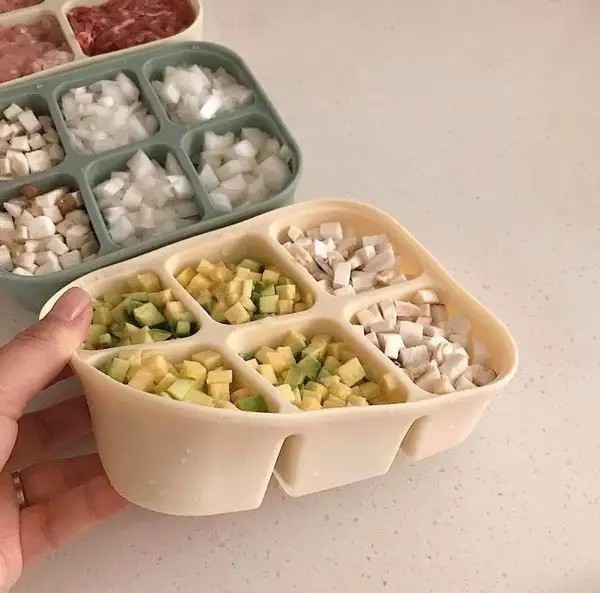
baking molds;kitchen utensils;food storage products

medical tubes and devices
Its combination of non-toxicity, durability, heat resistance, and soft texture makes it safer than many plastics.
FAQ: Are There Harmful Chemicals in Silicone?
1. Can silicone leach chemicals when heated?
High-quality food-grade silicone does not leach chemicals during normal cooking or sterilization.
2. Is silicone safer than plastic?
Yes. Silicone contains no BPA, phthalates, or PVC, and is more heat-resistant and stable than most plastics.
3. Can silicone cause allergies?
Silicone allergies are extremely rare. It is considered hypoallergenic and safe for sensitive skin.
4. Why do some silicone products smell?
A strong odor may come from poor-quality silicone or added fillers. Choose certified, food-grade silicone.
5. Is silicone eco-friendly?
Silicone lasts longer than plastic, does not break down into microplastics, and can be recycled in specialized facilities.


