➡ No — not when the silicone is pure, high-quality, and properly certified.
This is why it is widely used in baby products, kitchenware, and everyday items. Below, we will provide an in-depth explanation from aspects such as material composition, safety, and identification methods, so that users can quickly understand why silicone is so trusted.
First, we need to understand what silicone is made of.Silicone is a durable and flexible material created from:
✓Silica (derived from sand)
✓Oxygen
✓Carbon
✓Hydrogen
Because its base ingredient comes from natural silica, silicone behaves differently from plastic and contains no BPA, phthalates, PVC, lead, or latex. This is why food-grade and medical-grade silicone is widely used for products that come into direct contact with babies, food, and skin.
Does Silicone Contain Harmful Chemicals?
Pure silicone does not contain harmful chemicals.It is chemically stable, non-reactive, and safe for daily use.
Why silicone is considered safe:It does not release toxins under normal use;It stays stable in a wide temperature range;It doesn’t react with food or skin;It is odorless and non-irritating;It does not break down into microplastics.
This makes silicone one of the safest alternatives to plastic products.
⚠️ While pure silicone is safe, low-cost products may mix in fillers to reduce production expenses. These fillers reduce durability and can affect product safety.
How to identify pure silicone:
✅Stretch test: Pure silicone does not turn white when stretched
✅Smell test: It should not have a strong chemical odor
✅Heat resistance: Real silicone withstands boiling and baking temperatures
✅Texture: Soft, flexible, and smooth
Buying from trusted manufacturers ensures the material is truly food-grade or medical-grade.
Is Silicone Safe for Babies and Food Contact?
Yes — when it meets FDA, LFGB, or similar food-contact safety standards.This is why silicone is widely used for:
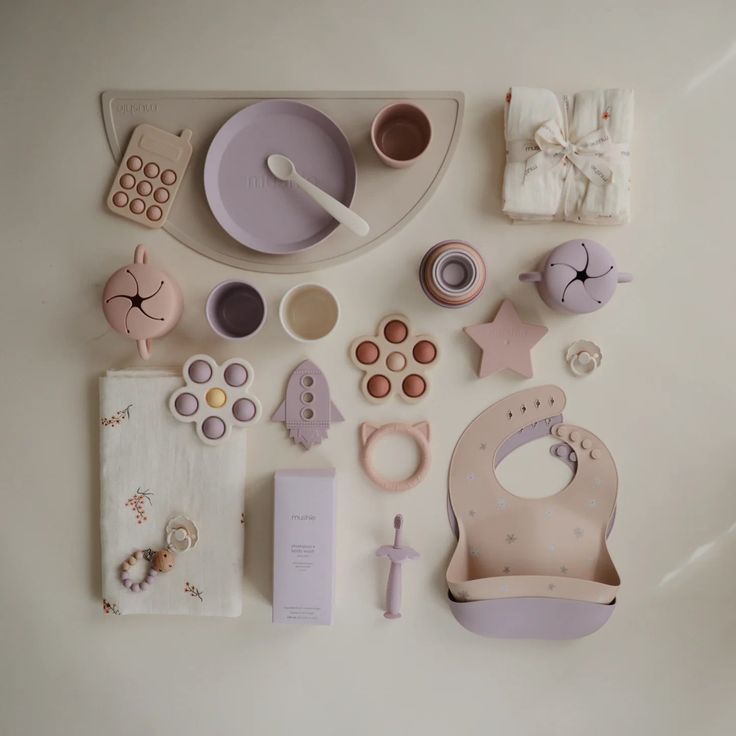
Baby plates and bowls;Teethers and sensory toys
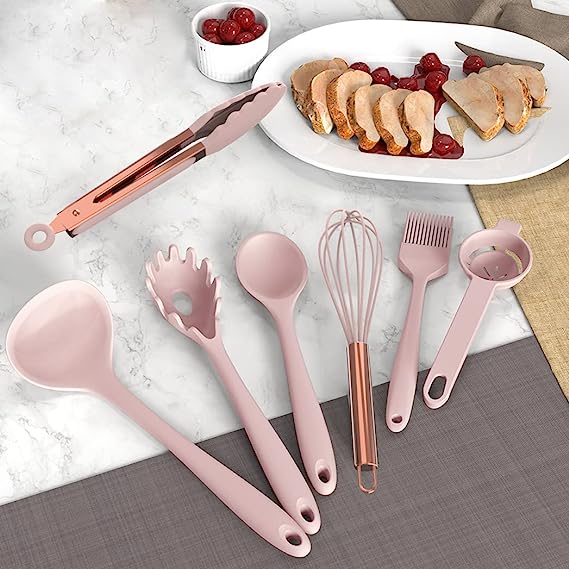
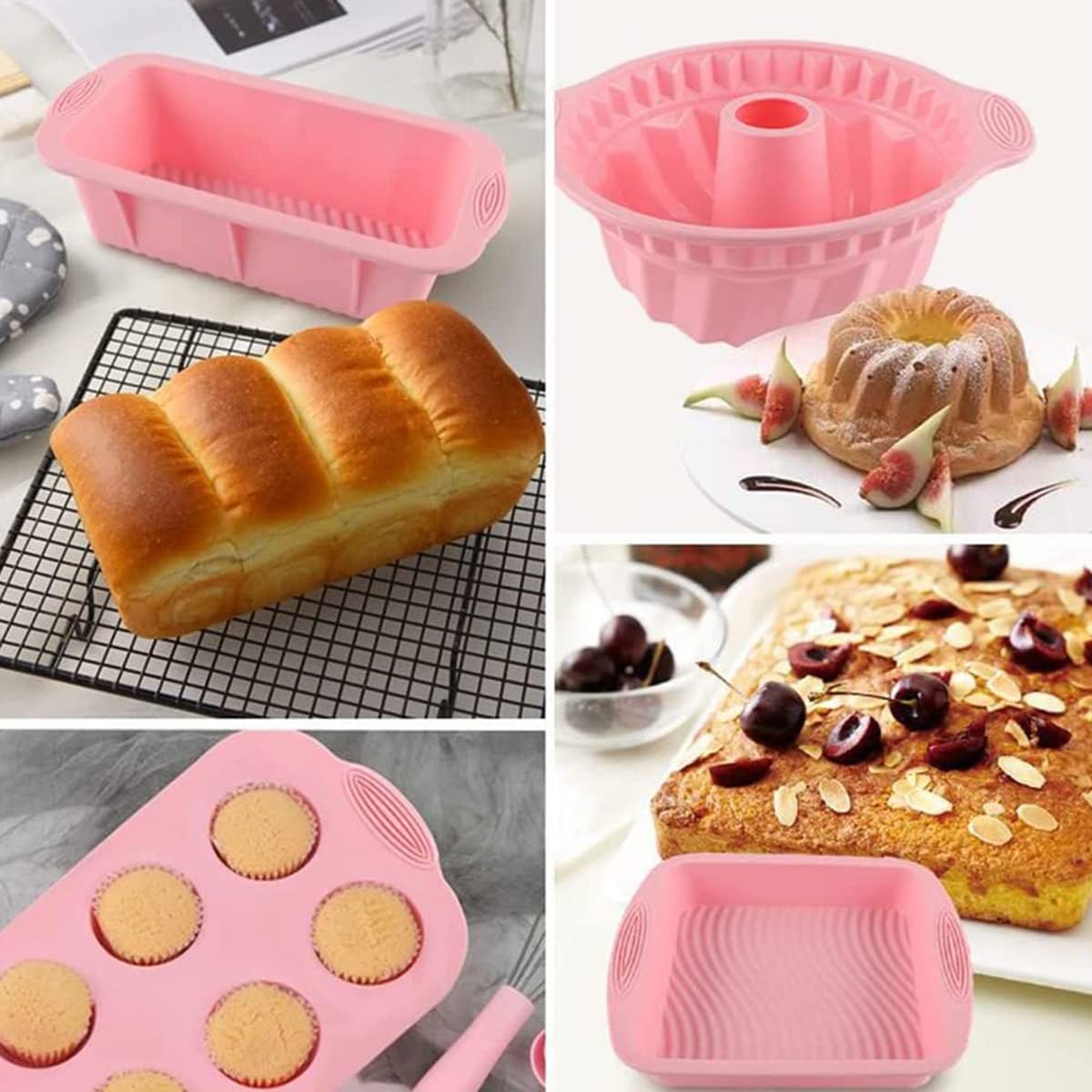
Baking molds and kitchen utensils
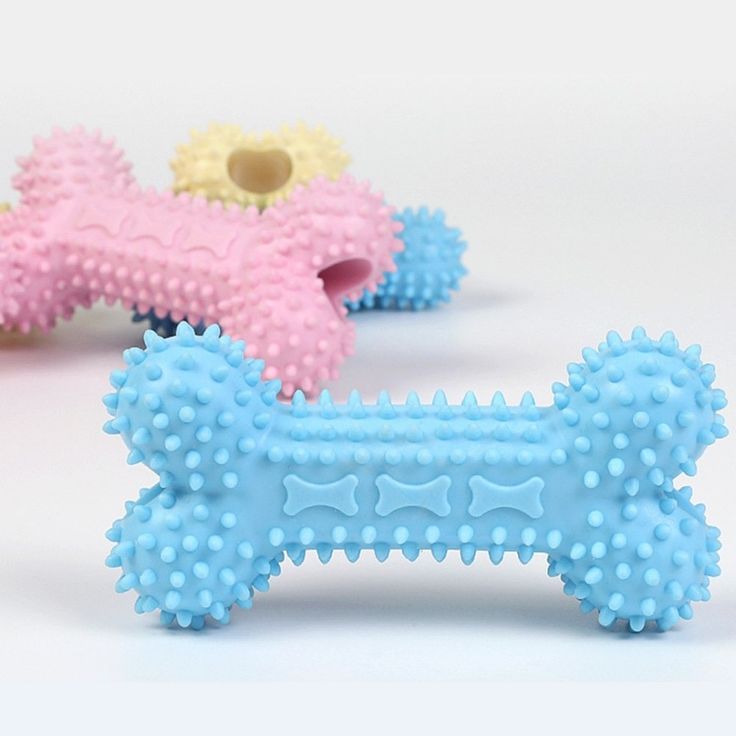
Silicone daily necessities;Pet supplies, etc.
High-quality silicone products are designed to stay safe even after repeated sterilizing, boiling, freezing, or heating.
Why Choose High-Quality Silicone Products?
Because or families and businesses, selecting reliable silicone products means:
No exposure to harmful chemicals;Better durability and resistance;Compliance with international safety standards;Safe use for infants, toddlers, and adults
Silicone baby products (teethers, feeding sets, toys);Silicone kitchenware (spatulas, molds, oven-safe tools);Household silicone items;Pet silicone toys
All products can be made using certified 100% food-grade silicone, ensuring safety for global consumers.
So, Silicone remains one of the safest materials for cookware, baby items, and everyday use. The key is choosing trusted manufacturers who use genuine food-grade silicone without fillers or additives.
FAQ: Frequently Asked Questions
1. Can silicone release chemicals when heated?
No. High-quality silicone remains stable even under high temperatures such as boiling or baking.
2. Does silicone contain BPA?
No. BPA is found in certain plastics, not in silicone.
3. Is silicone safer than plastic?
Yes. Silicone is more stable, does not release microplastics, and withstands heat better.
4. Can silicone cause allergies?
Pure silicone is hypoallergenic and rarely causes skin reactions.
5. Why does some silicone smell?
A strong chemical smell usually indicates poor-quality silicone or fillers.


