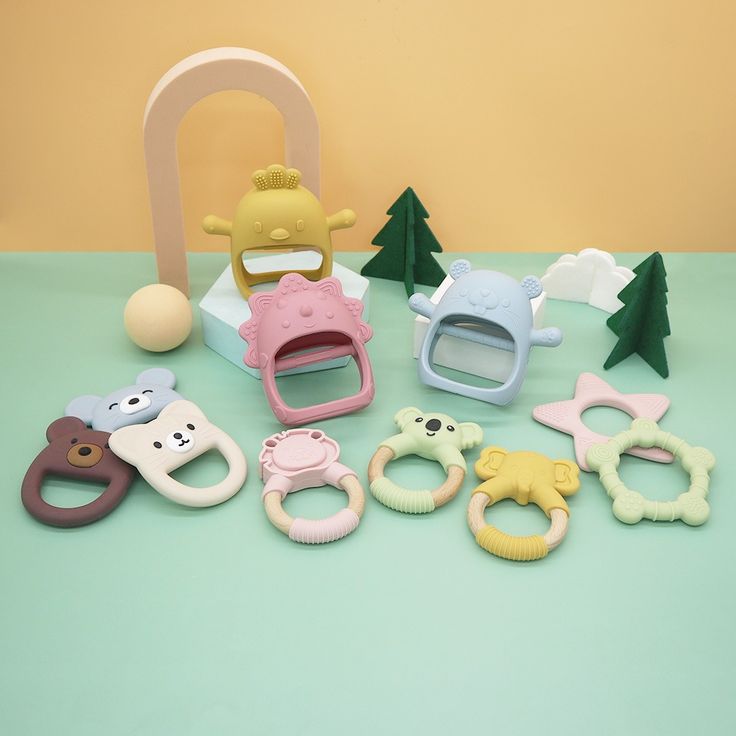
This month, we were featured discussing the benefits of sensory toys and tools for little ones. It's a quick read and super informative if you want to know a little bit more about sensory play and processing!
WHAT IS THE IMPORTANCE OF CHEWING?
The chewing, gnawing or biting of non-food items is something parents most commonly associate with babies as a stage of development they will eventually grow out of. The use of oral sensory toys during this phase works wonders for soothing a teething baby and encouraging their development.
A compulsion for chewing can extend beyond infants and toddlers however, and parents tend to be less familiar with the power of sensory tools to help older children as well as those with special needs, who require more oral sensory input than other kids.
Kangde silicone– China’s favourite silicone chews for nurturing wellbeing and curiosity. She takes a look at the reasons why kids chew;
Chewing as a form of exploration
Chewing as a form of oral development
Chewing as a form of sensory relief
and explores the power of ‘oral input devices’ across different ages, such as teethers and chewable pendants, to bring sensory relief, a safe outlet, and developmental opportunities.
CHEWING AS A FORM OF EXPLORATION AND SENSORY RELIEF FOR BABIES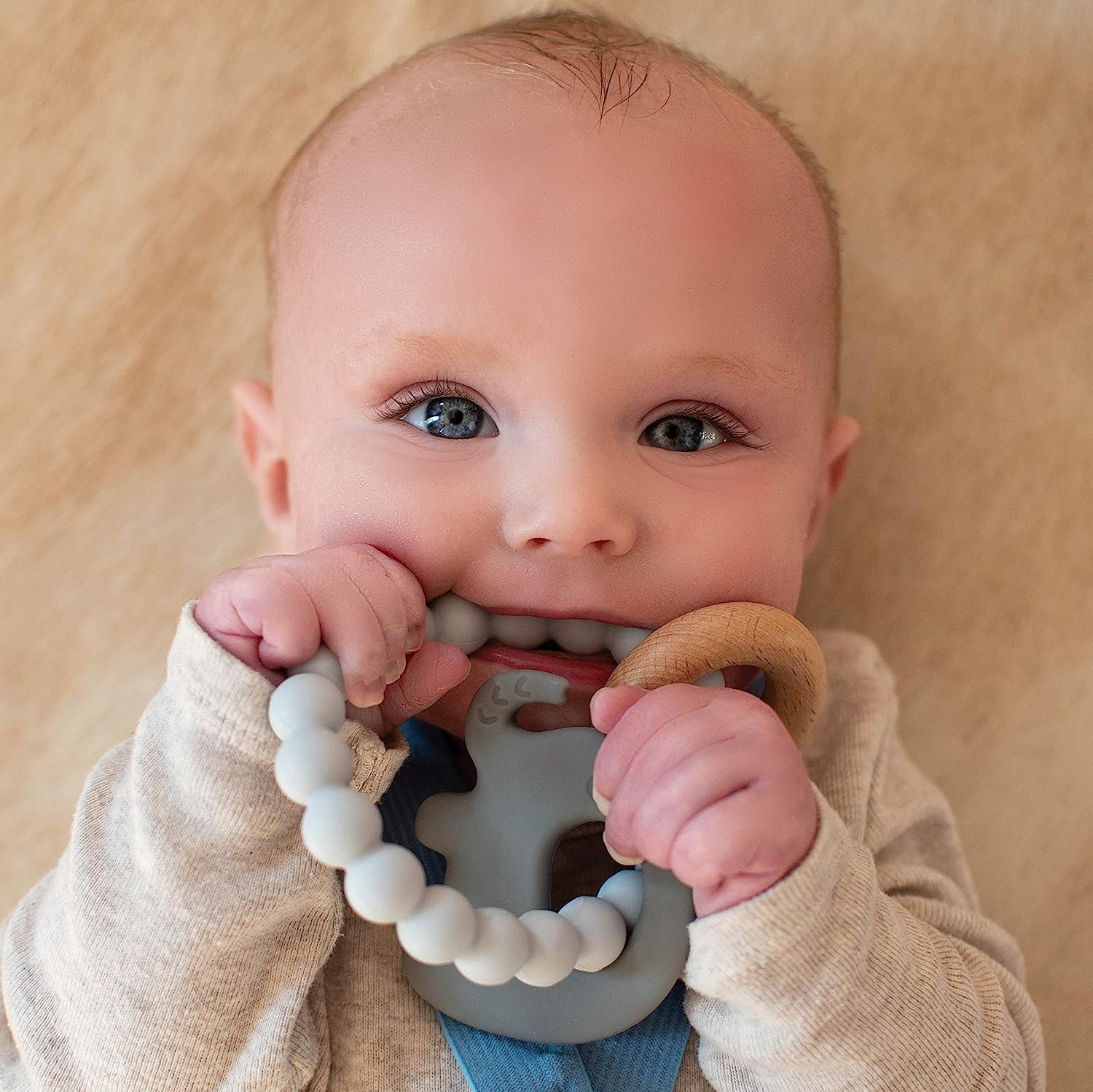
For babies and toddlers, putting things in their mouths is an inevitable stage of oral development. Exploring their new world and seeking relief from their growing pains, they’ll be sucking and biting until the cows come home!
The arrival of babies’ first teeth gradually breaking through their gums is the culprit for much of this oral fixation, and it’s not surprising that dummies and teethers continue to be an essential item in a parents’ toolkit years after. Not all chewable devices are created equal however, and you’ll want to source a non-toxic, silicone fabrication that offers optimum chewing density plus safety. Colourful and functional designs that double as toys, are ideal in enabling those comforting sensations to the gums while encouraging learning.
We’ve come a long way since the days of basic teething rings, with innovative and flexible ways to deliver that oral sensory input, and with mums’ comfort firmly in mind. Whether you’re carrying bub or breastfeeding, wearable teething devices can be a lifesaver in keeping restless babies calm and focused while giving mums their own sweet relief.
CHEWING AS A FORM OF SENSORY RELIEF IN OLDER CHILDREN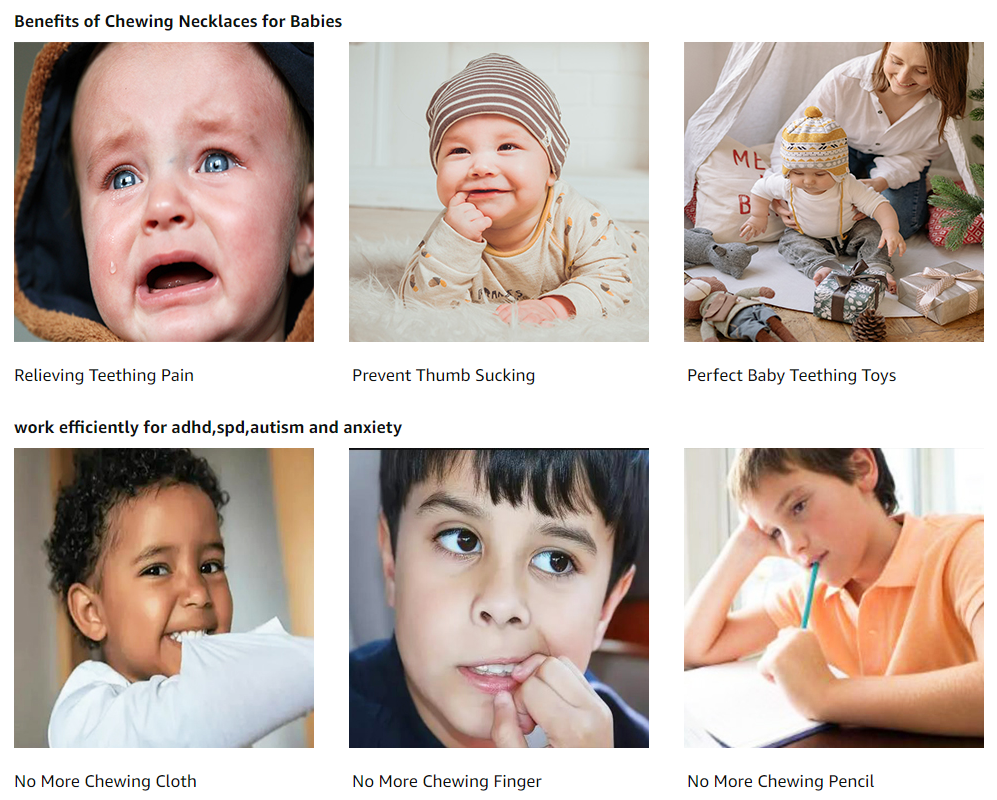
It might be you, or a parent you know, who has asked the question: ‘Why does my older child insist on chewing non-food items?’ There is an expectation that all kids will simply ‘grow out of it’, however some kids’ desire for oral sensory input will persist as a reaction to sensory overload, anxiety and stress, and as a method of relief.
To understand this better, remember that all of us require some degree of oral sensory input. You or your partner might be guilty of gnawing at the end of a pencil, biting your nails, or chewing gum, and notice it happening more frequently during periods of boredom, peak concentration, or stress. It’s called self-regulation, and is the result of us actively doing something to change our body’s level of alertness. Your child’s fixation on chewing is a way to self-regulate; effectively ‘waking up’ or calming their nervous system as the need arises.
An important distinction to make is that it’s not a matter of them wanting to chew, but rather, needing or feeling compelled to chew. More often than not, this is a sensory-related act instead of a behavioural one, so simply telling them to stop, won’t work!
With their body sending them such strong signals, they may reach for a variety of objects with little to no consideration of the harm it poses to their teeth and mouth. Therefore, giving them an outlet to satisfy this need in a safe manner is very important and will help you avoid having to replace frayed collars, shirt sleeves and pencils.
Oral input devices can serve as this outlet for toddlers and school-aged kids, while being discreet. They can take the form of pencil toppers, or wearables such as pendants and bracelets/wristbands, so there’s no need for kids to feel self-conscious or embarrassed around friends. The kids chew pendants are not merely sensory tools, they are cool accessories which double as essentials for many kids worldwide.
CHEWING AS A FORM OF DEVELOPMENT AND SENSORY RELIEF FOR KIDS ON THE AUTISM SPECTRUM
Challenges in processing sensory information is characteristic for kids on the autism spectrum. Their senses can be over- or under-sensitive, and they may require aids to increase their oral muscles during speech therapy. Occupational Therapists recommend chewable devices to provide positive stimulation and help them self-regulate during periods of anxiety, plus support their attention to task.
As we’ve explored previously, kids tend not to discriminate over objects that pose threats to their safety, so introduce a safe, chewable device at the earliest opportunity. Every time your child tries to chew on something inappropriate, remind them to bite on the chew tool instead, until they form a positive association. Wearable accessories are ideal for accompanying special needs kids wherever they go and whenever they are likely to experience heightened senses, such as meeting new people or experiencing a new event/activity.

