1. Safe and non-toxic: Silicone is a food-grade material, does not contain harmful substances, and is harmless to pets' health.
2. High temperature resistance: Silicone pet bowls can withstand high temperatures and are not easily deformed, making them suitable for placing hot food or hot water.
3. Corrosion resistance: Silicone materials are not susceptible to acid and alkali corrosion and will not produce odor.
4. Antibacterial and anti-slip: The silicone pet bowl has a smooth surface and is not easy to breed bacteria. The bottom is designed with an anti-slip function and is not easy to move.
5. Easy to clean: Silicone material is non-stick and greasy and easy to clean. It can be washed by hand or put in the dishwasher. Silicone pet bowls are suitable for a variety of pets, such as cats, dogs, etc., and are available in a variety of colors and styles. Pet owners can choose a suitable silicone pet bowl based on their pet's needs and preferences.
Silicone pet bowls are usually chew-resistant and not easily broken. Silicone is a soft but durable material that can usually withstand the force of your pet’s bite. However, whether the bite will break depends on the bite force and behavior of the pet. Some pets that particularly like to chew may use the pet bowl in different ways, which may result in the bowl being chewed. If your pet has a habit of chewing bowls, it is recommended to supervise and guide their use, and to check the condition of the pet bowl regularly to ensure that the bowl has not been chewed.
Bitten and eaten silicone pet bowls may cause some potential harm to pets. Here are the possible scenarios:
Swallowing silicone fragments: If your pet chews through a silicone pet bowl and ingests the fragments, it may cause digestive tract problems. Silicone fragments may cause gastrointestinal discomfort, vomiting, diarrhea and other digestive issues.
Choking risk: If your pet swallows many pieces of the silicone bowl, there may be a choking risk. Especially for smaller pets such as small dogs and kittens, fragments may become lodged in the throat or airway, causing suffocation.
Therefore, if a pet bites a silicone pet bowl, it is recommended to clean up the remaining pieces of the bowl immediately and observe the pet for any abnormal symptoms. If your pet becomes unwell or if symptoms worsen, please consult your veterinarian promptly.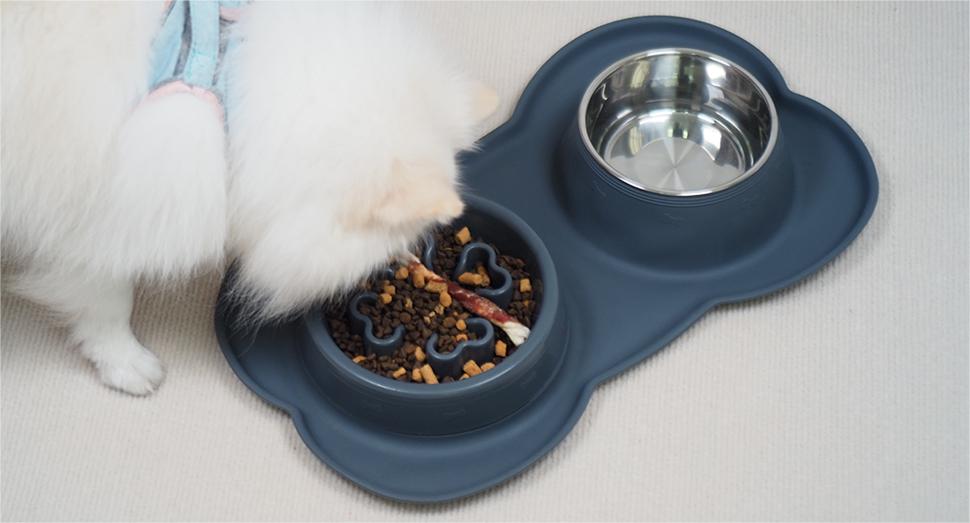
Contact your veterinarian immediately: If you find that your pet has ingested pieces of silicone, the most important thing is to contact your veterinarian immediately. The veterinarian will be able to assess your pet's condition and provide first aid advice.
Watch your pet for symptoms: While you are waiting for guidance from your veterinarian, you can watch your pet for any unusual symptoms, such as vomiting, abdominal pain, loss of appetite, or distress. Inform your veterinarian of these symptoms so they can better diagnose and treat it.
Do not induce vomiting: Some people may try to induce vomiting in a pet after it has swallowed a foreign object. However, this behavior does not always work in all situations. This method should only be attempted under the guidance of a veterinarian, as inducing vomiting incorrectly can lead to other problems.
Follow your veterinarian’s recommendations: Your veterinarian will make recommendations for further treatment based on your pet’s specific circumstances and health. Possible management may include medication, further testing, or surgery. Please follow your veterinarian's recommendations to ensure your pet's safety and health.
It is important to stress that these recommendations are only a general reminder and are not a substitute for professional guidance from your veterinarian. If your pet has an emergency or you are concerned about its health, contact your veterinarian immediately. Providing regular veterinary check-ups and monitoring of your pet can help prevent similar situations from occurring.


