Wooden Teether vs. Silicone Teether: Which Is Better for Your Baby?
Choosing the right teether for your baby can feel overwhelming, especially with the myriad of options available. Two popular choices—wooden teethers and silicone teethers—each have distinct advantages and drawbacks. In this guide, we’ll compare their safety, durability, design, and practicality to help you decide which is better suited for your little one.
Material Safety and Environmental Impact
Wooden Teethers
Wooden teethers are typically made from natural materials like bamboo or untreated hardwood, prized for their eco-friendly profile. They are free from synthetic chemicals if finished with natural oils or beeswax, making them a sustainable choice. However, low-quality wooden teethers may splinter over time or contain harmful coatings, posing safety risks if not properly maintained.
Silicone Teethers
Silicone teethers, especially those made from food-grade or medical-grade silicone, are rigorously tested for safety. High-quality silicone is non-toxic, BPA-free, and resistant to bacterial growth. Many brands comply with international standards like FDA (U.S.) and LFGB (EU), ensuring they’re safe for prolonged chewing. However, cheaper silicone products might use additives that compromise safety, so always verify certifications.
Verdict: Silicone teethers edge ahead in standardized safety, but natural wooden options are ideal for eco-conscious families if sourced responsibly.
Durability and Maintenance
Wooden Teethers
Wood is naturally sturdy but prone to wear. Prolonged exposure to moisture (e.g., saliva) can cause warping or cracking, requiring regular drying and occasional oiling to maintain integrity. While some parents appreciate the rustic charm, others find the maintenance cumbersome.
Silicone Teethers
Silicone is highly durable, waterproof, and easy to clean. Most can be sterilized in boiling water or dishwashers without degrading. Their flexibility also reduces breakage risks, making them long-lasting even with aggressive chewing.
Verdict: Silicone wins for low-maintenance durability, though wooden teethers can last with proper care.
Texture and Teething Relief
Wooden Teethers
Wood provides a firm, smooth surface that some babies prefer for massaging sore gums. However, its rigidity offers less "give," which might be less soothing for intense teething phases.
Silicone Teethers
Silicone’s soft, pliable texture mimics the feel of rubber, offering gentle resistance that many babies find comforting. Textured designs (e.g., ridges or nubs) can enhance gum stimulation, and some models include cooling features (e.g., freezer-safe options) for added relief.
Verdict: Silicone’s versatility in texture and cooling capabilities makes it superior for targeted teething relief.
Design and Safety Features
Wooden Teethers
Natural wooden teethers often have minimalist shapes, reducing choking hazards. However, poorly crafted edges or small parts (e.g., attached beads) can pose risks.
Silicone Teethers
Many silicone teethers are designed with safety guards (e.g., wide stoppers) to prevent over-insertion into the mouth. Brands like Kangde prioritize ergonomic shapes that are easy for small hands to grip.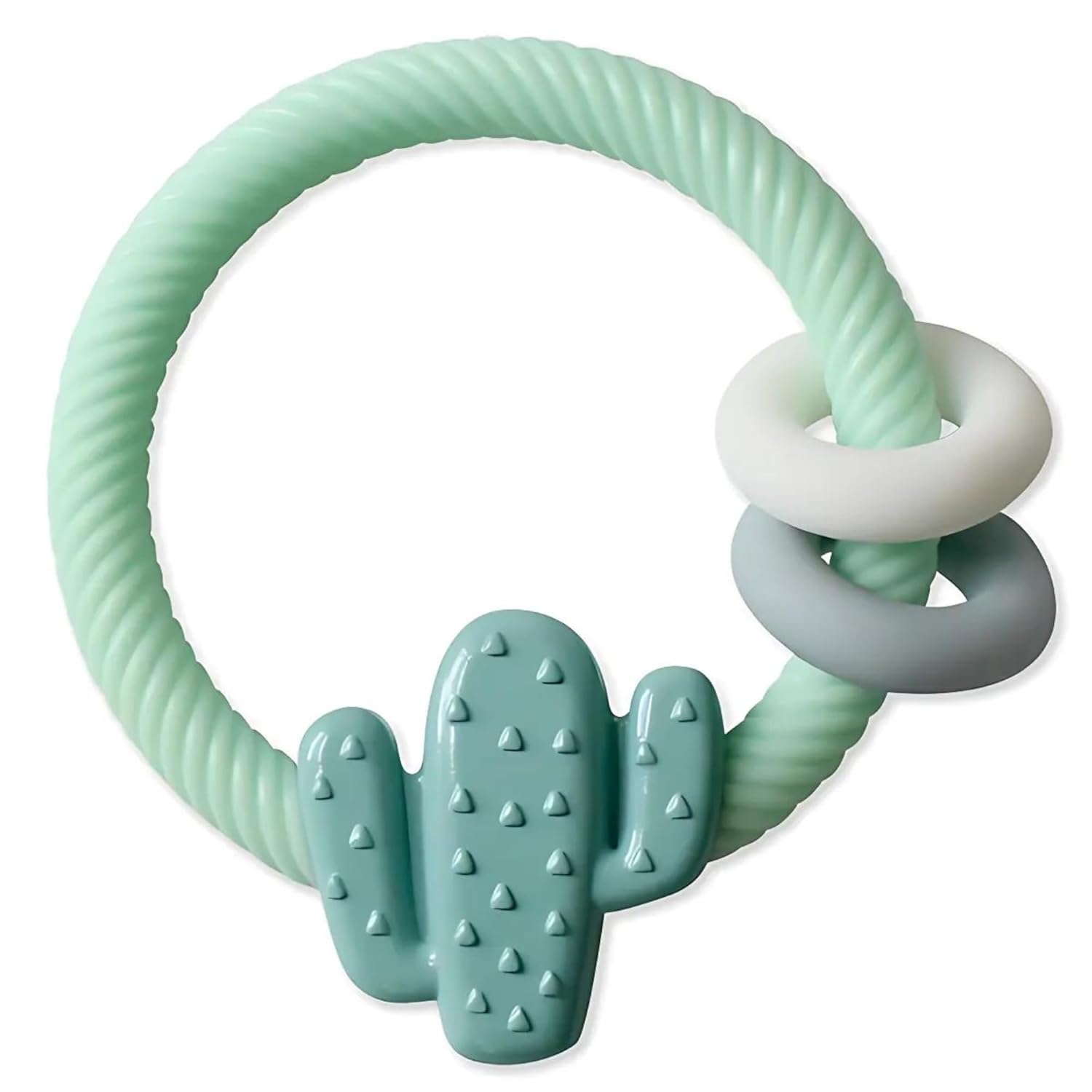
Verdict: Silicone teethers often incorporate advanced safety designs, though simple wooden styles can also be safe if well-made.
Cost and Accessibility
Wooden teethers are generally affordable but vary in price based on craftsmanship. High-end silicone teethers may cost more but offer features like multifunctional designs (e.g., dual-use as a toothbrush).
Final Recommendation
Choose silicone teethers if:
You prioritize ease of cleaning and durability.
Your baby prefers soft, textured surfaces for gum relief.
Safety certifications (e.g., FDA) are non-negotiable.
Opt for wooden teethers if:
Sustainability and natural materials are top priorities.
You don’t mind periodic maintenance to prevent wear.


