Most babies start teething at around 6 months old, but there is a wide range of normal. Some babies may get their first tooth before 4 months, while others may not have a tooth until after 12 months. A baby can even be born with a tooth, although this is uncommon.
Teething is the natural process of baby teeth breaking through the gums. According to the American Academy of Pediatric Dentistry, the first baby tooth usually erupts at about 6 months of age.
The first teeth are usually the lower central incisors, or the two bottom front teeth. The upper front teeth generally follow, and more teeth continue to appear over the next two years. Most children have all 20 primary teeth by about 2 to 3 years old.
| Age | What You May See |
|---|---|
| 0–4 months | Usually no visible teeth, although early teething can occur |
| Around 6 months | First teeth commonly appear |
| 6–12 months | More front teeth begin to erupt |
| 12–18 months | First molars and canines may appear |
| 18–24 months | More teeth continue to come in |
| By 2–3 years | Most children have all 20 baby teeth |
Every baby develops differently, so this timeline is a general guide, not a strict schedule.
A teething baby may:
Have sore or slightly red gums
Drool more than usual
Chew on fingers, toys, or other objects
Become more fussy
Sleep less well
Have a slightly raised temperature below 38°C (100.4°F)
However, diarrhea is not considered a proven symptom of teething, and significant fever or illness should not automatically be blamed on teething.
A safe teething toy or teething ring can give babies something appropriate to chew and may help soothe uncomfortable gums. The NHS recommends chilling suitable teething rings in the refrigerator, but not freezing them, because a frozen ring can be too hard and may injure the gums. 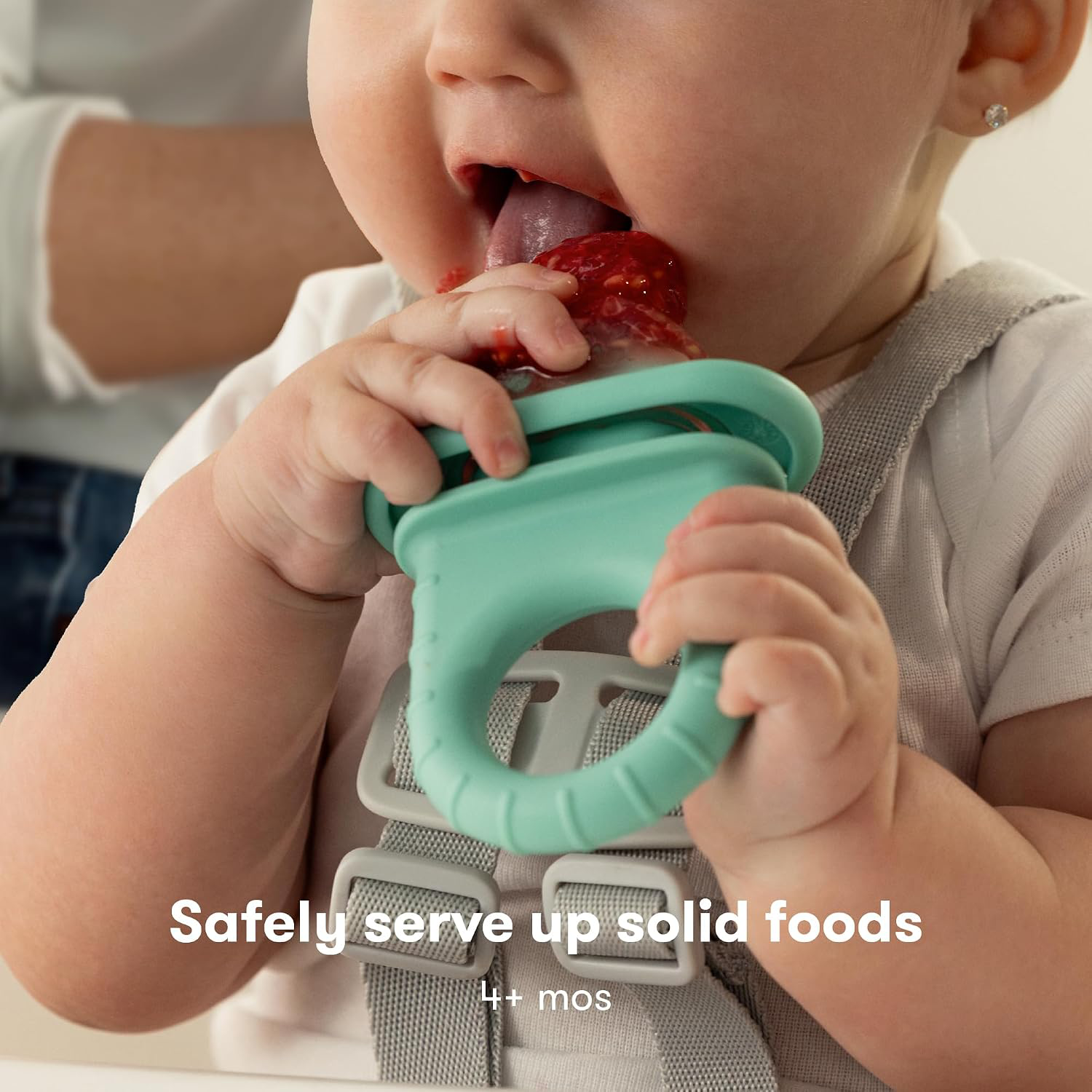
For parents choosing a teether, look for a product that is age-appropriate, easy to hold, easy to clean, and designed specifically for babies to chew.
Once the first tooth appears, start brushing it with a small, soft toothbrush and appropriate fluoride toothpaste, and consider establishing a dental home within six months of the first tooth appearing.
Is it normal for a baby to start teething at 3 months?
It can happen, although most babies start around 6 months. Babies develop at different rates.
What if my 12-month-old has no teeth?
Some babies get teeth later than others. Teething timing varies considerably, so an individual child should be assessed based on their overall development and oral health.
What teeth usually come in first?
The lower front teeth are commonly the first teeth to appear, followed by the upper front teeth.
Do babies need a teething toy?
Not every baby needs one, but a properly designed teether can provide something safe to chew and may help soothe sore gums.
Most babies start teething around 6 months, but anything from early infancy to after 12 months can occur. What matters most is your baby's individual development and overall health—not hitting an exact teething date.


