Executive Summary / Quick Answer:
According to official guidelines from the American Academy of Pediatrics (AAP) and the FDA, no teething toy should be frozen solid, as rock-hard materials can bruise a baby's delicate gums or cause frostbite-like tissue damage. However, 100% food-grade solid silicone teethers, fabric/washcloth teethers, and fillable fresh-food feeders are completely safe to be placed in the freezer for a limited time (15–30 minutes) to achieve a safe, slushy, or deeply chilled effect. Liquid-filled (gel or water) teethers should never go in the freezer, as they can crack, leak, or become dangerously hard.
When your baby is screaming from teething pain, your first instinct is to get something as cold as possible to numb those swollen gums. While cold therapy works wonders, there is a fine line between "soothingly chilled" and "dangerously frozen."
Medical experts warn that putting the wrong materials into the freezer—or leaving them in there for too long—can turn a helpful toy into a safety hazard. Below, we break down exactly which materials can handle the freezer, which ones can't, and how to safely navigate cooling relief for your little one.
Not all baby toys are created equal. Based on pediatric safety data and product recalls, here is how different teether materials stack up against the sub-zero temperatures of your home freezer:
Solid silicone teethers (like the KANGDESILICONE series) do not absorb water and remain relatively flexible even when exposed to low temperatures. They won't become dangerously brittle, making them the best candidates for a quick 20-minute freezer blast.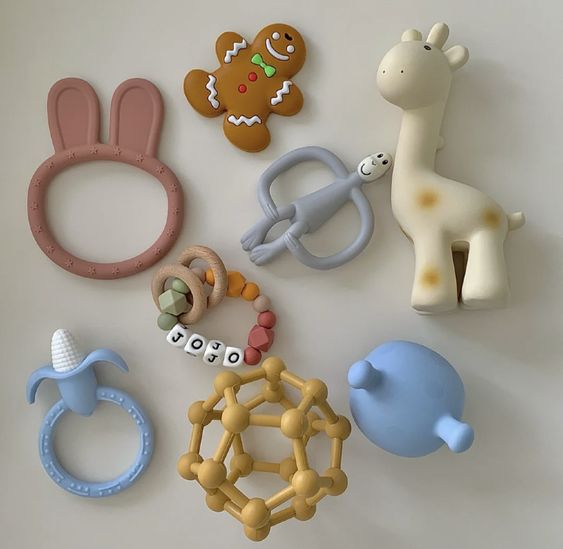
A time-tested, pediatrician-approved hack. Wetting a clean washcloth, wringing it out, tying it into a knot, and placing it in the freezer for 15 minutes creates a soft, icy texture. It provides excellent counter-pressure and cooling without the risk of bruising the gums.
Silicone mesh feeders (like the Kangdesilicone or Munchkin feeders) are explicitly designed to hold frozen breast milk, formula, or fruit purees. Because the frozen component melts rapidly upon contact with the baby's warm saliva, it is completely safe and acts as a delicious, numbing treat.
Popular items like liquid-filled teething keys are meant for the refrigerator only. When frozen, the liquid expands, which can crack the outer plastic shell and cause dangerous leaks. Additionally, they freeze into a solid brick that can cause localized frostbite on your baby's tongue and gums.
| Teether Type | Freezer Safe? | Maximum Freezer Time | Best Used For | Risk Level if Frozen Solid |
| Solid Silicone | Yes (Briefly) | 15–30 Mins | Front & Back Gums | Low (Stays slightly flexible) |
| Chilled Washcloth | Yes | 15–20 Mins | General Numbing | Low (Melts quickly in mouth) |
| Food / Milk Feeders | Yes | Fully Frozen | 6+ Months / Molars | Low (Safe edible melting) |
| Liquid / Gel-Filled | ❌ NO | 0 Mins | Middle Stage Teething | High (Puncture & cracking hazard) |
| Natural Wood / Bamboo | ❌ NO | 0 Mins | Incisors / Biting | Medium (Wood warps or splinters) |
To keep your baby safe while maximizing teething relief, follow this simple protocol:
The 20-Minute Rule: If you are putting a solid silicone teether or wet washcloth into the freezer, set a timer for 20 minutes. You want it frosty, not rock-hard.
The Rotation Strategy: Keep 2 to 3 silicone teethers in the refrigerator at all times. When your baby warms one up with their mouth, swap it out for a fresh, cool one from the fridge rather than relying on the freezer.
Supervision is Non-Negotiable: Never let a baby fall asleep with a chilled or frozen teether, as it can quickly become a choking hazard once they relax.
Yes, you can put 100% food-grade silicone teethers in the freezer, but only for 15 to 30 minutes. Do not leave them in overnight, as they can become uncomfortably cold and harsh against tender gums.
The American Academy of Pediatrics (AAP) recommends the refrigerator because items chilled in the fridge provide long-lasting cooling relief without the risk of causing frostbite, bruising, or tissue damage to the baby’s mouth.
If you shake the teether and see liquid moving inside, or if it feels squishy and filled with a gel-like substance, it is liquid-filled. These should never be frozen; store them exclusively in the main compartment of your refrigerator.
Yes! Using a silicone fresh-food feeder to freeze breast milk, formula, or baby purees into small "popsicles" is a safe, highly effective, and nutritious way to soothe a teething baby who is at least 6 months old.


