The Short Answer (Conclusion):
Silicone is a synthetic, rubber-like polymer made primarily from silicon (a natural element derived from quartz sand), combined with oxygen, carbon, and hydrogen. Unlike traditional petroleum-based plastics, silicone relies on a uniquely stable "siloxane" backbone (alternating silicon and oxygen atoms). This specific chemical composition is what gives finished silicone products their exceptional durability, extreme temperature resistance (-60°C to 230°C), and non-toxic properties, making them the superior, food-safe choice for wholesale baby products, kitchenware, and pet accessories.
To understand why finished silicone products dominate the modern consumer market, it is essential to clear up common terminology mix-ups that even experienced procurement managers make.
Silica (Silicon Dioxide): This is the raw starting material. It is a natural compound found abundantly in nature, most commonly as quartz sand.
Silicon (Si): This is the 14th element on the periodic table. It is extracted from silica through a highly energy-intensive heating process. It is a hard, brittle crystalline solid.
Silicone (Polydimethylsiloxane - PDMS): This is the final manufactured polymer. By taking silicon, reacting it with methyl chloride, and adding water, manufacturers create the flexible, durable, and chemically inert material we use in OEM and ODM product manufacturing.
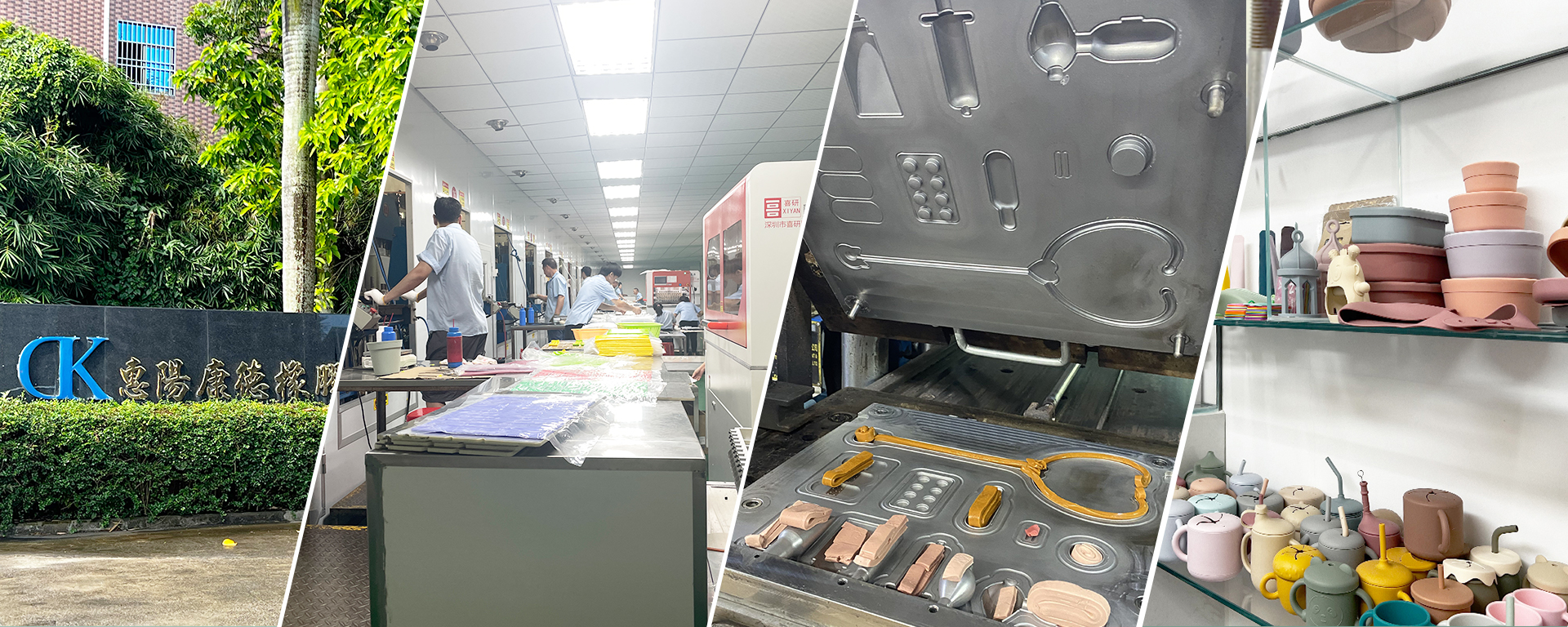
When sourcing finished goods for retail distribution, the material composition directly impacts product liability, consumer satisfaction, and shelf life. The unique inorganic backbone of silicone translates to high-performance real-world data:
Thermal Stability for Kitchenware: Because the Silicon-Oxygen bond is incredibly strong, food-grade silicone baking molds, muffin cups, and air fryer liners can easily withstand oven temperatures up to 230°C (446°F) without melting, warping, or off-gassing toxic chemicals.
Biocompatibility for Baby Products: High-quality, platinum-cured silicone contains no BPA, BPS, phthalates, or microplastics. This hypoallergenic nature makes it the global standard for baby teethers, feeding sets, and pacifiers, easily passing rigorous FDA and LFGB safety certifications.
Unmatched Durability: Unlike organic rubbers or plastics that degrade, crack, or become brittle under UV light and ozone exposure, silicone remains flexible. This ensures long-lasting performance for outdoor gear and pet products, like dog food mats.
For brands deciding between plastic and silicone for their next product line, the data strongly favors silicone regarding safety and lifecycle.
| Feature | Food-Grade Silicone | Traditional Petroleum Plastics (e.g., PP, PVC) |
| Base Material | Silicon, Oxygen, Carbon, Hydrogen | Petroleum (Crude Oil) |
| Temperature Range | -60°C to 230°C (Extreme resistance) | Typically melts or warps above 100°C |
| Toxicity Risk | Inert, non-toxic, no chemical leaching | Risk of leaching BPA, phthalates, and microplastics |
| Durability | Highly resilient to UV, ozone, and aging | Prone to cracking, yellowing, and brittleness over time |
| Environmental Impact | Highly durable, reduces single-use waste | High contributor to microplastic pollution |
While silicone is not strictly biodegradable in a landfill environment, it is highly regarded as a superior eco-friendly alternative to plastic. Its primary environmental benefit lies in its durability and reusability. A single silicone baby plate or baking pan can outlast dozens of its plastic counterparts, drastically reducing single-use consumer waste. Furthermore, at the end of its exceptionally long lifespan, silicone can be sent to specialized recycling facilities where it is broken down into industrial lubricants or mulch, rather than breaking down into harmful microplastics in our oceans.
Q: Is silicone just another type of plastic?
A: No. While both are polymers, plastics have a carbon-to-carbon backbone derived from petroleum. Silicone has a silicon-to-oxygen backbone derived from sand. This makes silicone chemically distinct, offering much higher heat resistance and safety profiles.
Q: Are finished silicone products safe for food contact?
A: Yes, provided they are manufactured using 100% food-grade or medical-grade silicone. High-quality silicone manufacturing ensures the final products are chemically inert, meaning they will not leach chemicals into food or water, even when heated.
Q: Can silicone products be customized for OEM/ODM orders?
A: Absolutely. Liquid Silicone Rubber (LSR) and solid silicone can be custom-molded into virtually any shape, colored using safe pigments, and adjusted for different levels of hardness (Shore A), making it an ideal material for custom wholesale manufacturing.


