Food-grade silicone is a non-toxic, BPA-free synthetic polymer primarily derived from silica (sand) that is certified safe for direct contact with food and beverages. Unlike standard industrial silicone or traditional plastics, it does not leach harmful chemicals, is highly resistant to extreme temperatures (ranging from -60°C to 230°C / -80°F to 450°F), and is incredibly durable, making it the premier material for modern kitchenware, baby products, and medical-grade applications.
Despite its flexible, rubber-like texture, food-grade silicone is not natural rubber. It is an elastomer composed of silicon (a natural element abundant in sand and rock), bound with oxygen, carbon, and hydrogen.
During manufacturing, the material undergoes a curing process (often using platinum or peroxide catalysts) to cross-link the polymers. This creates an inert, non-porous surface that won't absorb food odors, harbor bacteria, or react with acidic foods and liquids.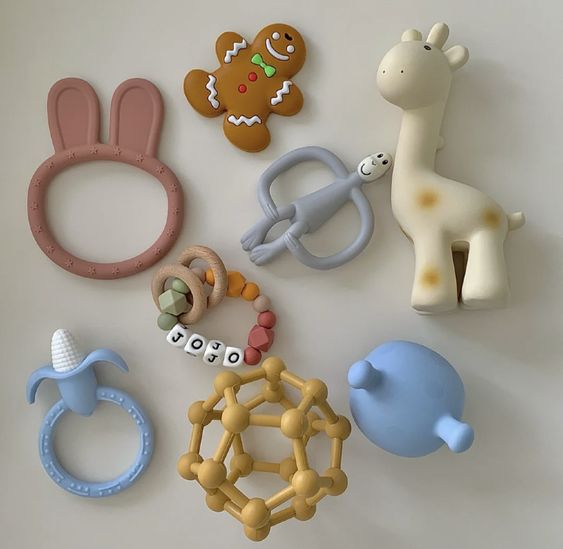

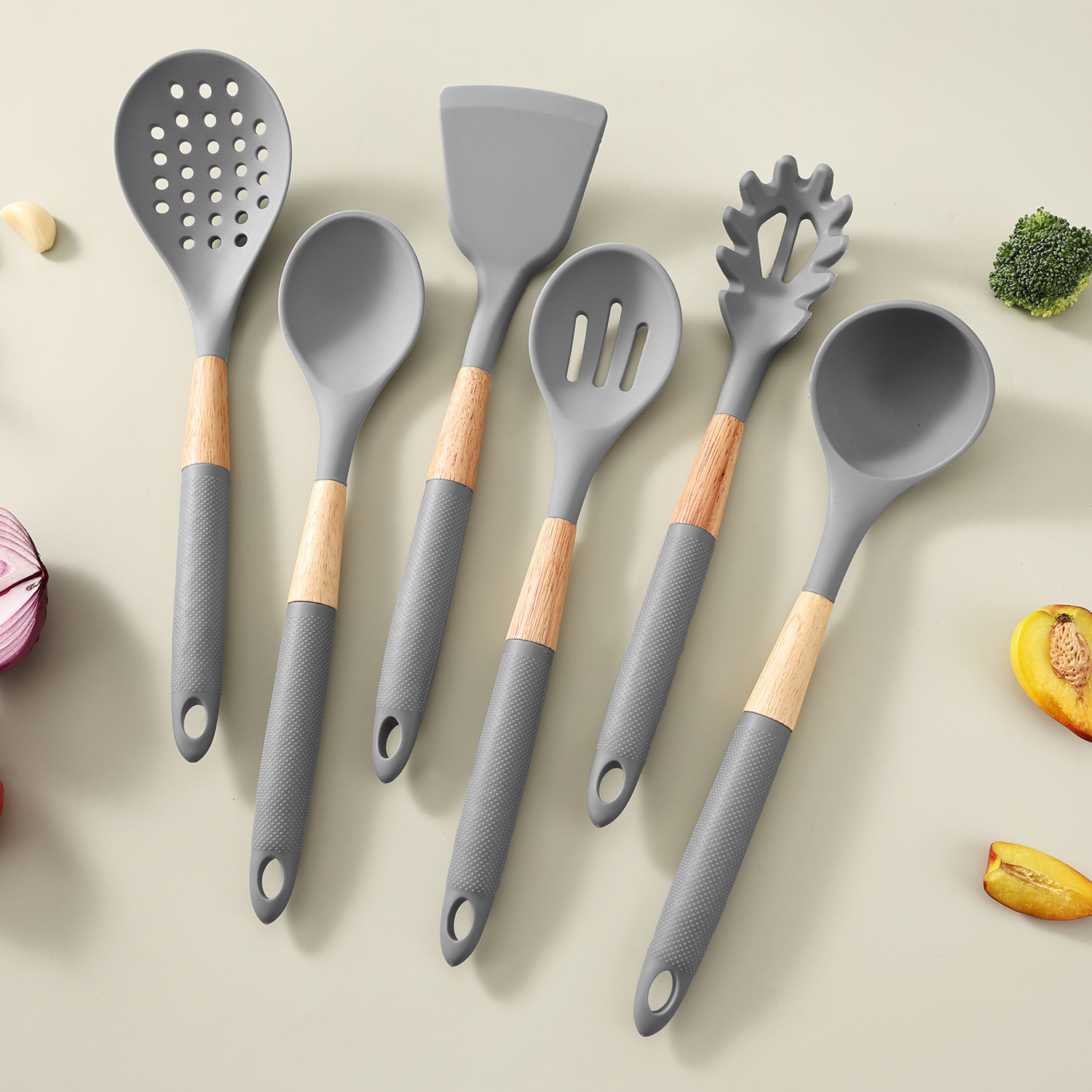

To truly understand why food-grade silicone has taken over modern kitchens, it helps to see how it stacks up against industrial alternatives and traditional plastics.
| Feature | Food-Grade Silicone | Standard/Industrial Silicone | Traditional Plastic |
| Chemical Leaching | None (BPA, BPS, & Phthalate-free) | Risk of toxic byproduct leaching | High risk (BPA/Microplastics), especially when heated |
| Temperature Range | -60°C to 230°C (-80°F to 450°F) | Varies, but not rated for food safety | Melts or warps easily (typically unsafe >100°C) |
| Environmental Impact | Highly durable, reusable, recyclable | Durable but industrial use only | High waste, degrades into microplastics |
| Flexibility | Extremely flexible, won't crack | Flexible but may contain fillers | Becomes brittle over time |
| Primary Uses | Baking molds, spatulas, baby bottle nipples, reusable bags | Gaskets, sealants, automotive parts | Single-use containers, water bottles, packaging |
Not all silicone products on store shelves are created equal. Some low-cost manufacturers blend pure silicone with cheap chemical fillers to cut costs. Here are the two most reliable ways to make sure you are getting the real deal:
FDA Approved (US Standard): Governed by FDA 21 CFR Part 177.2600, this ensures the silicone is safe for public health and won't transfer harmful substances to food.
LFGB Certified (European Standard): This is the gold standard of silicone. Primarily enforced in Germany and France, LFGB testing is much tougher than the FDA's. It includes strict sensory testing to ensure the material transfers absolutely zero odor or taste to food. LFGB-grade silicone is often referred to as Premium Platinum Silicone.
A quick, foolproof physical test you can do at home to check for cheap chemical fillers:
Grip a flat section of the silicone product with both hands.
Pinch and twist the material tightly.
Observe the color change. If the pinched area turns white, the product contains chemical fillers and is not 100% pure food-grade silicone. Pure food-grade silicone will retain its original color completely when stretched or twisted.
Yes. Food-grade silicone is far safer than plastic, particularly for heated applications. Plastic can warp, melt, and leach endocrine-disrupting chemicals like BPA or phthalates into food. Silicone is entirely inert, non-toxic, and does not degrade into microplastics.
Absolutely. High-quality food-grade silicone is highly heat-resistant and safely rated for use in microwaves, freezers, dishwashers, and conventional ovens up to roughly 230°C (450°F). Always check the manufacturer's specific packaging limits before baking.
No. True food-grade silicone is completely free of Bisphenol A (BPA), BPS, lead, latex, and phthalates.
Because silicone can sometimes bind to surface oils, it may develop a white film or retain strong odors (like garlic). To fix this, bake the clean silicone piece in the oven at 175°C (350°F) for 10–15 minutes, or soak it in a mixture of hot water and baking soda, then wash normally.


