Watching your baby struggle with teething pain can feel heartbreaking. As those tiny teeth push through sensitive gums, your once-happy infant may become irritable, drool constantly, and chew on anything within reach. Fortunately, research-backed strategies can transform this challenging phase into a manageable milestone. Understanding safe, effective remedies empowers you to comfort your little one while avoiding potentially harmful products.
Recognizing Teething Symptoms
Teething typically begins between 4-7 months, though some babies start as early as 3 months or as late as 12 months. The process continues intermittently until around age 3, when all 20 primary teeth emerge. The two bottom front teeth (lower central incisors) usually appear first, followed by the top front teeth.
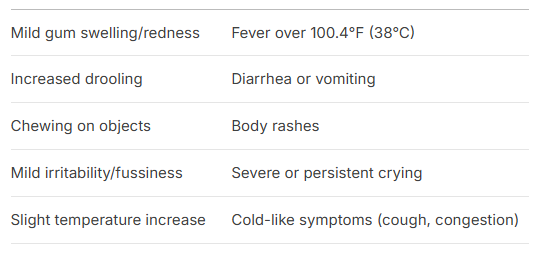
Common signs include:
☑ Excessive drooling
☑ Chewing or gnawing on hands, toys, or objects
☑ Swollen, tender gums (sometimes with visible whitish bumps)
☑ Mild fussiness or irritability
☑ Slightly elevated temperature (under 100.4°F/38°C)
💡 What’s NOT teething? Contrary to popular belief, teething doesn’t cause high fevers (over 101°F/38.3°C), diarrhea, vomiting, rashes (beyond drool-related), congestion, or intense crying. These often indicate illness requiring medical attention.
Gently rub your baby’s gums with a clean finger or damp gauze for 1–2 minutes. The counter-pressure alleviates discomfort by temporarily numbing the area. For babies over 1 year, wrap a small ice cube in a wet cloth and massage gently.
Refrigerate teething rings: Choose solid rubber or BPA-free silicone models, avoiding liquid-filled varieties.
Offer a chilled washcloth: Soak a clean cloth, wring it out, and chill for 15–20 minutes.
For babies over 6 months eating solids, try cold foods like yogurt, purees, or soft fruit (e.g., banana) in a mesh feeder.
💡 Tips: Never freeze teethers or use ice directly, as extreme cold can damage gum tissue.
Choose firm, easy-to-grasp toys made of safe materials (silicone or natural rubber). Popular effective options include:
Some textured silicone dental rubber toys (requiring BPA safety and food-grade silicone)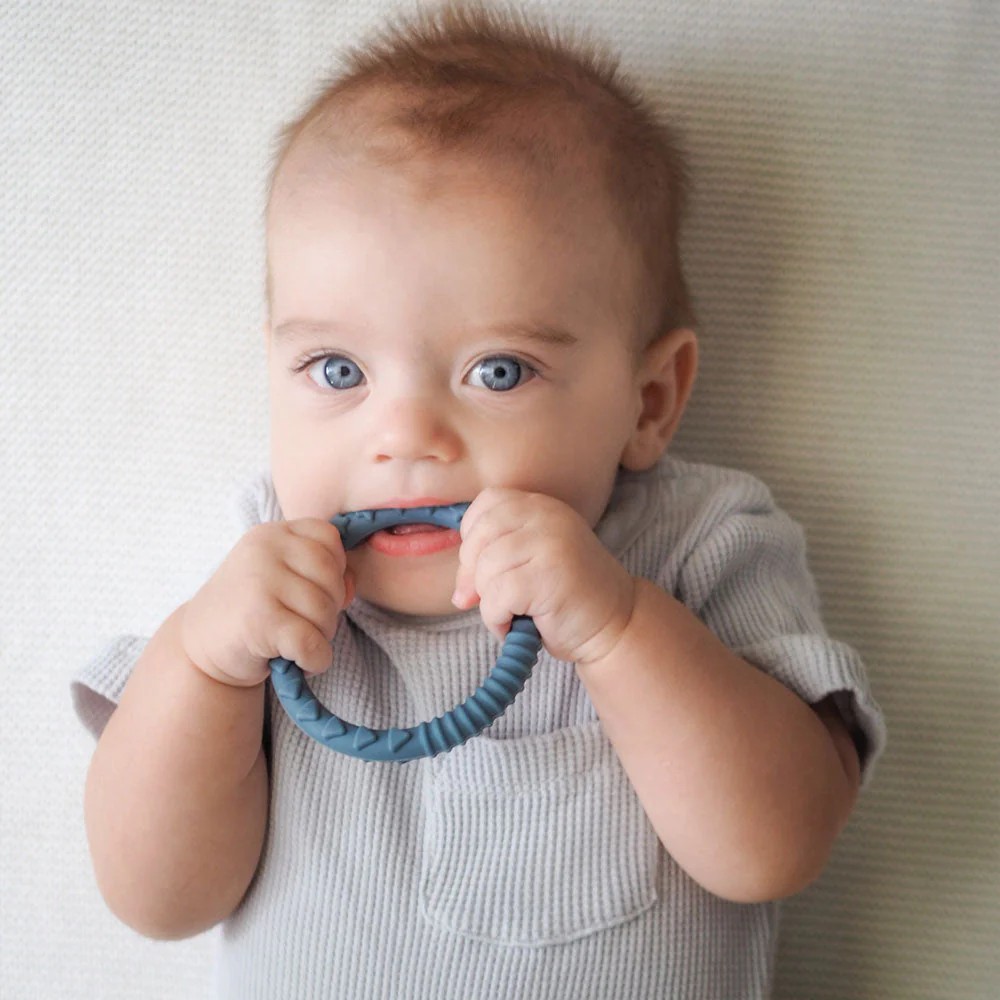
Chilled pacifiers (if your baby uses one)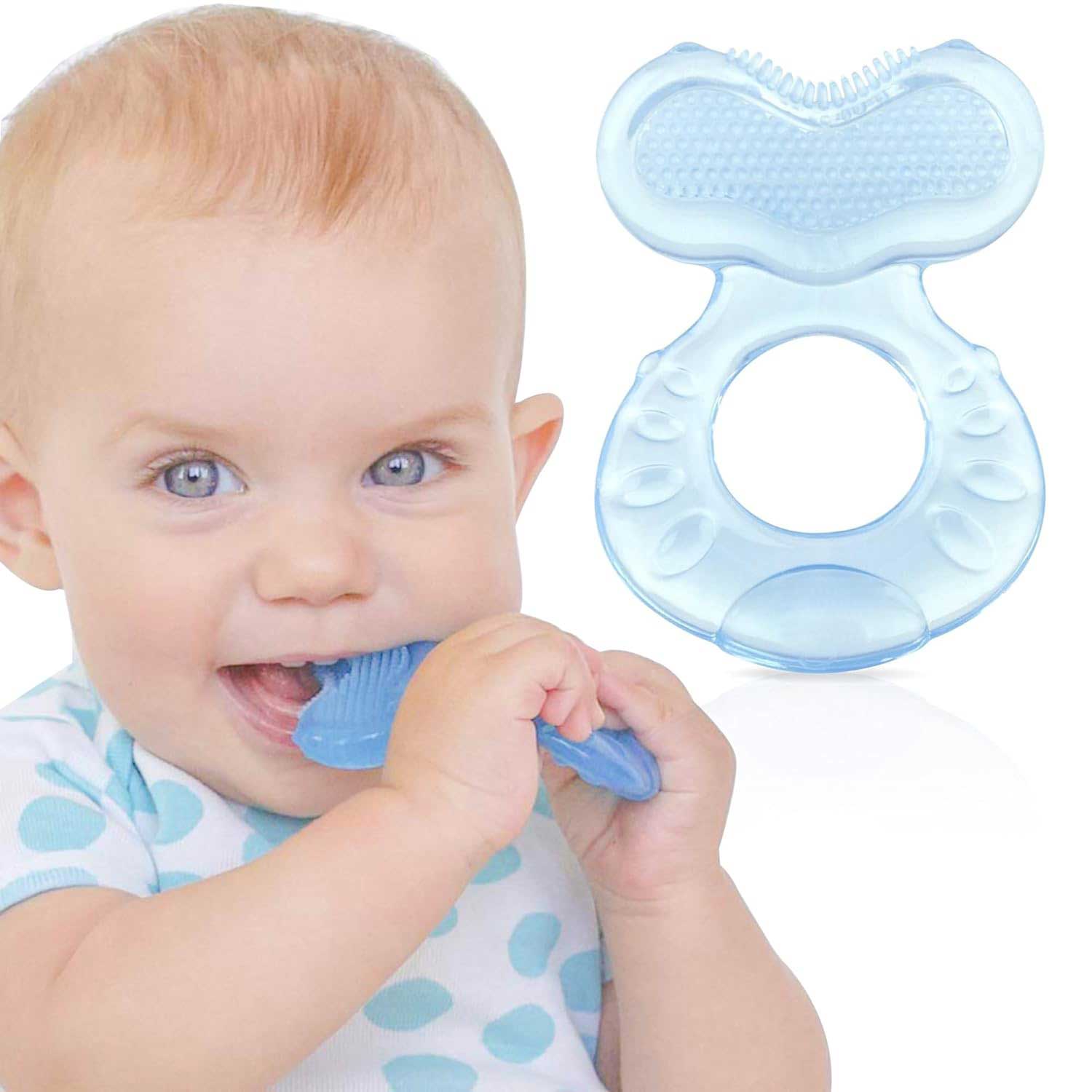
! Always supervise use and avoid neck-strung toys due to strangulation risks.
Acetaminophen (e.g., Tylenol®) suits babies over 3 months (follow dosing instructions carefully).
Ibuprofen (e.g., Motrin®) works well for inflammation but is only for babies over 6 months.
!Use medication sparingly (1–2 days maximum) and consult your pediatrician first.
Extra cuddling, breastfeeding, or bottle-feeding provides security and pain relief through sucking. Distraction with play or walks can also shift focus from discomfort.
!! What to Avoid: Dangerous “Remedies”(Many marketed teething products pose serious risks)
Topical numbing gels with benzocaine/lidocaine (e.g., Baby Orajel®): Linked to methemoglobinemia, a life-threatening oxygen deficiency.
Homeopathic teething tablets/gels: Often contain unregulated belladonna (deadly nightshade), causing seizures or breathing issues.
Teething necklaces (amber, wood, silicone): Pose strangulation and choking hazards.
Alcohol or aspirin rubbed on gums: Toxic for infants.
Frozen teethers or hard foods: Can cause gum damage or choking.
Oral Hygiene
Before teeth erupt: Wipe gums twice daily with a damp cloth.
After first tooth appears: Brush gently with a soft-bristled infant toothbrush and a rice-grain-sized amount of fluoride toothpaste.
Consult a professional if your baby shows:
Fever over 100.4°F (38°C) or diarrhea
Persistent crying or inability to eat/sleep
Gum bleeding or unusual swelling.
Schedule your baby’s first dental visit when the first tooth emerges or by their first birthday.
Conclusion
Teething is a temporary but demanding phase. By focusing on evidence-backed remedies—cold therapy, gum massage, safe toys, and limited medication—you ease discomfort without unnecessary risks. Avoid unregulated products, prioritize oral hygiene, and seek medical advice when symptoms escalate. With patience and these trusted strategies, you’ll help your baby smile through the storm.
Always consult your pediatrician before introducing new remedies or medications, especially for infants under 6 months.


