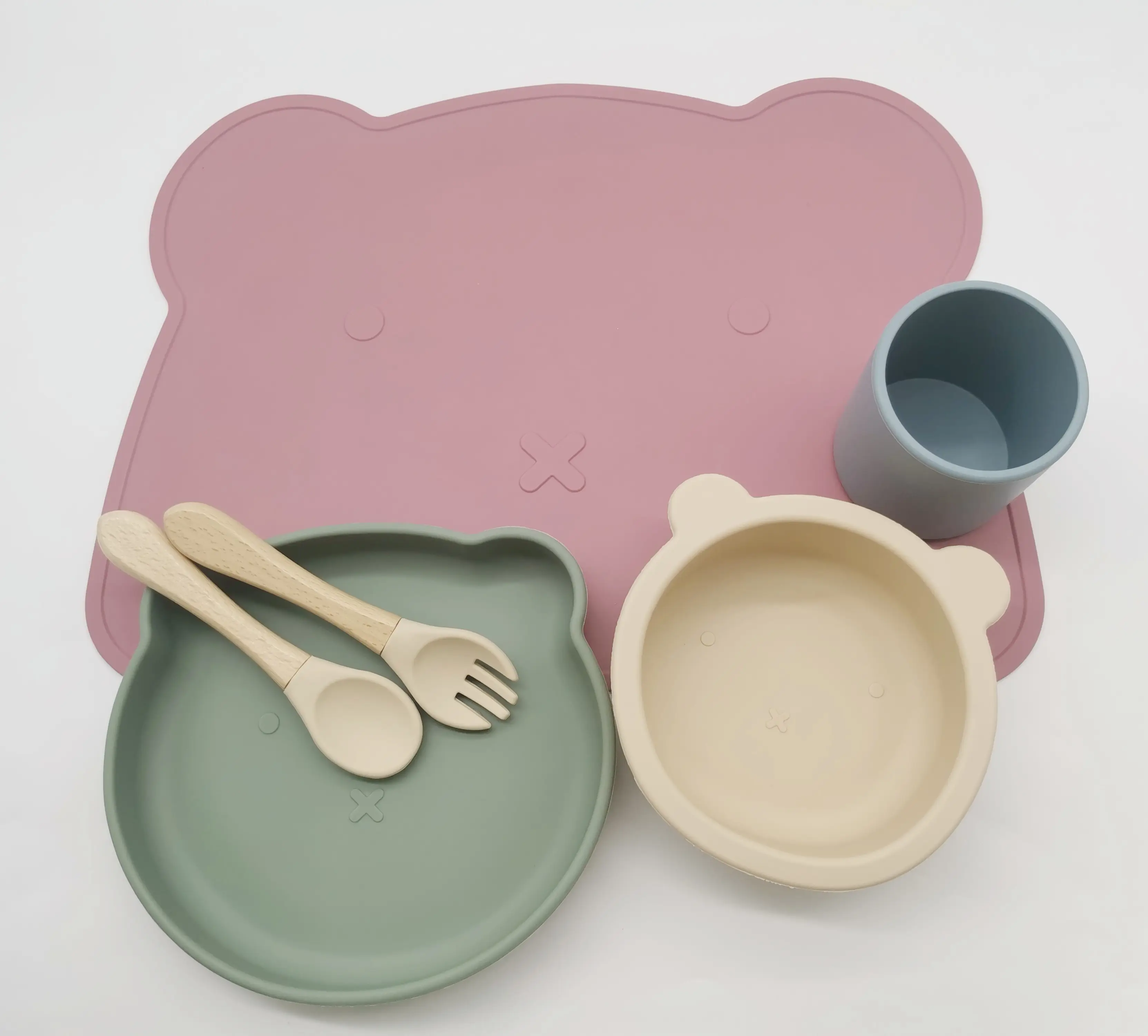
Silicone has become one of the most versatile and widely used materials in modern manufacturing. From kitchenware to medical equipment, this flexible and durable compound plays an essential role in countless industries. In this guide, we’ll explore how silicone is made, its common uses, and the many benefits that make it a preferred material worldwide.
Silicone is a synthetic polymer made from silicon, oxygen, carbon, and hydrogen. Unlike pure silicon (a natural element found in sand and quartz), silicone is created through a controlled chemical process that turns silicon into a flexible, rubber-like material.
Its unique structure gives it properties such as heat resistance, waterproofing, and non-reactivity, making it safe for both industrial and consumer applications.
The production of silicone involves several key steps:
Silicon Extraction – Silicon is first obtained from quartz sand through a high-temperature heating process.
Synthesis of Silanes – The silicon reacts with methyl chloride to form silanes.
Polymerization – Silanes are then polymerized to create silicone fluids, resins, or rubber.
Forming Silicone Products – The silicone material is molded or extruded into different forms such as sheets, tubes, kitchen molds, or baby toys.
This precise production process ensures silicone products are non-toxic, odorless, and highly durable, meeting global safety standards such as FDA and LFGB certifications.
Silicone’s versatility allows it to appear in many industries:
Medical Applications: Medical-grade silicone is used for tubing, implants, and prosthetics because it’s biocompatible and hypoallergenic.
Automotive Industry: Silicone seals and gaskets resist oil, heat, and pressure, ensuring safety and reliability.
Electronics: Silicone coatings and adhesives protect components from moisture and extreme temperatures.
✅ Heat and Cold Resistance – Silicone remains stable from -40°C to +230°C, perfect for cooking or freezing.
✅ Non-Toxic and Safe – Food-grade silicone is BPA-free and phthalate-free, making it ideal for contact with food and babies.
✅ Long Lifespan – Silicone does not crack, fade, or deform easily, reducing waste and saving costs.
✅ Eco-Friendly Option – Compared to plastics, silicone is more durable and reusable, helping to reduce environmental pollution.
✅ Soft Yet Strong – It’s flexible, soft to touch, yet extremely tough under pressure.
Manufacturers prefer silicone because it offers design flexibility, easy molding, and consistent quality. It can be customized into nearly any shape or color, which is why many factories provide OEM/ODM silicone products for global brands — from household items to industrial components.
If you’re considering custom silicone production, partnering with a professional silicone factory ensures quality control, material certification, and fast mass production.
Conclusion
Silicone is more than just a rubbery material—it’s a modern solution for safer, cleaner, and longer-lasting products. Whether used in baby toys, kitchenware, or medical tools, its benefits make it a top choice for manufacturers and consumers alike.
If you’re looking to customize or wholesale silicone products, work with an experienced silicone manufacturer to guarantee safety, performance, and innovation in every product.