Sensory Chew Toys for Autistic Children: The Role of Silicone in Therapeutic Play
Tactile and oral stimulation are important ways for autistic children to self-regulate and manage their emotions. Silicone sensory chew toys have gradually become a core tool in this field due to their safety, durability and diverse sensory feedback. This article will explore the unique value of silicone in the intervention of autistic children from three aspects: scientific properties, product innovation and selection guidelines.
1. Scientific advantages of silicone materials
The physical properties of silicone make it an ideal material for sensory chew toys:
Biocompatibility: Medical-grade silicone is certified by FDA and ISO 10993, and the amount of chemical migration is only 1/3800 of PVC, preventing children from ingesting harmful substances.
Sensory adaptability: The Shore hardness range (15A-70A) can match different chewing strength requirements. For example, silicone with a hardness of 25A can provide both rebound resistance (2.3 vibration attenuation rates per second) and avoid excessive stimulation of oral muscles.
Temperature and tactile response: The thermal conductivity of silicone is 0.21W/m·K, which is close to that of human epidermis, and the surface can be designed with micro-textures of 0.02-5μm, simulating the tactile span from velvet to sandpaper, and enhancing sensory recognition.
Clinical studies have shown that children with autism who use silicone chew toys have a 31% decrease in salivary cortisol levels and significantly reduced anxious behaviors.
2. Innovative design of silicone sensory toys
Aiming at the needs of children with autism, silicone toys continue to make breakthroughs in function and form:
Multifunctional chewing tools:
❤ Wearable: such as ARK Therapeutic's "Chewelry" necklace, which combines a silicone chewing module with a detachable lanyard, which not only meets immediate needs but also avoids social embarrassment.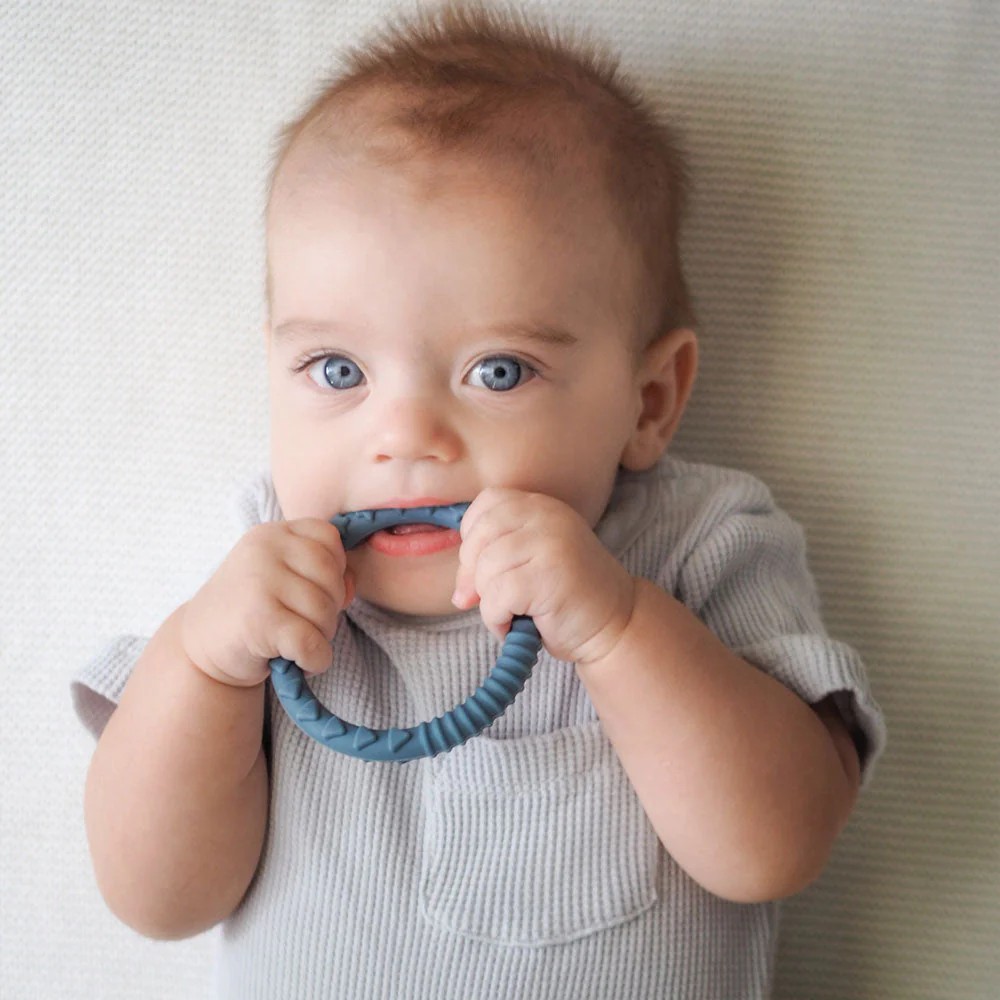
❤ Multi-texture stimulation: Kangde and other products integrate three surfaces: smooth, convex, and striped, and promote neural feedback through oral or skin tactile differences.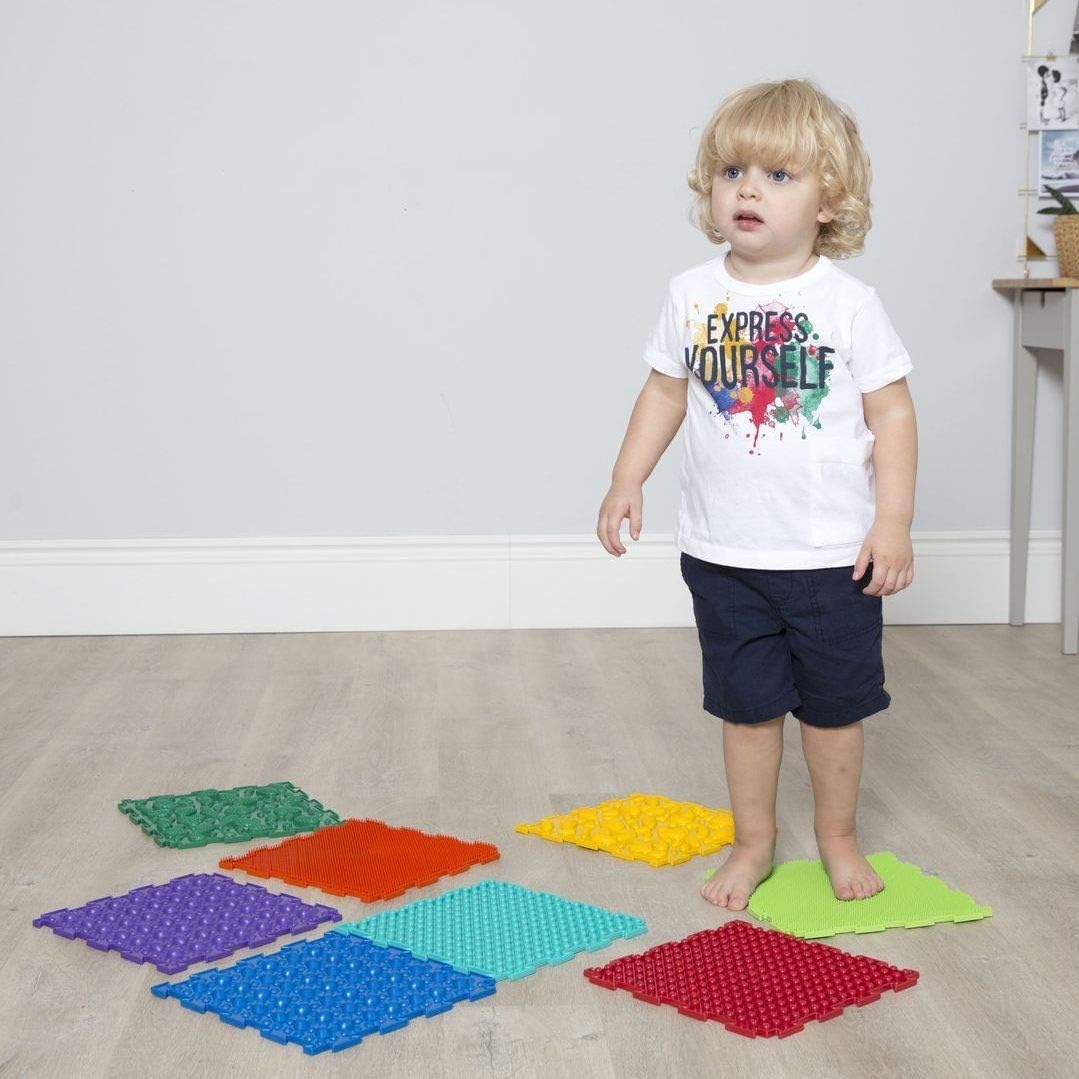
❤ Concealment and fun: such as silicone pen caps or rugby-shaped push toys, integrate functions into daily necessities or game scenes to improve children's acceptance.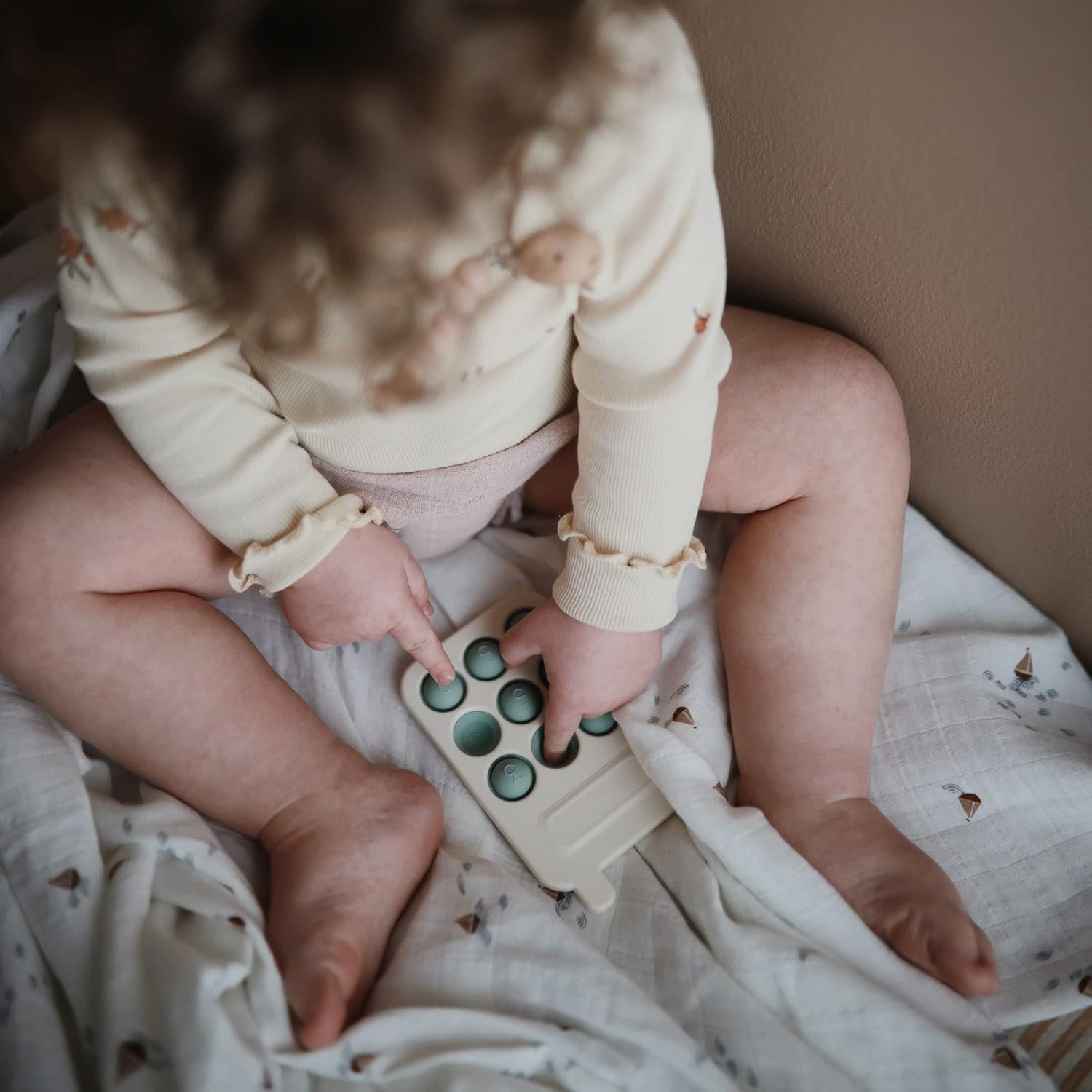
Comprehensive sensory training device:
Kangde's "sensory activity board" combines 11 silicone ropes with a tactile board, and exercises hand fine motor skills and tactile integration through pulling, winding and other actions.
The recently popular "temperature difference sensing building blocks" show patterns at 37°C, combining tactile and visual stimulation to accelerate sensory integration.
3. Selection and use guide
Parents and therapists need to choose appropriate products based on individual differences of children:
Age and chewing strength:
Young children (2-4 years old) should choose 15-25A soft rubber material, such as Kangde chewers;
Teens or heavy chewers can choose the Goshabunga series with a hardness of 70A, which has a compressive strength of 80% compression ratio.
Safety design points:
Prefer necklaces with "break-type buckles" (such as Amazon's popular models) to prevent the risk of entanglement;
Avoid parts with a diameter of less than 4cm to reduce the possibility of accidental swallowing.
Cleaning and maintenance:
Silicone toys can withstand high-temperature sterilization at 134°C, and it is recommended to use a dishwasher for deep cleaning every week;
Avoid using alcohol to wipe to prevent accelerated aging of the material.
4. Future trends and challenges
As the scale of the tactile economy increases by 19.3% annually, silicone toys are merging with smart technology. For example, conductive silicone sensors can monitor chewing pressure in real time and generate training reports via Bluetooth to help therapists quantify the effect of intervention. However, the market still needs to solve two major problems:
Personalized adaptation: Existing products mostly rely on general design, and in the future, 3D printing technology will be needed to customize chewing modules that match the oral morphology;
Cross-scenario application: How to combine silicone toys with VR social training to create an immersive multi-sensory experience is a technological breakthrough.
Silicone sensory chewing toys are not only tools, but also a bridge connecting autistic children with the outside world. From reducing anxiety to promoting social interaction


