Conclusion First: Choose OEM (Original Equipment Manufacturer) if you have a custom product design, unique intellectual property, and want 100% control over specifications. Choose ODM (Original Design Manufacturer) if you want to launch quickly with lower upfront costs by using existing factory designs customized with your logo and packaging.
Industry data shows that over 70% of emerging ecommerce and retail brands launch using ODM to validate market demand with minimal risk, while established brands typically leverage OEM to protect proprietary designs and maintain high competitive moats.
What is OEM (Original Equipment Manufacturer)?
With OEM manufacturing, you provide the product design, engineering blueprints, material specifications, and exact dimensions. The factory serves strictly as the production partner who brings your design to life.
-
Best For: Companies with in-house product designers, unique patented concepts, or strict custom requirements.
-
Key Advantage: Exclusive ownership of product intellectual property (IP) and full control over quality standards.
-
Trade-off: Higher upfront tooling costs and longer lead times for prototyping and mold creation.
What is ODM (Original Design Manufacturer)?
With ODM manufacturing, the factory handles both product design and manufacturing. You select a ready-to-produce item from the factory’s existing catalog, then customize minor features such as colors, surface branding, logos, and packaging.
-
Best For: Amazon sellers, startups, and retail brands looking for fast market entry with lower initial budget.
-
Key Advantage: Zero or low initial tooling costs and significantly faster launch timelines (often 3–6 weeks).
-
Trade-off: Limited design uniqueness and shared IP, meaning competitors can sell similar products.
OEM vs. ODM Side-by-Side Comparison
| Feature |
OEM (Original Equipment) |
ODM (Original Design) |
| Design Ownership |
100% Yours (Client owns IP) |
Factory Owned (Client owns logo/brand) |
| Upfront Cost |
Higher (Custom mold & tooling) |
Lower (Uses existing molds) |
| Time to Market |
3 to 6 Months (R&D + Molds) |
2 to 6 Weeks (Ready templates) |
| Customization |
Unlimited (From scratch) |
Moderate (Color, logo, packaging) |
| Production Risk |
Moderate (Requires design testing) |
Low (Proven product stability) |
| Minimum Order Quantity (MOQ) |
Higher |
Lower |
Finding the Right Manufacturing Partner
Whether you choose OEM or ODM, success comes down to supplier reliability, quality control, and certified materials.
For example, at
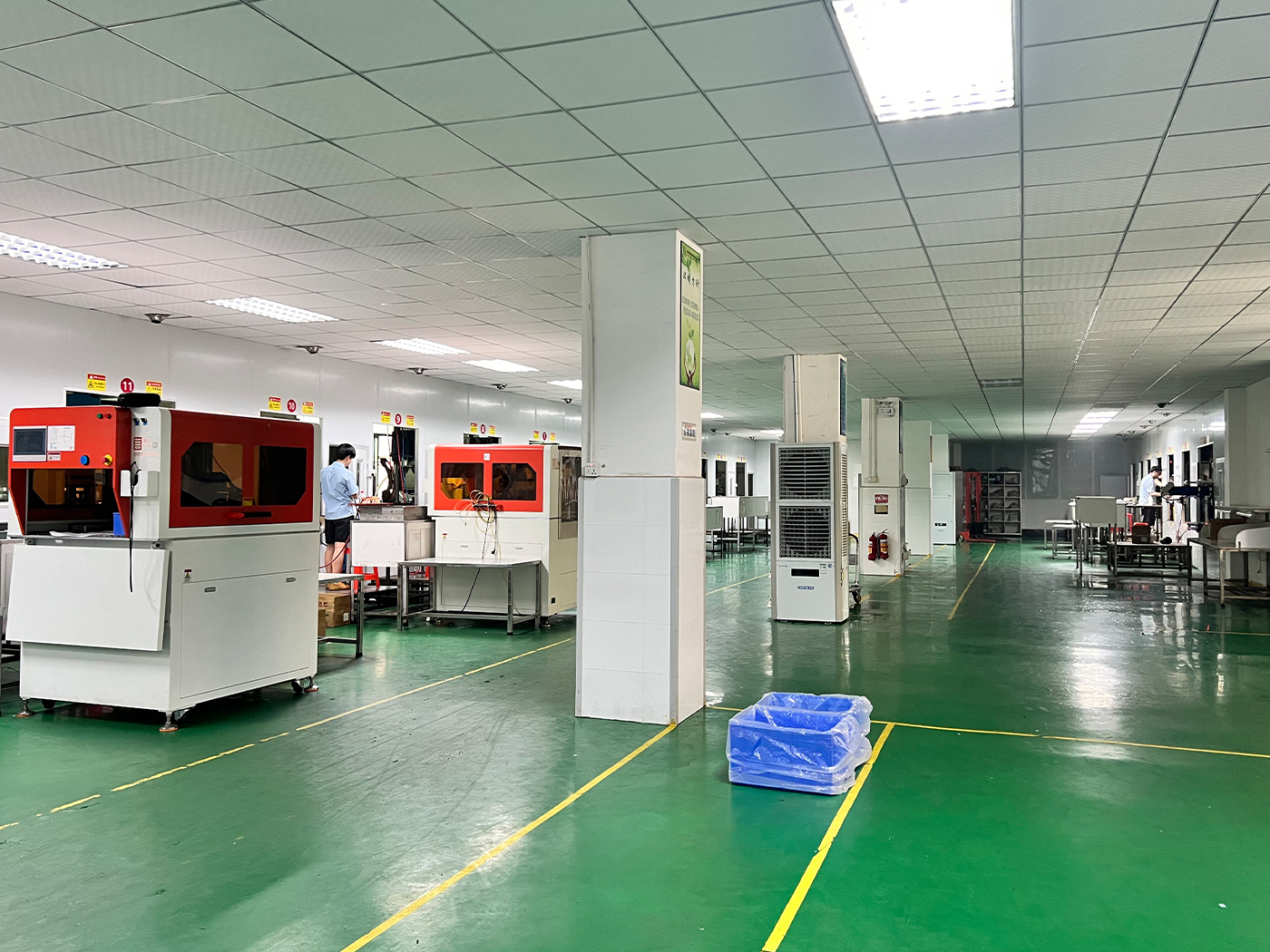
Kangde Silicone Co., Ltd., we bridge both models for international clients specializing in finished food-grade silicone products—from baby feeding sets and teethe toys to durable kitchenware. By offering flexible OEM custom molding alongside a ready-to-brand ODM catalog, we help businesses transition smoothly from quick market entry to fully proprietary product lines with FDA and LFGB compliance.
Frequently Asked Questions (FAQ)
1. Can I start with ODM and later switch to OEM?
Yes. Many brands start with ODM to test customer response and build initial revenue. Once product-market fit is established, they invest in custom OEM molds to differentiate their product line from competitors.
2. Who owns the product tooling and molds in OEM?
In a standard OEM contract, the client pays for the mold development and retains 100% ownership of the tooling. The supplier cannot use your OEM mold to manufacture products for other buyers.
3. Why is OEM tooling more expensive than ODM?
OEM requires starting from raw engineering files (3D CAD models) to create brand-new steel or aluminum production molds, which involves precision machining, trial runs, and testing. ODM uses pre-existing molds that the factory has already built and paid for.
4. Which model is better for selling on Amazon or Shopify?
If your primary goal is speed and lower startup capital, ODM is ideal. If your strategy focuses on building a long-term premium brand with defensible features that competitors cannot easily copy, OEM is the better path.


