When it comes to modern kitchenware, silicone products—such as baking mats, spatulas, molds, and cooking utensils—have become incredibly popular. Their flexibility, heat resistance, and easy-to-clean nature make them a favorite among home cooks and professional chefs alike. But a common question remains: is silicone safe to cook with? Let’s dive into the facts and safety considerations.
🧪 What Is Silicone Made Of?
Silicone is a synthetic material made from silica (sand) and oxygen, combined with carbon and hydrogen. The result is a rubber-like, non-toxic, and highly durable compound that can withstand both high and low temperatures. Unlike plastic, silicone does not contain BPA, phthalates, or other harmful chemicals commonly associated with toxic cookware.
🔥 Heat Resistance and Safety
One of silicone’s biggest advantages is its excellent heat resistance.Most food-grade silicone can withstand temperatures between -40°F to 450°F (-40°C to 232°C), and some high-quality versions can even handle up to 500°F (260°C).
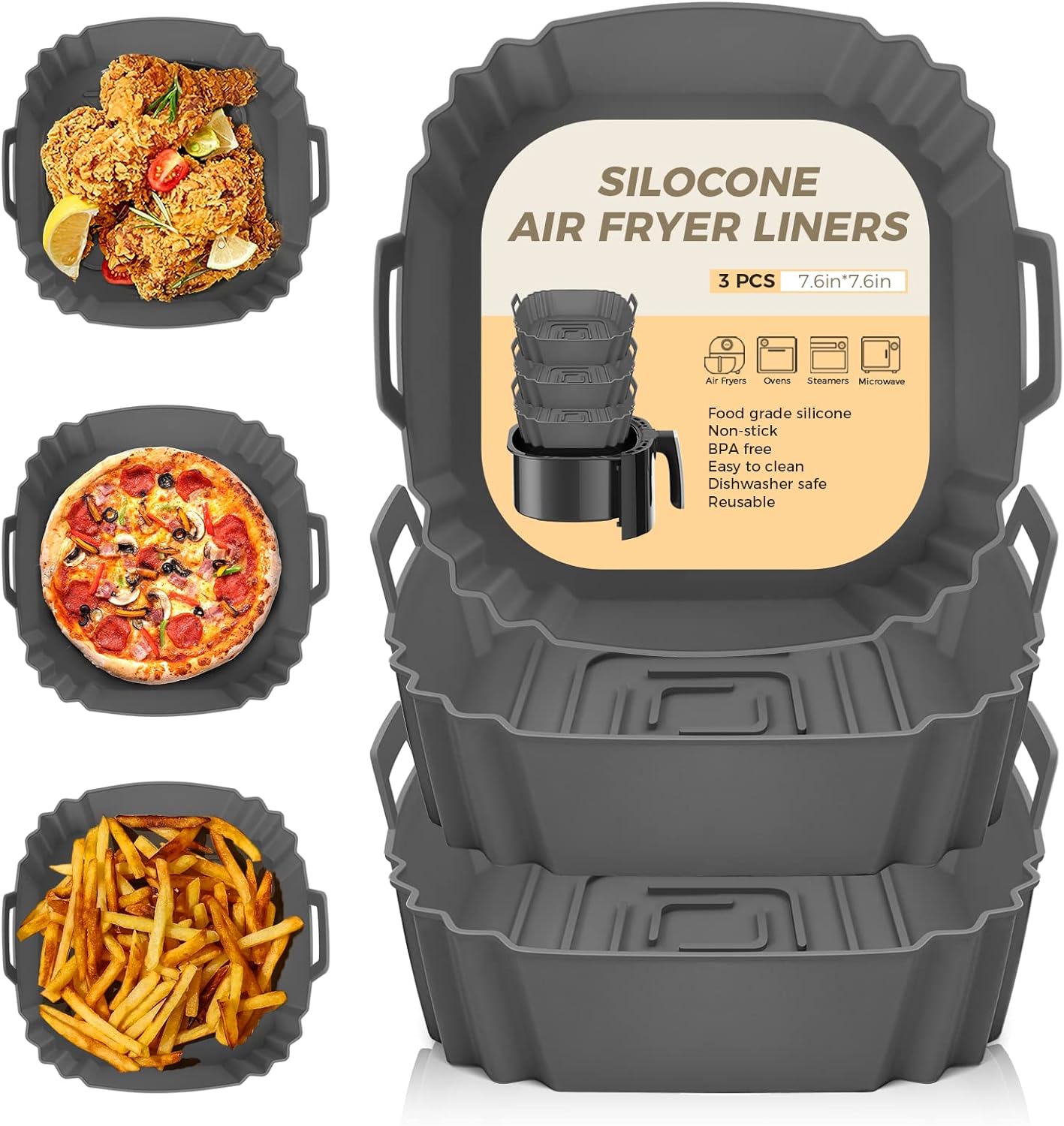
This makes silicone ideal for baking molds, spatulas, air fryer liners, and microwave-safe containers.
However, it’s important to make sure you are using certified food-grade silicone. Cheap, low-quality silicone mixed with fillers may release odors or discolor when exposed to high heat.
👉 Tip: Bend the silicone product—if it turns white, it may contain fillers and isn’t 100% pure silicone.
🥘 Cooking with Silicone: What You Can Use It For
Silicone is versatile in the kitchen. You can safely use it for:
✅ Baking mats and molds
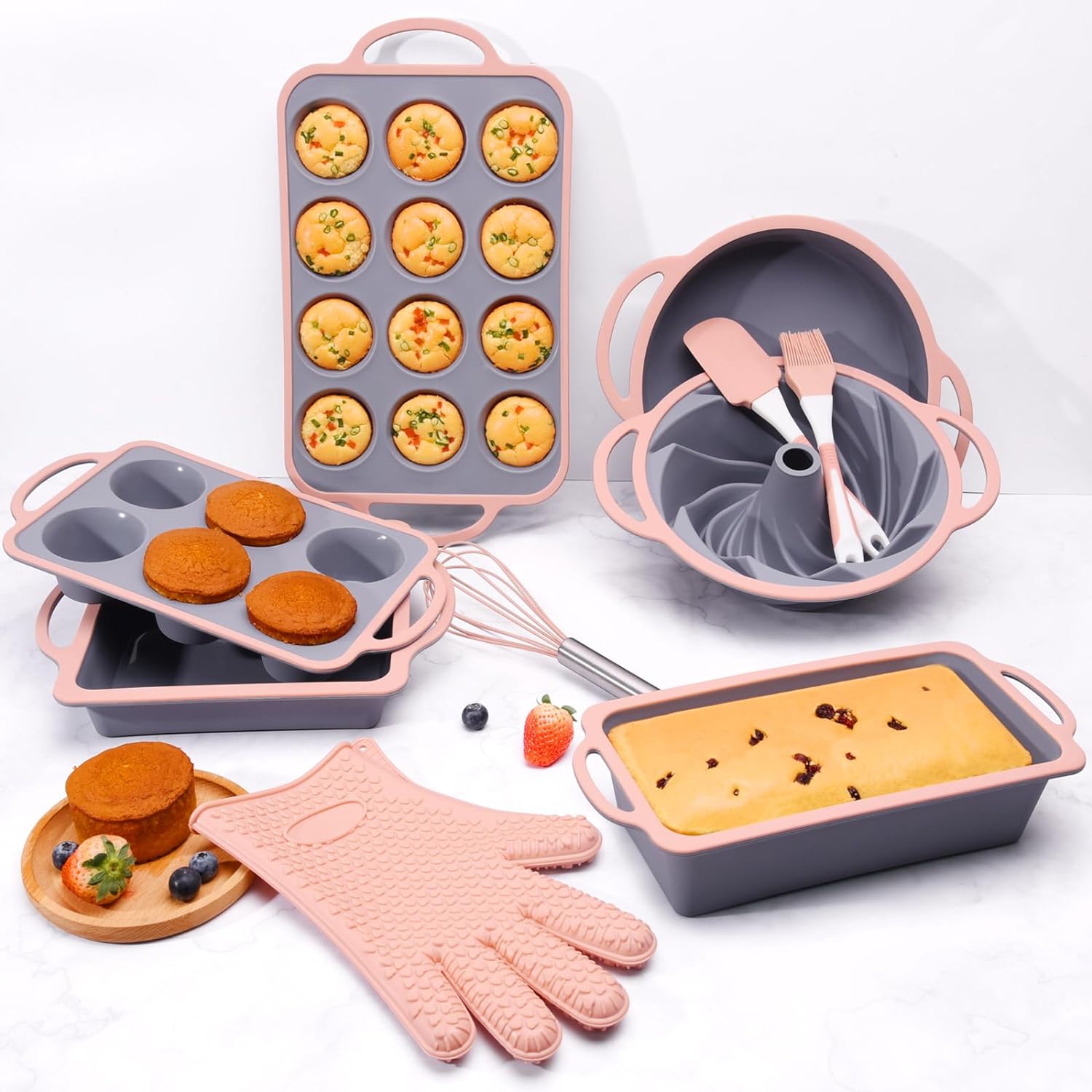
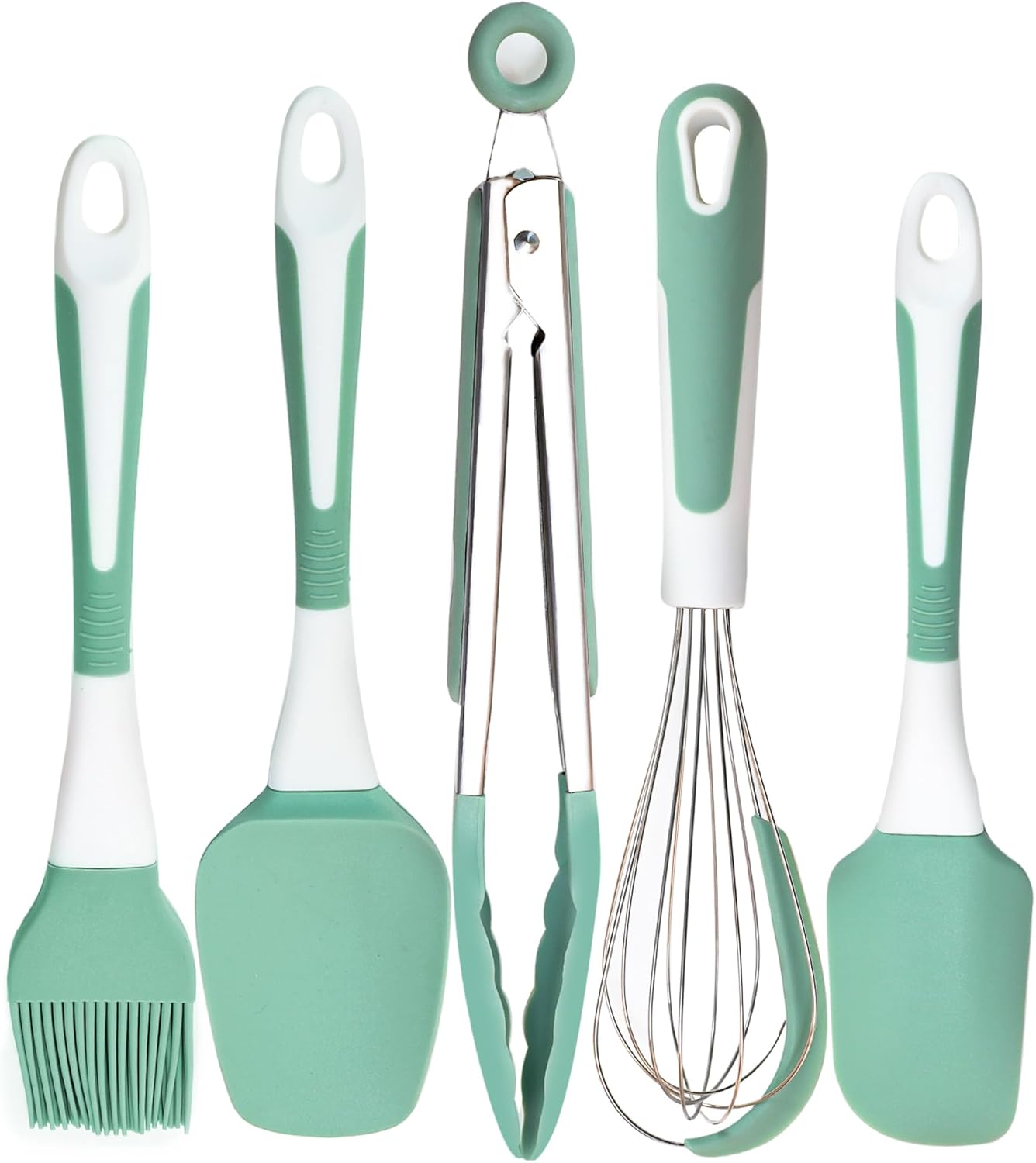
✅ Cooking spatulas and whisks
✅ Air fryer and oven liners
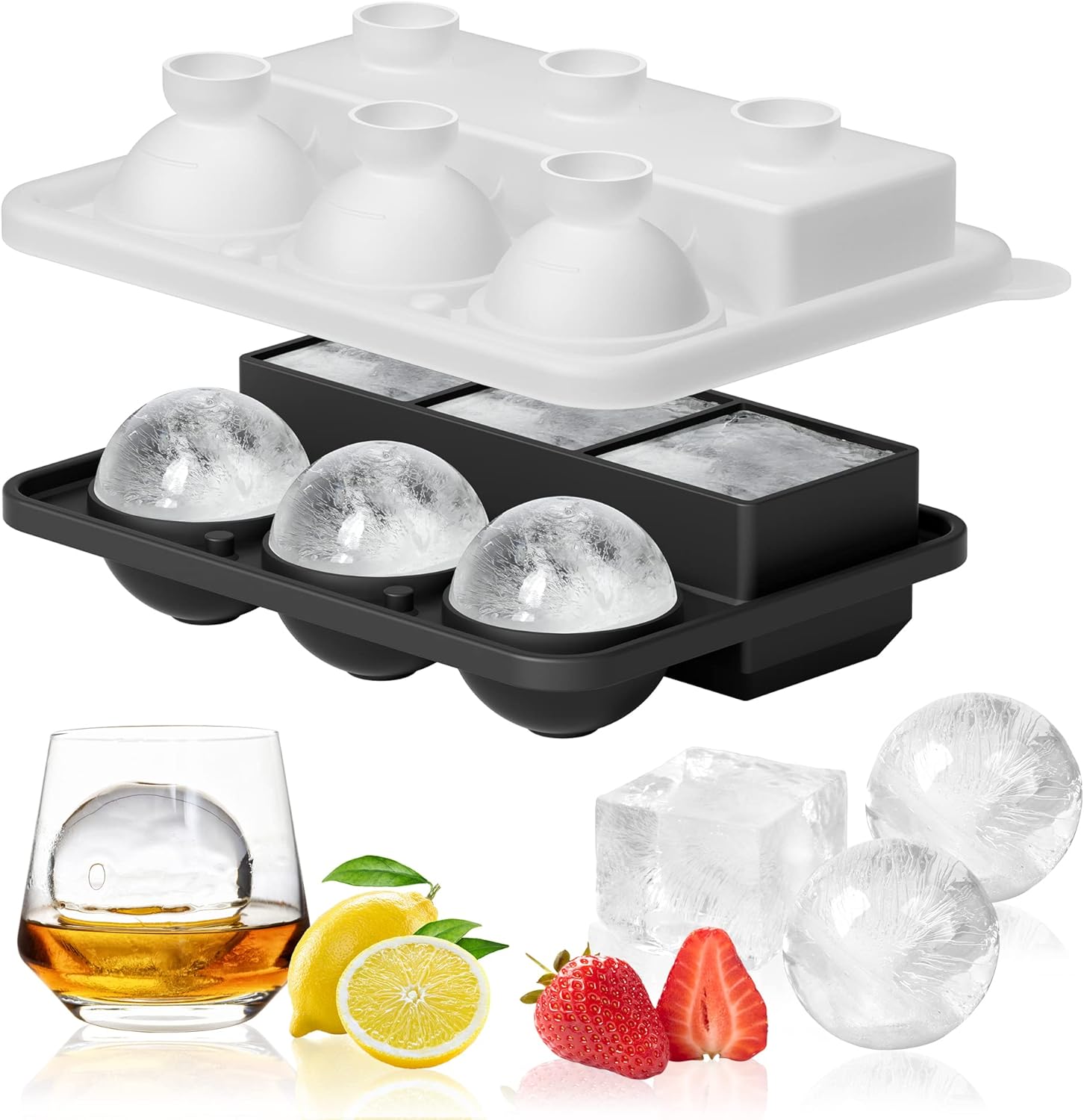
✅ Ice cube and chocolate molds
✅ Food storage containers
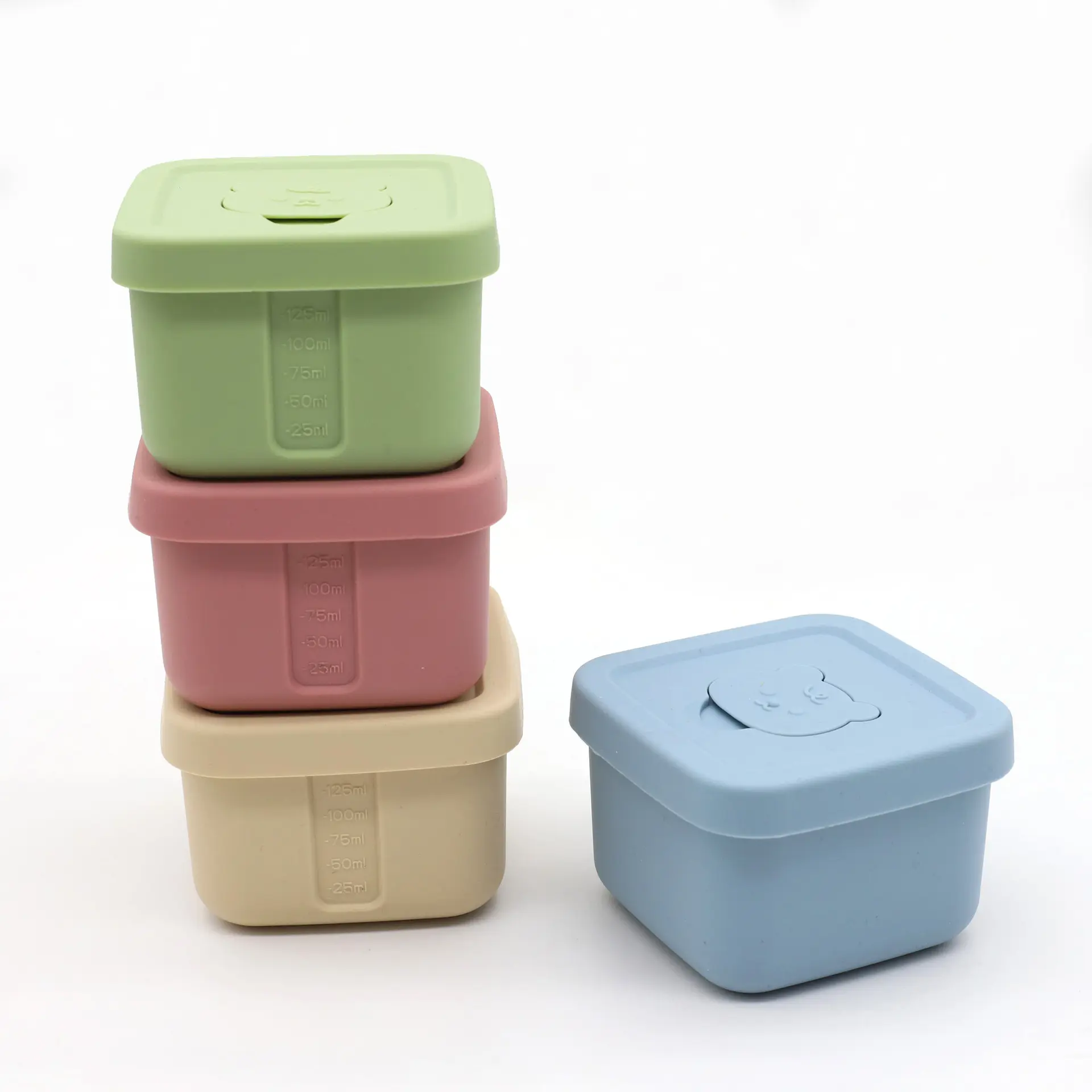
Silicone does not leach chemicals into food, even when heated, making it a safe and stable material for all kinds of cooking and baking.
🚫 When to Avoid Using Silicone
Although silicone is generally safe, there are a few things to keep in mind:
Avoid direct flame contact — silicone is heat resistant but not flameproof.
Don’t use damaged or cracked silicone products.
Always check the manufacturer’s temperature limit before oven use.
🧼 Easy to Clean and Maintain
Silicone cookware is non-stick, meaning food residues are less likely to cling. You can clean it easily with mild soap and warm water, or place it in the dishwasher. For stubborn grease, soak it in warm water with baking soda.
✅ Final Verdict: Is Silicone Safe to Cook With?
Yes — food-grade silicone is safe to cook and bake with. It’s non-toxic, durable, and a great eco-friendly alternative to plastic. Just make sure to choose high-quality, BPA-free silicone from reputable brands or manufacturers.
If you’re looking for reliable custom silicone kitchenware or baby silicone feeding products, choose a certified factory specializing in OEM/ODM silicone production for guaranteed safety and quality.


