Hey, parents! Faced with baby toys scattered all over the house and made of various materials, do you often have a headache about how to properly store silicone toys (teething, soft building blocks, bath toys, etc.)? Improper storage will not only make your beloved toys sticky, moldy, and smelly, but may also affect your baby's health! Don't worry, this easy-to-understand silicone toy storage guide is designed for busy people, and you can use it immediately after reading it!
Silicone material is safe and non-toxic, soft and bite-resistant, and is the first choice for many baby toys. But it has a little "temper":
Hate moisture: Residual moisture is the culprit for mold and deterioration!
Afraid of oil stains: It easily absorbs grease and becomes sticky.
Dislike high temperature and strong light: Direct sunlight or high temperature will accelerate aging, deformation, and fading.
Easy to absorb odors: Kitchen fumes or other odors are easily absorbed by it.
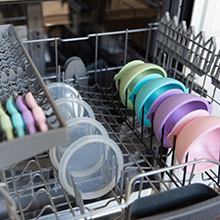
1. Gentle cleaning: Wash with warm water and mild baby dishwashing detergent after each play or at least once a day. Wipe stubborn stains with baking soda paste or white vinegar water (1:1) and rinse.
2. Don't miss the gaps: Toys with holes (especially bath toys!) must be squeezed out of the internal water and clean the gaps with a small brush or cotton swab. Anti-mold key!
3. Absolutely dry: After cleaning, place in a well-ventilated and cool place to dry thoroughly! You can wipe the surface with a clean towel, but the internal moisture must be evaporated by air circulation. Important tips: Make sure the toy is completely dry to the touch and there is no water inside (shake and listen) before you put it away! Check the dryness as carefully as you check whether the refrigerator magnet is firmly attached!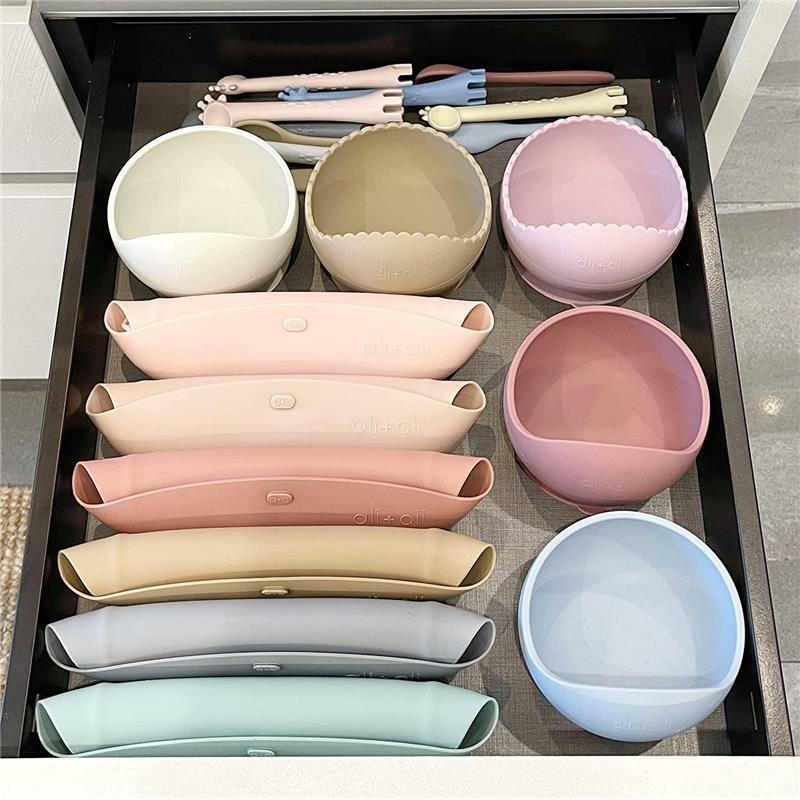
4. Choose a "breathing" storage place: Ventilation is king! Avoid sealed plastic bags, sealed plastic boxes (unless there are vents), and damp bathroom cabinets. Humidity and heat are hotbeds for mold!
Ideal choice: Breathable cotton and linen storage baskets/baskets, mesh storage bags, plastic storage boxes with vents. Allow air to circulate and take away moisture.
5. Store in a cool, dry, and dark place: Away from heat sources: Radiators, heaters, and stoves are all not allowed!
Avoid sunlight: Direct sunlight will make silicone brittle, fade, and accelerate aging. Avoid placing it on windowsills, balconies, or toy racks where the sun can shine.
Best place: Dry, cool, and ventilated cabinets in the home (such as living rooms, bedroom storage cabinets, away from bathrooms and kitchens), drawers, or shelves.
Store it when it's wet! (Mold bomb💣)
Throw it into a sealed plastic bag/airtight box. (Suffocated + moldy)
Pile it under the bathroom or kitchen sink. (Wet and humid area)
Put it on a windowsill or toy rack in direct sunlight for a long time. (Aging and fading quickly)
Put it together with plasticine, crayons, and paints. (Dyeing absorbs odors and is difficult to clean)
Q: Can silicone toys still be used if they are moldy?
A: Strongly not recommended! Mold is difficult to completely remove and may endanger the health of the baby. If mold spots are found (especially inside), it is best to discard them for safety.
Q: Can I use a disinfection cabinet or boil it in boiling water?
A: Be careful! High temperature is the "natural enemy" of silicone. Check the toy instructions. Most silicone toys do not recommend high-temperature steaming or ultraviolet ozone disinfection (which can accelerate aging and deformation). Thorough cleaning + drying is the best "disinfection".
Q: How to clean silicone toys the cleanest?
A: Warm water and mild detergent are the first choice. For stubborn stains, use baking soda paste or diluted white vinegar water. Make sure to rinse thoroughly without any residue!
Q: How to prevent mold in bath toys with holes?
A: Squeeze out the water inside immediately after each use! Soak and clean the inside with white vinegar water regularly, and make sure it is 200% dry before storage. It is more worry-free to choose a one-piece molded style without holes when purchasing.
First aid for "sticky" toys: After thorough cleaning, sprinkle a thin layer of edible baking soda or corn starch. Put it in a breathable bag or box and let it stand for a few days. Shake off the powder, wipe it with a damp cloth and dry it thoroughly. It usually works!
Develop a good habit: Every time your baby finishes playing with silicone toys, rinse them with clean water and put them on a ventilated drain rack, which can greatly reduce the trouble of subsequent cleaning and mold!
Spending a few minutes to properly store silicone toys can not only extend their lifespan and save money, but more importantly, provide a clean and safe playing environment for your baby. Remember the golden rule: clean thoroughly, keep absolutely dry, store in a cool and ventilated place, and avoid light. Check the "residence" of your silicone toys!
Do you think this guide is useful? Share it with your friends who have babies, and raise them scientifically to protect their health!
#SiliconeToyStorage #BabyToyCleaning #ParentingTips #BabySuppliesStorage #NewParents #ToyAntiMold #SiliconeTeeth #BathToys #SafeParenting #MotherandBabyGoods


