When working with silicone molds—whether for crafts, baking tools, or industrial applications—understanding the curing time is essential for achieving the best results. Curing refers to the chemical process where liquid silicone turns into a solid, flexible, and durable material. The curing time can vary depending on the type of silicone, curing conditions, and thickness of the mold. Let’s explore how long silicone molds need to cure and how to ensure they set properly.
🕒 1. Typical Silicone Curing Times
In general, silicone molds take between 18 to 48 hours to cure completely at room temperature (around 20–25°C or 68–77°F).
However, this can vary:
Tin-cure (condensation-cure) silicone: Usually cures in 24–48 hours.
Platinum-cure (addition-cure) silicone: Cures faster, often in 12–24 hours, and results in higher-quality molds.
If you need to speed up the process, you can apply gentle heat. Many silicones cure faster when placed in a warm, ventilated area or an oven set to 40–60°C (104–140°F) for a few hours.
🔬 2. Factors That Affect Curing Time
Several factors influence how long silicone takes to cure:
Temperature and humidity: Warm, dry environments help silicone cure faster. Cold or humid air can slow the reaction.
Mixing ratio: If you’re using a two-part silicone, make sure to mix accurately (usually 1:1 or 10:1). An incorrect ratio can cause incomplete curing.
Layer thickness: Thicker molds take longer to cure because less air reaches the inner layers.
Additives: Pigments, fillers, or thickeners may slightly delay curing.
⚙️ 3. How to Know When Silicone Is Fully Cured
You can test the curing progress by:
Touch test: Lightly press the surface with your finger. If it feels firm and non-sticky, it’s cured.
Smell test: If the silicone still smells like chemicals (especially vinegar-like odor for tin-cure), it likely needs more time.
Flexibility check: Gently bend the mold. It should be strong yet flexible without tearing.
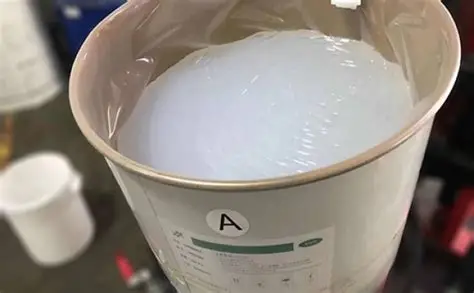
💡 4. Tips for Faster and Better Curing
Keep the workspace clean and dust-free.
Avoid using near moisture or direct sunlight.
For platinum-cure silicone, make sure no sulfur-based clay or latex materials touch the mixture, as these can inhibit curing.
Allow a full 24–48 hours before demolding to prevent deformation.
🧩 5. Applications After Curing
Once fully cured, silicone molds are:
Safe for food use (if made with food-grade silicone).
Heat resistant, ideal for baking or resin casting.
Durable and flexible, lasting through many uses.
Proper curing ensures the mold’s longevity, safety, and performance, making it perfect for creating candles, soaps, resin crafts, or silicone kitchenware.
✅ Conclusion
So, how long does a silicone mold need to cure?
Typically 24 to 48 hours at room temperature, though heat and environmental factors can shorten or extend this time. Patience is key—rushing the curing process can result in a sticky or weak mold. Let your silicone fully set to achieve the best durability and smooth finish.
If you’re looking for a reliable silicone factory for custom or bulk production, Kangde Silicone provides OEM/ODM one-stop solutions, from mold design to finished product delivery.


