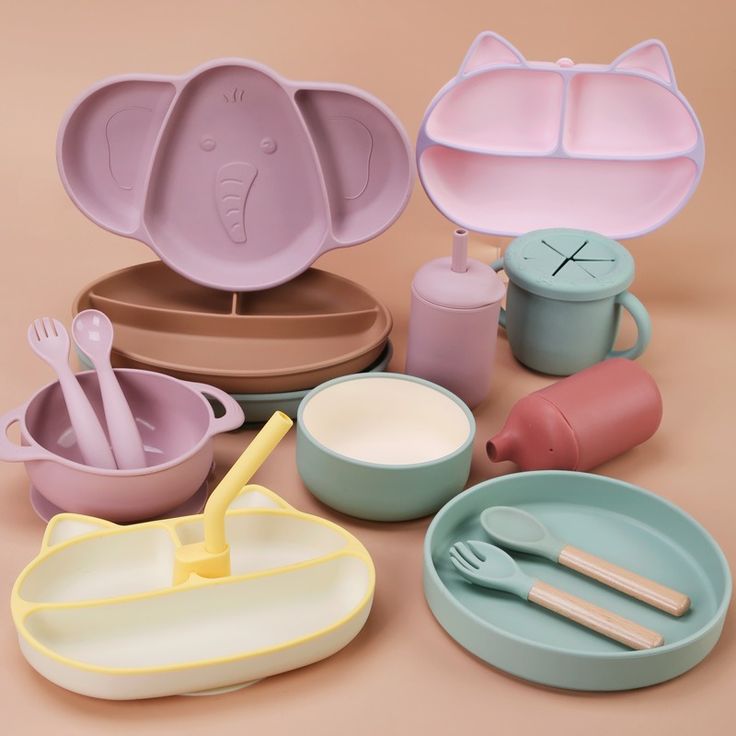
Yes, silicone should be disposed of in your regular household garbage. While silicone is technically a recyclable material, it is not accepted by standard municipal curbside recycling programs. Because it requires specialized industrial facilities to break down, your local waste management system treats it as "non-recyclable" waste.
The good news? Unlike plastic, silicone is highly stable. It won't break down into microplastics or leach toxic chemicals into the soil or groundwater while it sits in a landfill, making it a much safer long-term choice for the environment.
To understand why your local recycling bin isn't the right place for silicone, you have to look at its durability. Silicone is a synthetic rubber made from silicon (derived from sand), carbon, hydrogen, and oxygen.
Extreme Heat Resistance: Most plastic recycling involves melting the material down. Silicone is designed to withstand temperatures up to 230°C (446°F), meaning standard recycling machines simply cannot process it.
Downcycling: When silicone is recycled, it is usually ground up and "downcycled" into industrial lubricants, playground mulch, or athletic tracks—processes that require specialized equipment not found in most cities.
Since silicone goes in the garbage, the best way to be eco-friendly is to buy products that last a decade instead of a month. Investing in high-quality, 100% food-grade silicone reduces the frequency of disposal and ensures your household items remain safe and functional for years.
We specialize in a wide range of consumer-focused silicone solutions, including:
1. Is silicone biodegradable?
No. Silicone is an inorganic polymer. It will not rot or biodegrade over time. This is why it is preferred for products that need to stay hygienic and durable, like baby teethers or kitchen tools.
2. Is burning silicone safe?
You should never burn silicone at home. However, in industrial waste-to-energy plants, silicone can be incinerated safely. It converts back into its original components: silica (sand), $CO_2$, and water vapor, without releasing the toxic fumes common with plastic.
3. How can I tell if my silicone is high-quality?
Perform the "Pinch Test." Squeeze and twist a bit of the silicone. If the color stays the same, it’s 100% pure silicone. If you see white showing through, the product contains cheap chemical fillers that may degrade or leach. Kangde products are made from 100% high-purity silicone.
4. Are there any mail-in recycling options?
Yes. Companies like TerraCycle offer specialized "Zero Waste" boxes for silicone. Some high-end brands also offer "take-back" programs where you can mail in old products to be professionally recycled.