No, a 3-month-old should not use a rock-hard frozen teether. While babies can start showing early signs of teething around 3 months, pediatric experts—including the American Academy of Pediatrics (AAP)—strongly advise against giving them completely frozen teethers. Frozen objects are too hard for a 3-month-old's delicate gums and can cause frostbite-like tissue damage or bruising. Instead, a refrigerated (chilled) teether is the safest and most effective way to soothe their gums.
When your 3-month-old starts drooling excessively and chewing on their fists, it’s natural to want to reach for the coldest thing in the freezer to numb their discomfort. However, at 3 months old, a baby's oral tissue is incredibly sensitive.
Extreme cold can actually bond to the delicate skin inside a baby's mouth, causing localized frostbite, redness, and severe irritation.
Freezing a liquid-filled or gel-filled teether turns it into a solid, unyielding rock. If a 3-month-old bangs a rock-hard frozen toy against their swollen gums, it can cause bruising and increase their pain rather than relieving it.
Many teethers are filled with water or a specific gel. Freezing causes these liquids to expand, which can crack the plastic shell. Once it thaws, the fluid can leak into your baby's mouth, posing a chemical or choking hazard.
To help you make the safest choice for your little one, here is a quick breakdown of how different teether temperatures and types stack up for a 3-month-old:
| Teether Type / Temp | Is it Safe for a 3-Month-Old? | Pros | Cons / Risks |
| Frozen Teether | ❌ No | None (too risky for this age). | Frostbite, gum bruising, teether cracking/leaking. |
| Refrigerated (Chilled) Teether | Yes (Best Choice) | Safely numbs the gums; reduces inflammation without freezing tissue. | Loses its coolness relatively quickly. |
| Room Temperature Silicone/Rubber | Yes | Easy for a 3-month-old to grasp; zero risk of temperature injury. | Doesn't provide the "numbing" effect of a cold teether. |
| Frozen Food Pouches / Fruit Snacks | ❌ No | None at this stage. | Choking hazard. 3-month-olds cannot handle solid foods or thick textures yet. |
If your 3-month-old is fussy and chomping on everything, try these expert-approved alternatives:
The Chilled Washcloth: Take a clean, soft washcloth, wet it, wring it out, and place it in the refrigerator for 15–30 minutes. The texture of the cloth combined with the cool temperature feels amazing on sore gums.
Refrigerated Solid Rubber or Silicone Rings: Look for teethers made of 100% medical-grade silicone that are solid (not liquid-filled). Put them in the fridge to cool down.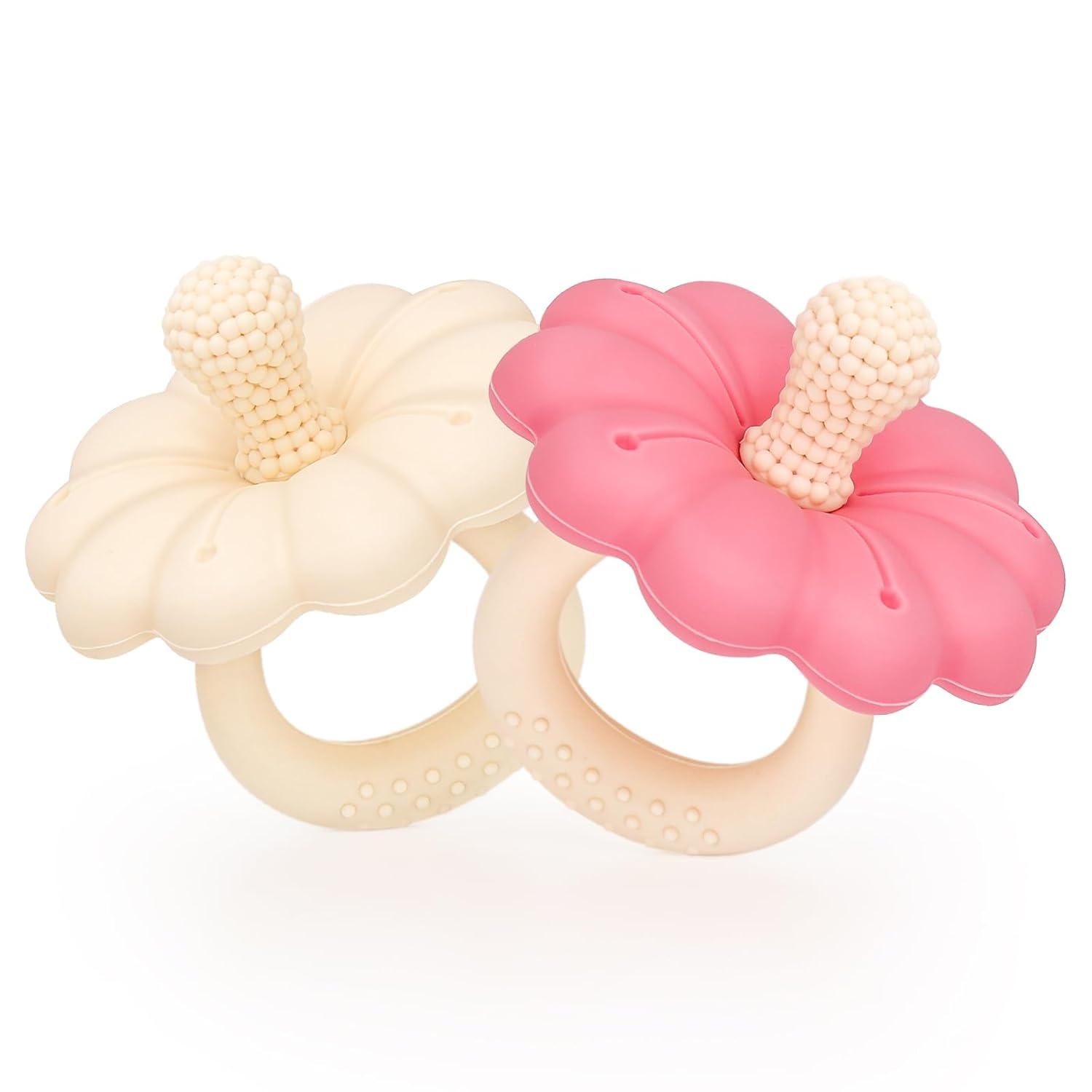
A Clean Finger: Sometimes, the best tool is your own hand. Wash your hands thoroughly and gently massage your baby's gums with your index finger. The light pressure helps counteract the pressure of the teeth pushing up.
⚠️ A Note on Teething Tablets and Gels: The FDA and AAP strongly warn against using homeopathic teething tablets, benzocaine gels, or amber teething necklaces. Gels can wash away too quickly or cause breathing issues, and necklaces pose a strict strangulation and choking risk.
Generally, you should skip frozen teethers entirely and stick to chilled ones throughout infancy. However, as babies get older (around 6+ months) and start solids, some parents use mesh feeders with frozen fruit purées under strict supervision. For standard teething toys, the refrigerator is always safer than the freezer.
At 3 months, babies enter the "oral stage" where they explore the world using their mouths. They will drool more as their salivary glands mature. True teething usually includes swollen gums, low-grade irritability, and a desire to bite down hard on objects. If they have a high fever, diarrhea, or a rash, it is likely a virus, not teething—consult your pediatrician.
About 15 to 30 minutes is usually long enough to get it perfectly cool. Avoid leaving liquid-filled teethers in the fridge indefinitely, as extreme cold over long periods can still degrade certain plastics.
If your baby is visibly uncomfortable and unable to sleep, consult your pediatrician first. Acetaminophen (Tylenol) can be safe for 3-month-olds, but the dosage must be precisely based on their current weight, not their age.


